Croatia: How 2025 Tax Reforms Change the Cost of Living
Fall for Croatia’s daily rhythms, then budget for 2025 tax reforms: transfer tax/VAT, municipality-set annual property tax (€0.60–€8/m²) and residency rules.
 Blueprintera
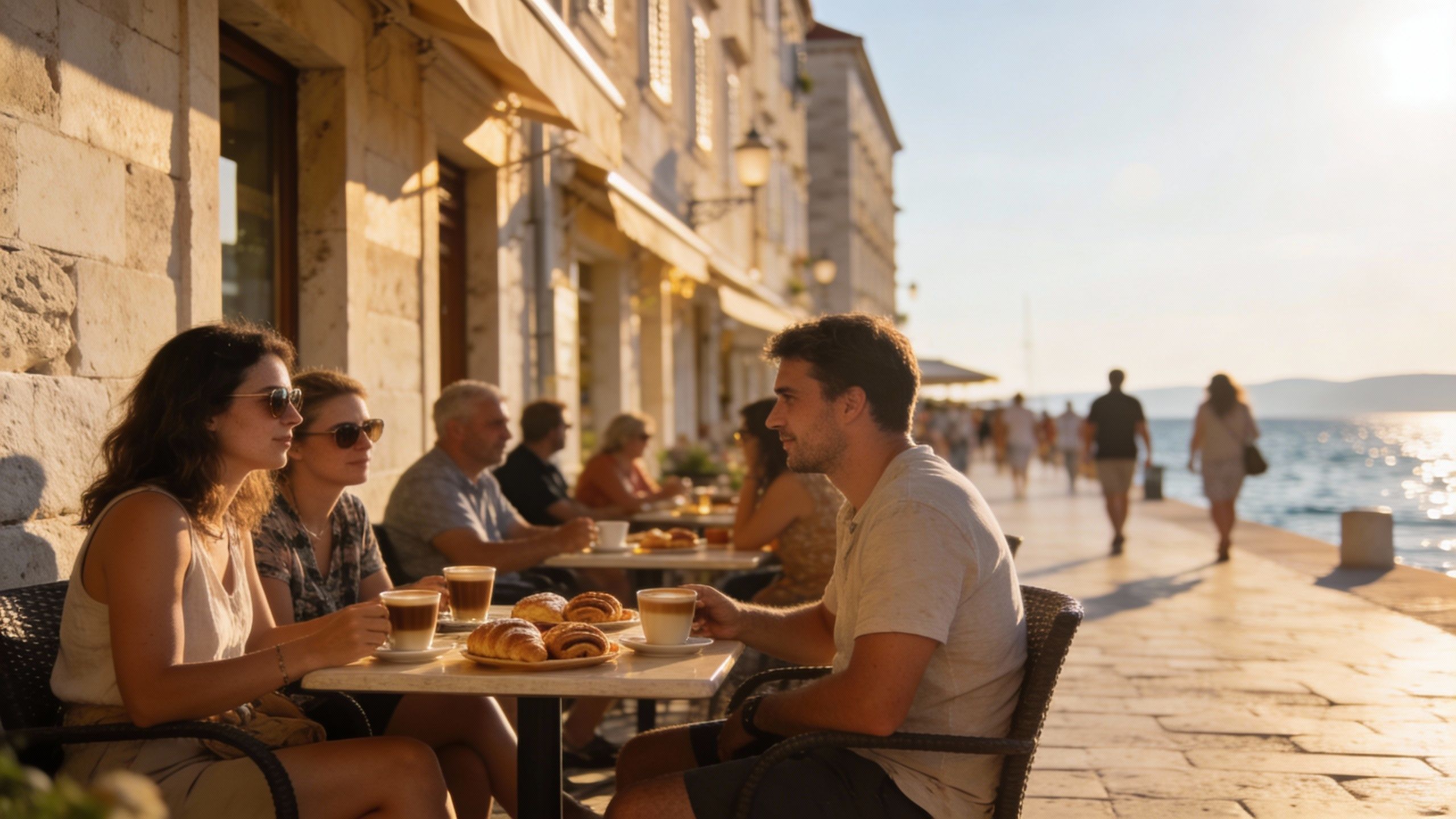
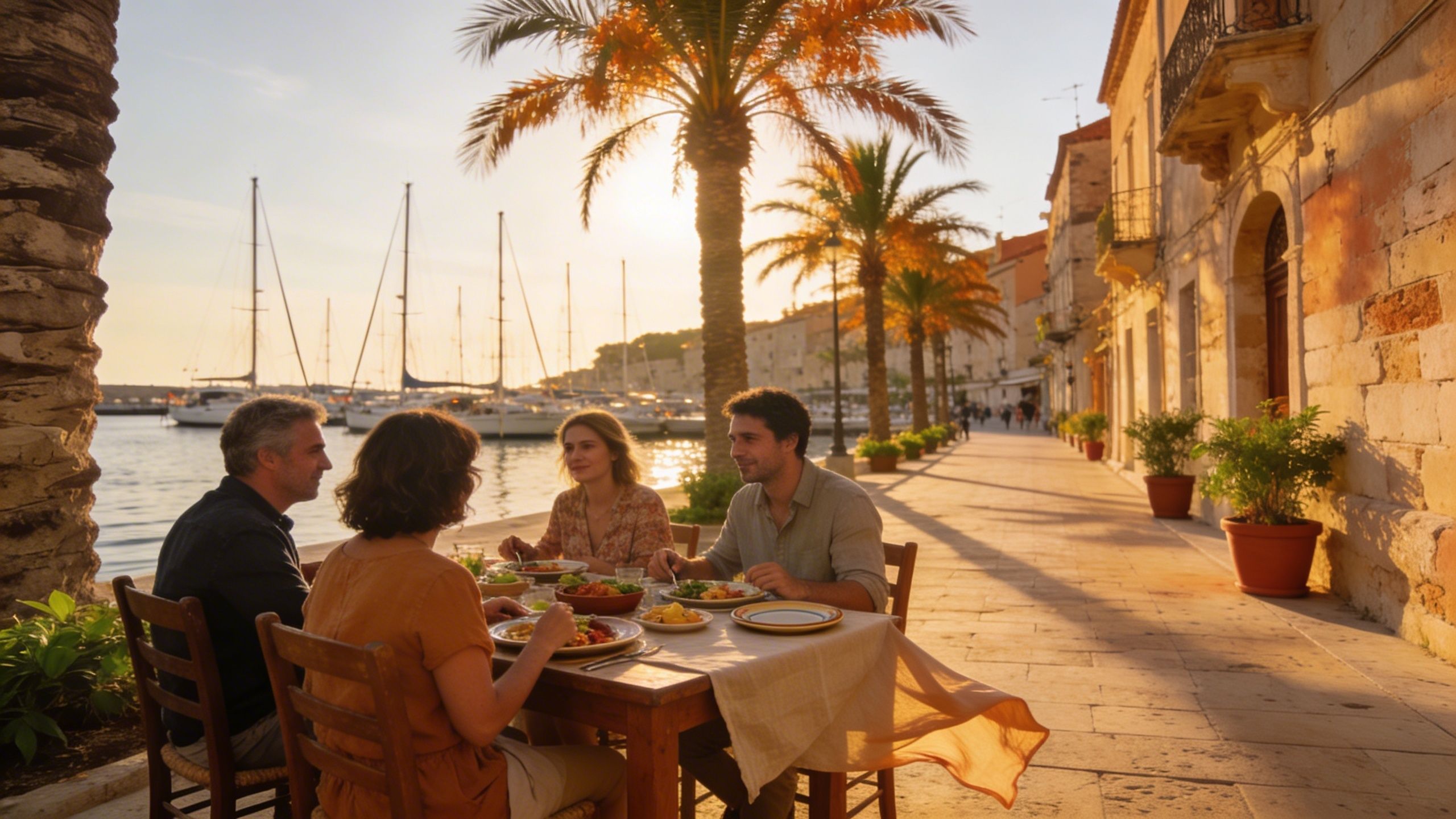
Imagine sipping a late-morning espresso on Split’s Riva, then walking five minutes to inspect a sunlit stone apartment with shuttered windows and salt-scented air. That feeling — casual, coastal, human-scale — is why people move to Croatia. But the paperwork, local taxes and municipal quirks that follow can dilute the romance fast. This guide pairs the everyday pleasures of Croatian life with the tax and regulatory facts international buyers need to make that Riva-related dream practical and durable.
Living the Croatia lifestyle
Croatia moves at Mediterranean rhythm: mornings at bakeries, afternoons on pebble beaches, evenings in piazzas where locals debate football and politics over small plates. Cities like Zagreb feel continental and year-round, while Dalmatian towns — Split, Dubrovnik, Trogir — pulse with seasonal tourism that shapes rental demand and local services. For buyers this means a lifestyle trade-off: coastal summers bring energy and income potential, while inland winters offer calmer communities and lower day-to-day costs. Knowing when and where that rhythm matches your life is as important as understanding tax codes and municipal rates.
Neighborhood snapshot: Split’s Veli Varoš and Zagreb’s Maksimir
Veli Varoš, a steep grid of limestone lanes below the Diocletian walls, is lived-in and neighbourly: local konobas, morning fishermen, and narrow terraces where you’ll quickly learn the barista’s name. Contrast that with Maksimir in Zagreb — broad tree-lined streets, family cafés and late-afternoon park life — where you swap sea views for calm community living and easier year‑round services. Each area suggests different property types: small stone flats in Varoš that suit seasonal hosts, and larger apartments or townhouses near Maksimir geared to permanent residents.
Food, festivals and weekday rhythms
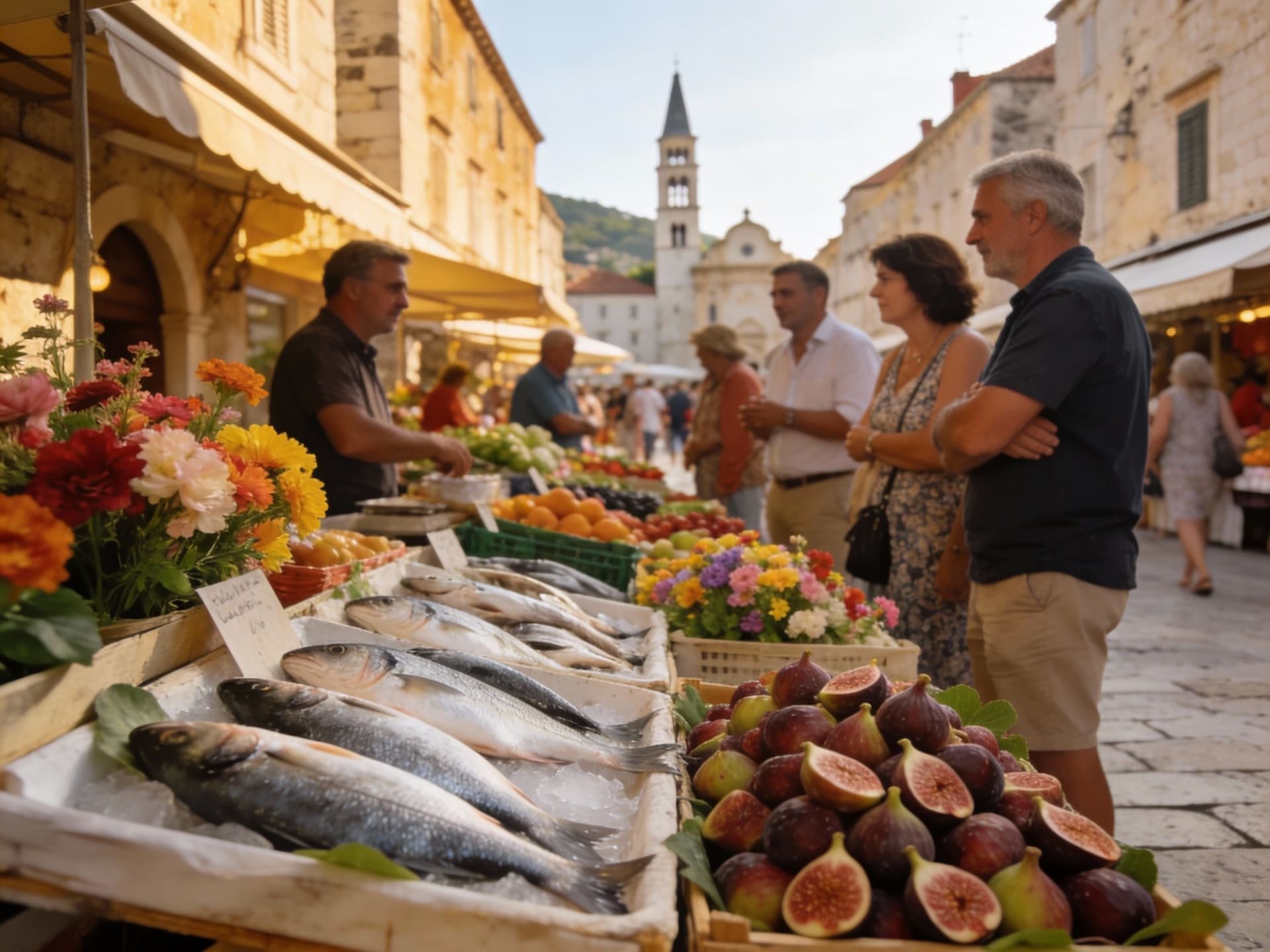
Markets shape life: Dolac in Zagreb and Pazar in Split mark the week with fresh fish, figs, and household gossip. Summer festivals — from ultra‑local klapa singing to internationally attended music events — create short spikes in demand for rentals and hospitality services. If you plan to rent seasonally, expect strong June–September occupancy; if you want steadier income, target long-term rentals in university or business hubs. The way a neighborhood breathes across seasons should influence whether you buy for life or income.
- Lifestyle highlights • Morning markets: Dolac (Zagreb), Pazar (Split) • Coastal walks: Split Riva, Rovinj old town promenade • Quiet island life: Vis coves and local vineyards • Food scenes: konoba seafood in Dalmatia, Zagreb bistro culture • Seasonal festivals: Ultra, Outlook, small-town saint days
Making the move: practical considerations
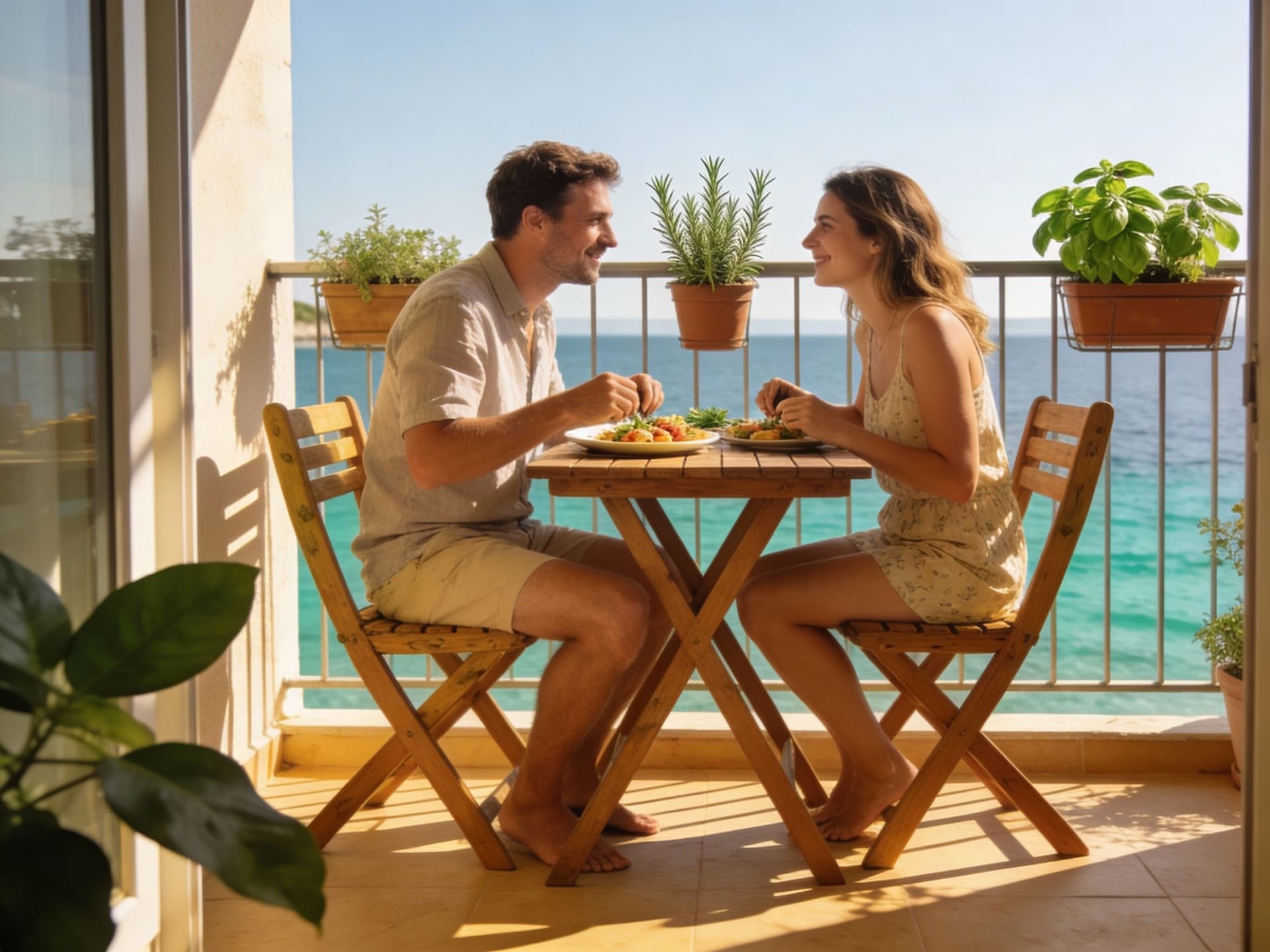
Dreaming about daily life is crucial, but the rules you’ll encounter once you decide to buy are equally decisive. Croatia’s tax structure changed in 2025: transfer tax, VAT on new builds, and a new annual property tax set by municipalities all affect cashflow and holding costs. Residency rules differ for EU and non‑EU nationals and may require ministry approval for non‑reciprocal-country buyers. Understand these items early so you can compare true ownership costs across neighborhoods rather than relying on headline prices alone.
Property types and how they map to lifestyle
Stone apartments in Old Towns offer compact, atmospheric living but often require careful attention to insulation, stairs and maintenance — perfect for buyers prioritising character and proximity to cafes. New-build coastal developments have modern amenities and higher VAT exposure (25%) on first-time sales, which affects upfront costs. If you want predictable year‑round living, choose inland suburbs or city districts with stable services; for seasonal income, seaside towns with short-term rental infrastructure make more sense.
Working with local experts who know both life and law
A good local agent will introduce you to streets, not just listings: take you for coffee in the neighborhood, show morning markets and the practicalities of laundry, parking and winter heating. Legal counsel should verify land register entries, coastal restrictions (the maritime domain), and whether the seller’s title covers terraces or shared access. When you combine a lifestyle-minded agent with a transaction-focused lawyer, you avoid romantic purchases that later become logistical headaches.
- Practical steps to align lifestyle with costs 1. Map desired daily routines (cafés, market, beach) and shortlist three neighbourhoods. 2. Check municipal property tax rates for each municipality (rates vary €0.60–€8.00/m²). 3. Confirm transfer tax vs VAT exposure (resale 3% transfer tax; new builds generally 25% VAT). 4. Speak with a notary/lawyer about maritime domain, land register mismatches and, for non‑EU buyers, ministry approvals. 5. Model holding costs: property tax, utility fees, insurance, and short‑term rental seasonality.
Insider knowledge: what expats wish they’d known
Expat veterans tell a similar story: loving the food and neighbourhood life but underestimating recurring costs and timing. The 2025 reform introduced annual property taxes that municipalities set, so two seemingly identical apartments in different towns can carry very different annual bills. Another common surprise is coastal access: you can buy terrace-facing homes, but true beachfront plots are usually public maritime domain and can’t be privately owned. These shocks are avoidable with a local checklist and a couple of conversations before signing.
Cultural integration, language and everyday life
Croatian is the language of daily rhythms, but in tourist hubs you’ll get by with English and a few Croatian phrases. Learning basic greetings and market vocabulary opens doors — shopkeepers and neighbours respond differently to the effort. Participation in local events, volunteering at a festival or enrolling in a short language course accelerates belonging more than any design renovation. For many buyers, the social payback is why a small apartment in a tight-knit hamlet outshines a larger property in an anonymous complex.
Long-term view: growth, regulation and sustainability
Croatia’s EU membership and steady tourism growth make coastal property attractive, but regulation and municipal tax choices will shape returns more than headline price growth. Expect municipalities to use property tax levers to encourage long-term rentals and discourage speculative vacancy — a policy that can stabilise communities but also affect short‑term rental strategies. If you plan to hold for lifestyle rather than quick gains, prioritise neighbourhoods with civic services, schools and year‑round economies rather than purely tourist strips.
- Red flags and quick checks before you bid • Unclear land registry entries or mismatched cadastre records. • Claims of 'private beach' frontage — check maritime domain rules. • Municipal property tax not disclosed in offer documents. • Seller insists on cash-only or rushed closing; insist on notarised process. • Promises of guaranteed short‑term rental income without evidence.
Conclusion: live the life, but buy with clarity. Picture slow mornings at a Dalmatian kafic and sunlit meals on a terrace — then add a clear spreadsheet with transfer tax, municipal annual tax, VAT exposure and residency steps. Work with an agent who knows streets, not just comps, and a lawyer who reads the registry line-by-line. Those are the small choices that turn a romantic impulse into a sustainable Croatian life.
BlueprinteraSwedish strategist who relocated to Marbella in 2018. Specializes in legal navigation and tax planning for Scandinavian buyers.
Related Articles
More insights that might interest you
 Villa Curated
 Villa Curated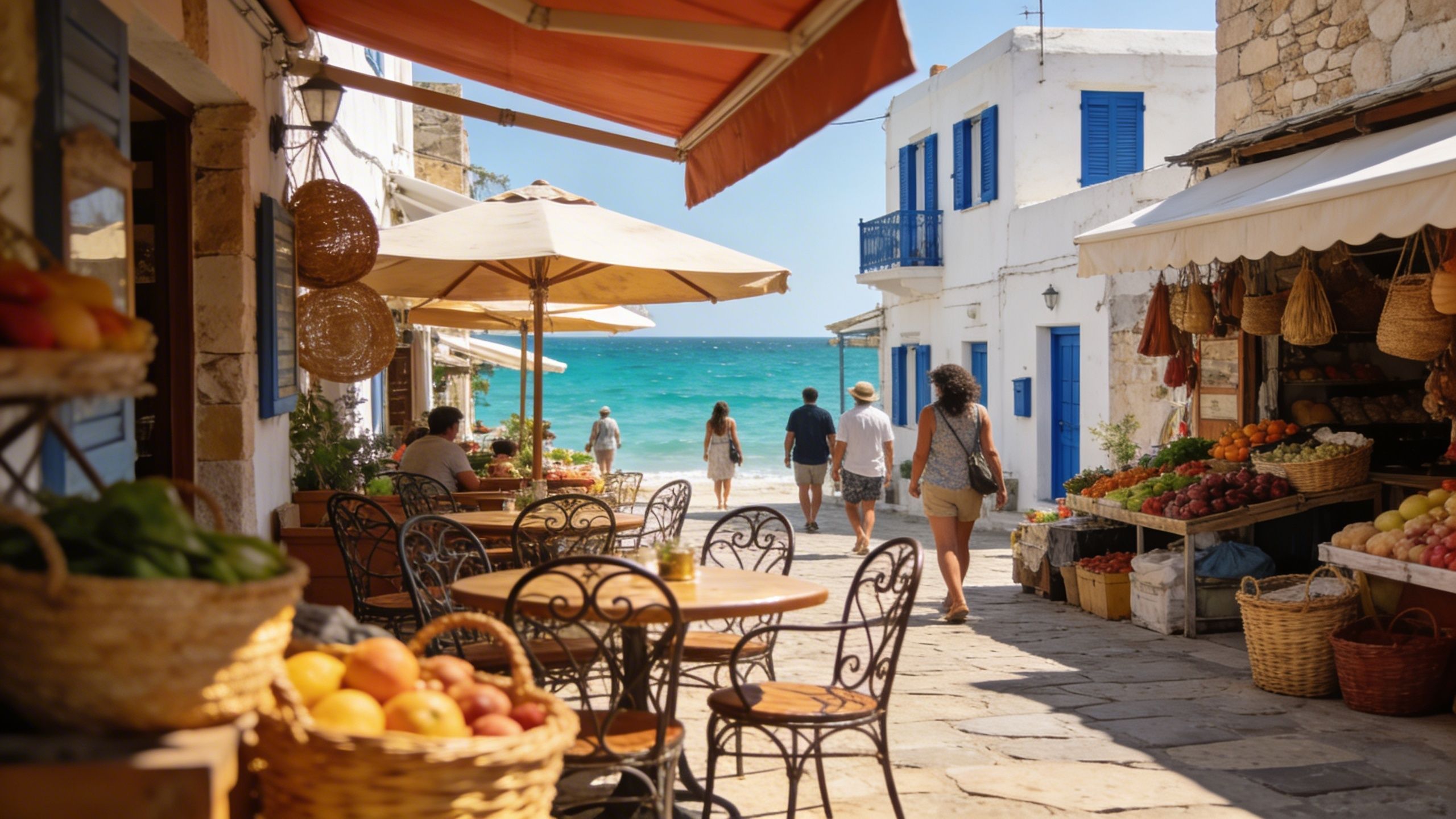
 The Yieldist

