
Seasonal Financing Edge: Why Winter Pays in France
Season and paperwork matter as much as price. Learn why timing, notary costs and lender expectations reshape international purchases in France.
 Villa Curated
Imagine arriving in a small boulangerie on a grey, crystalline January morning in Aix‑en‑Provence, the first croissants still warm. You listen to local conversation—plans for the marché, a renovation, a mortgage appointment—and it becomes clear: timing and financing shape not only the cost of a French house but the life you can build inside it. This is a practical, lifestyle‑first look at financing in France—where season, local bureaucracy and a well‑chosen advisor change the story from transactional to domestic.
Living French Life—and How Finance Enters the Room
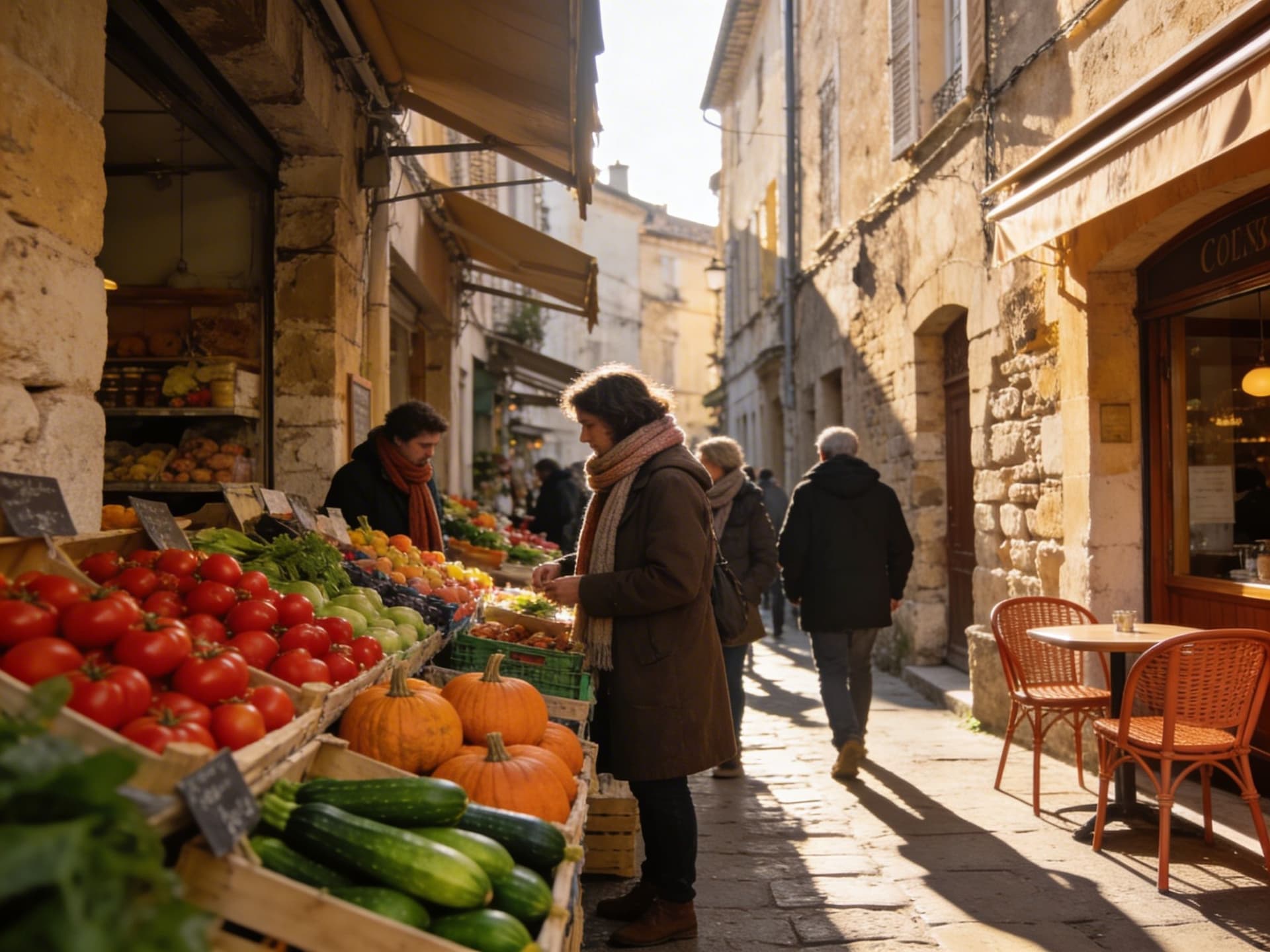
France is lived at human scale: morning markets on rue des Rosiers in Lyon, slow lunches on Place Gambetta in Bordeaux, and aperitifs on terraced promenades along the Côte d'Azur. These daily rituals determine the types of homes people prize—compact Haussmann apartments with light wells, stone longères with vegetable gardens, or Provençal townhouses with shaded courtyards. For an international buyer, the choice of finance—loan term, currency, and timing—will either preserve that lifestyle or erode it under unforeseen cost.
Neighborhoods that define ways of living
Paris’s 6th and 7th arrondissements offer quiet mornings, literary cafés and proximity to museums; Arcachon’s Ville d’Hiver promises dune walks and maritime light; Aix‑en‑Provence trades urbanity for provincial rhythm and weekly markets. Each rhythm implies different financing habits—shorter commutes and smaller footprints in Paris favour higher loan‑to‑value ratios and shorter maturities; rural properties need allowance for renovation and often higher contingency cash.
Food, season and the property calendar
Market mornings at Marché d'Aligre (Paris), oyster dinners in Cap Ferret, truffle hunting season in Périgord—seasonality governs availability, viewings and sellers' readiness. Winter months often bring motivated sellers; summer can inflate offers as holidaymakers fall for sunlit facades. Understanding seasonal life helps you time financing to have pre‑approved offers ready when the right property appears.
Making the Move: Practical Financing Considerations in France

French buying costs are often misunderstood. Beyond price, there are acquisition taxes and regulated notary emoluments—commonly called “frais de notaire”—which for older properties typically sit around 7–8%, while new builds are closer to 2–3%. Recent regulation allows some departments to raise transfer tax components; account for this when calculating total funding needs. Knowing these lines in the budget turns a romantic purchase into a sound one.
What banks look for in a non‑resident borrower
French banks place weight on demonstrable, stable income, a healthy deposit (commonly 20–30% for non‑residents), and prudent debt‑service ratios. Lenders also consider currency risk: loans in euros remove exchange volatility for euro‑income buyers, while foreign‑currency loans introduce hedging needs. An adviser who understands both your domestic banking habits and French underwriting nuances is indispensable.
Steps to prepare financing before you bid: 1) Secure a mortgage pre‑approval or comfort letter from a French lender; 2) Budget an extra 7–8% (or 2–3% for new builds) for notary and transfer taxes; 3) Decide currency and consider a forward contract if your income is not in euros; 4) Arrange proof of funds for deposits and any renovations.
Insider Knowledge: Myths, Red Flags and Little Advantages
A few hard‑won truths from buyers who made the passage: the most photogenic village is not always the soundest investment; sellers’ stated flexibility on closing is often window dressing; and, contrary to expectation, winter viewings can secure better negotiating leverage and faster lender turnaround. These are not abstract points—they determine the interest rate you pay and the months of paperwork you endure.
Red flags when arranging finance
Unclear title history; sellers unwilling to provide diagnostics (diagnostic technique immobilière); lenders asking for unusually high insurance without explanation; pressure to accept a bridge loan without full cost disclosure—each can add cost or legal exposure. Bring a French notary and an independent surveyor into early conversations.
Smart tactics that preserve lifestyle and capital
Practical moves that protect both life and balance sheet: 1) Time your offer for low tourist season to avoid bidding wars; 2) Negotiate a clause allowing for lender withdrawal if mortgage offer is delayed beyond a fixed window; 3) Keep renovation contingency (typically 10–15%) within your mortgage plan or as bridge capital; 4) Use a French‑language summary of any mortgage offer so terms are unambiguous.
Cultural realities that affect finance
French transactional culture values paperwork and patience. Notaries act as impartial gatekeepers; they will not move faster for charm alone. Expect deliberate schedules—survey reports and title searches take time—and plan your temporary life (rental, storage, renovations) accordingly. This mannered pace, when respected, preserves the provenance and long‑term value of the home you buy.
Conclusion: finance is the frame around a life in France. If you begin with an image—a Sunday marché, a study with tall windows—allow the numbers to protect that image. Start with pre‑approval, budget the notary and transfer taxes referenced by official guidance, and hire local expertise that knows both the street and the statute. The result is not merely a purchase, but a home that sustains the life you imagined.
Villa CuratedHaving moved from Stockholm to Marbella in 2018, I help Scandinavian buyers navigate Spanish property law, restoration quality, and value through authentic provenance.
Related Articles
More insights that might interest you
 Villa Curated
 The Yieldist
 The Yieldist


