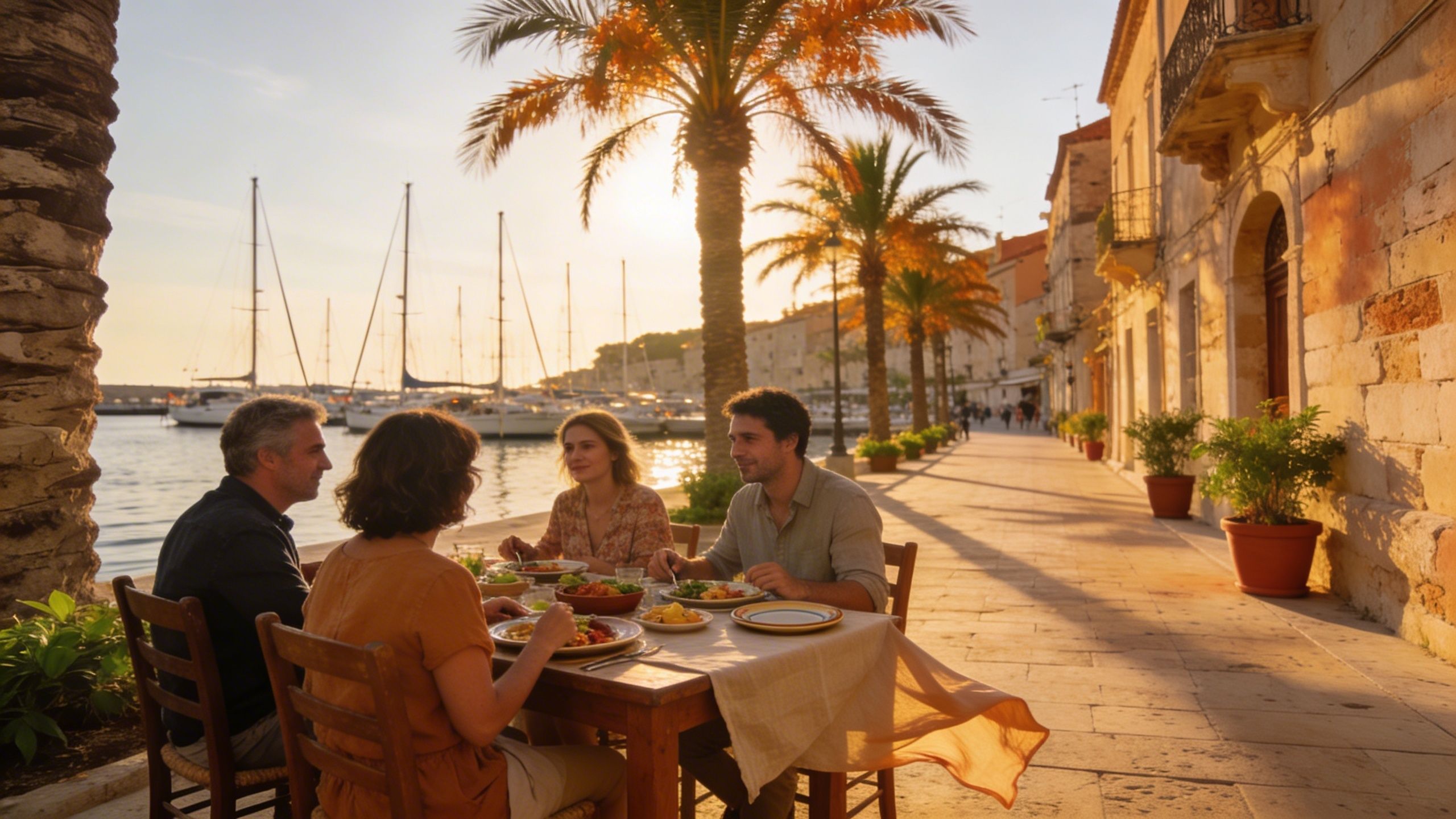
Buy in Autumn: Malta’s Quiet Window for Savvy Buyers
Autumn viewings on Malta reveal true neighbourhood life and negotiating leverage: quieter streets, better inspections, and clearer stewardship choices backed by NSO price data.
 Villa Curated
Imagine an October morning in Valletta: the city’s limestone facades warmed by low-angled sun, a single espresso steaming at Caffè Cordina, and the quay deserted enough to hear gulls and distant church bells. This hush — the island between high tourist seasons — is where I learned to house‑hunt in Malta. It is quieter, negotiations feel less pressured, and the rhythm of life reveals what a neighbourhood will be for twelve months, not just for a postcard-perfect July.
Living Maltese Days: Light, Limestone and Slow Cafés
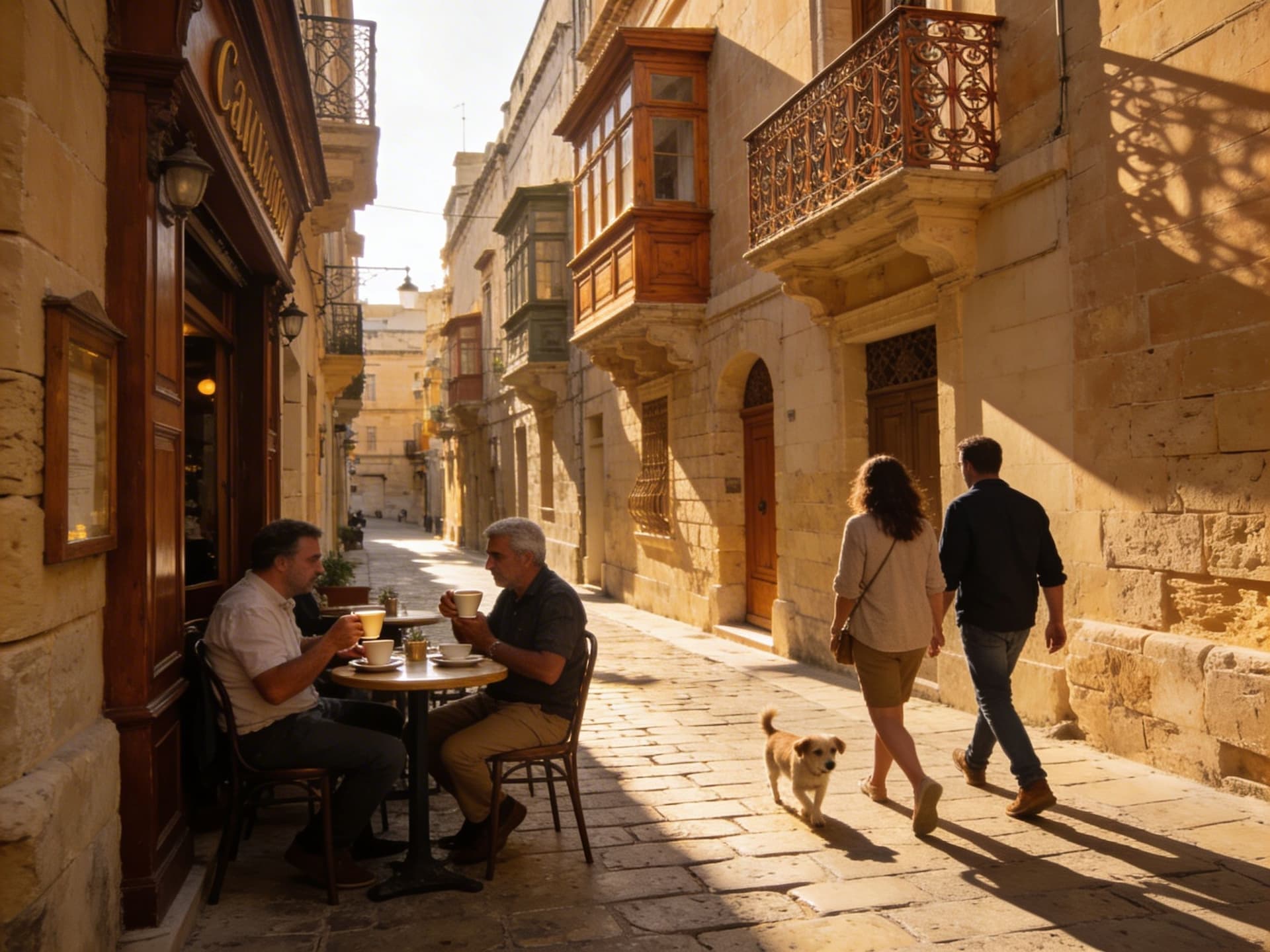
Malta is compact and intense: narrow baroque streets that open suddenly to harbours, terraced roofs with drying laundry, and neighborhoods that change character block by block. Daily life favours conviviality — a morning coffee in Sliema, a late afternoon passeggiata in Mdina, a family dinner of lampuki pie after the fish market on Marsaxlokk pier. For buyers, this means that a short walk determines so much of everyday pleasure: proximity to a market, a quiet piazza or a harbour-facing promenade matters far more than larger gardens found farther inland.
Valletta & The Three Cities — urban provenance and cultured rhythms
Valletta offers a life of architectural conversation: carved doorways, painted balconies, and discreet palazzini restored into considered apartments. Cross the Grand Harbour to Birgu (Vittoriosa) and Senglea for quieter harbourside living where shipwrights’ history sits beside new galleries. These areas suit someone who values provenance, walkability and a domestic scale of cultural life — theatre weeks, small concerts, and neighbourhood trattorias where proprietors know your order.
Sliema, St Julian’s & the Northern Seaboard — social life and convenience
Sliema and St Julian’s trade on convenience: modern apartment blocks, cosmopolitan cafés, and choice restaurants. They are the island’s most visible expat clusters and best for those who prioritise international schools, co‑working cafés and regular ferry links. Yet the lively commercial streets can be noisy; seek streets one block inland for calm terraces and more authentic morning life.
- Lifestyle highlights: Valletta theatres, Mdina’s dusk walks, Marsaxlokk fish market, Blue Grotto coastal day trips, Paceville for late nights (visit sparingly), and quiet cafés on Triq it‑Torri in Sliema.
Making the Move: Timing, Market Reality and Autumn Advantage
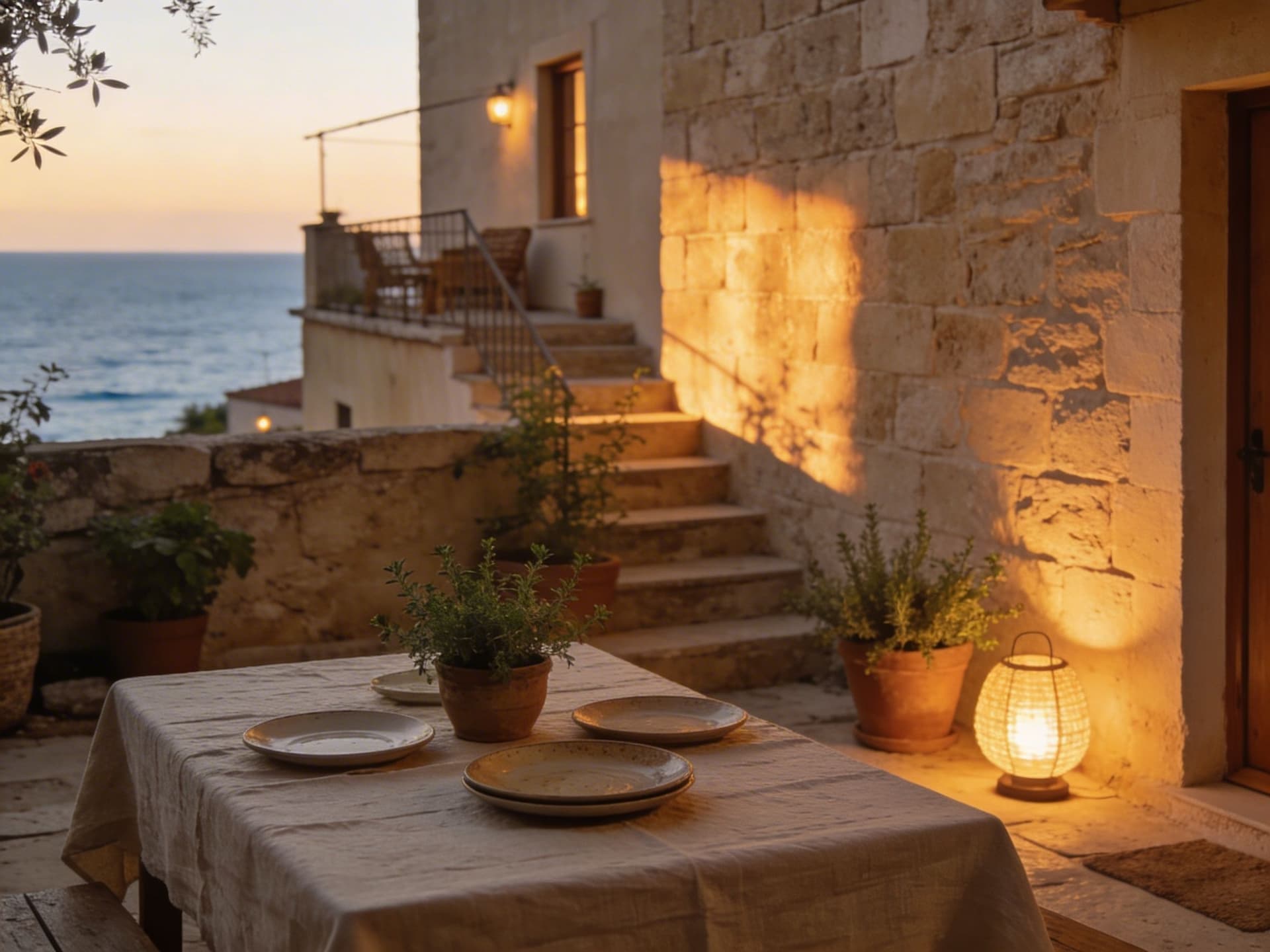
The data is clear: prices have been rising — the National Statistics Office reported a year‑on‑year RPPI increase in 2024, and local commentary notes strains on affordability as demand concentrates in central locations. That pressure creates a window: autumn and early winter are when viewings calm and sellers who rely on summer interest reassess price assumptions. For an international buyer, that quieter cadence reveals true maintenance needs, disclosure gaps and real neighbourly life.
Property types: maisonettes, apartments and houses of character
Most foreign buyers encounter apartments and maisonettes; historic 'houses of character' remain prized but rarer. Apartments deliver immediate convenience and rental flexibility, while maisonettes and restored townhouses offer outdoor rooms, internal courtyards and more scope for considered restoration — important if you value craft and provenance. Inspect how original features — Maltese limestone, timber balconies, traditional floor tiles — have been conserved; their presence often accounts for long‑term value rather than short‑term glamour.
- How to use autumn viewings to your advantage
1. Arrange multiple viewings at different times of day to assess sunlight and street noise. 2. Commission a structural inspection before formal offer deadlines. 3. Ask for energy and water bills to understand operating costs across seasons. 4. Meet neighbours — quieter months make conversations easier and more candid. 5. Use a local agent with conservation knowledge if the property lies within an Urban Conservation Area.
Insider Knowledge: What Expats Wish They’d Known
Many expats arrive enchanted by the light and sea, then discover practical rhythms matter: deliveries move slowly, summer crowds alter service patterns, and conservation rules limit exterior changes. Those who persist recommend building local routines — a favoured baker in the morning, a neighbourhood barber, a parish community event — which transform a property into a home. Practically, expect a purchase process where registered agents, the Housing Authority and notaries all play precise roles; local advice reduces unforeseen costs and the temptation to chase headline locations.
Cultural integration and daily life
English is widely spoken, and Maltese social life is frank and hospitable. Embrace local rhythms: evening family meals, festa calendars, and market mornings. Building relationships with local craftsmen — stonemasons, joiners, tile specialists — is essential when restoring lime plaster or repairing traditional wooden balconies; their knowledge is part of the architectural inheritance you will steward.
Long-term considerations: stewardship, rental use and neighbourhood trajectories
Think beyond immediate delight. Areas that feel lively in high season may present maintenance burdens and turnover that erodes neighbourly cohesion; quieter inland localities often show steadier long‑term value. If you plan rental use, study local licensing rules carefully and temper expectations: neighbourhood character and conservation status often restrict short‑term letting more than central marketing suggests. Use official price indices and local reporting to set realistic offers and to time purchase steps.
- Practical checklist before you offer: energy/water bills, recent planning permissions, conservation area status, clear title search, local contractor references, and a season‑aware inspection.
Conclusion: Autumn is not a trick — it is a strategy. It gives time to listen, to see how a neighbourhood breathes through rain and chill, and to judge whether a home will serve not only summer fantasies but a full, textured life. Work with an agent who knows the island’s seasons, heritage rules and the craftsmen who repair its soul. If you prefer slow mornings, hand‑stitched restoration and a neighbourhood that remembers names, then consider visiting in October or November before making an offer.
Villa CuratedHaving moved from Stockholm to Marbella in 2018, I help Scandinavian buyers navigate Spanish property law, restoration quality, and value through authentic provenance.
Related Articles
More insights that might interest you
 Villa Curated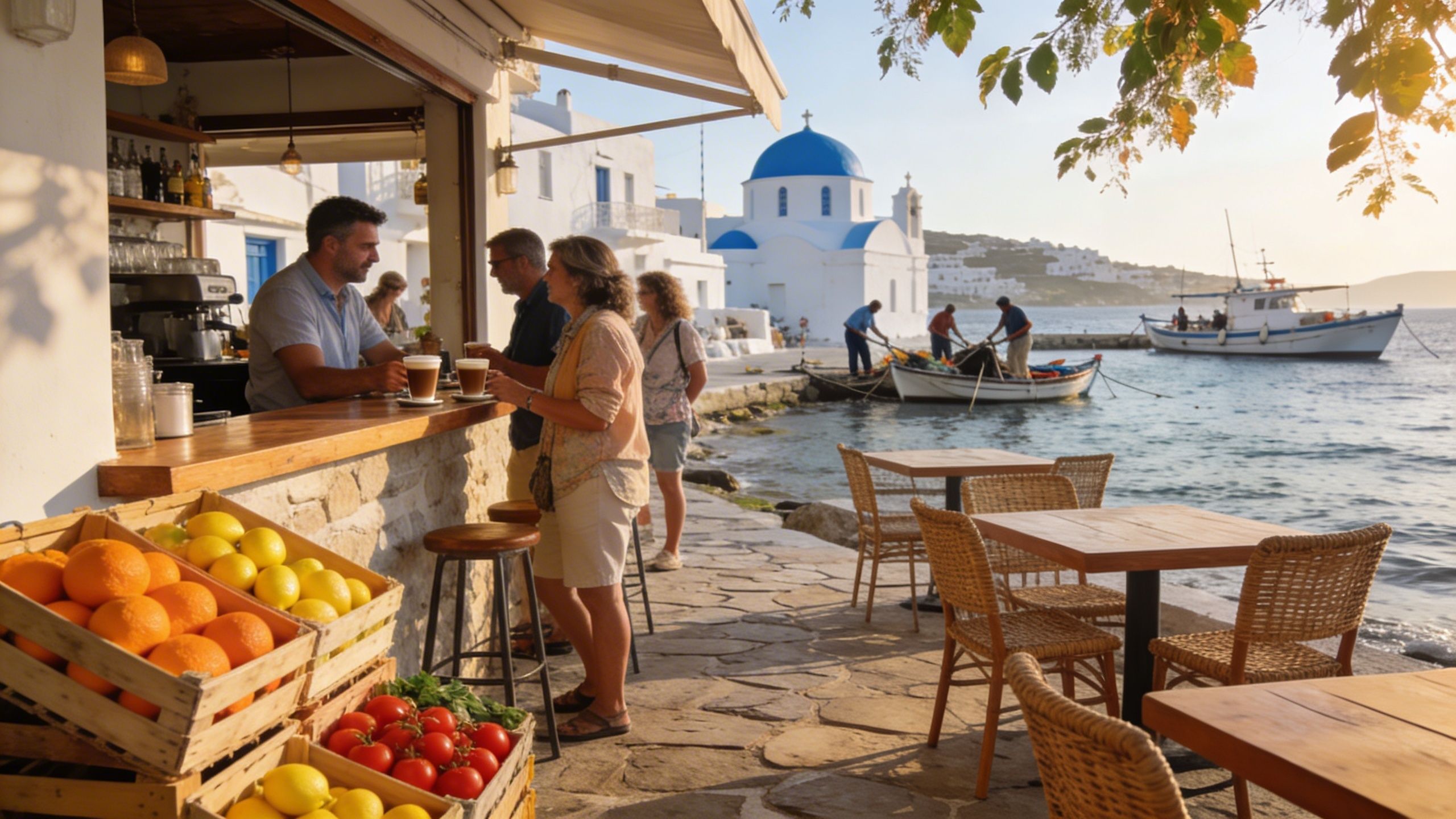
 The Yieldist
 The Yieldist


