Cyprus: Match Neighbourhood Rhythm to Yield
Cyprus blends Mediterranean lifestyle with segmented investment returns — coastal premium growth vs inland yield stability. Match neighbourhood rhythms to your yield model.
 The Yieldist
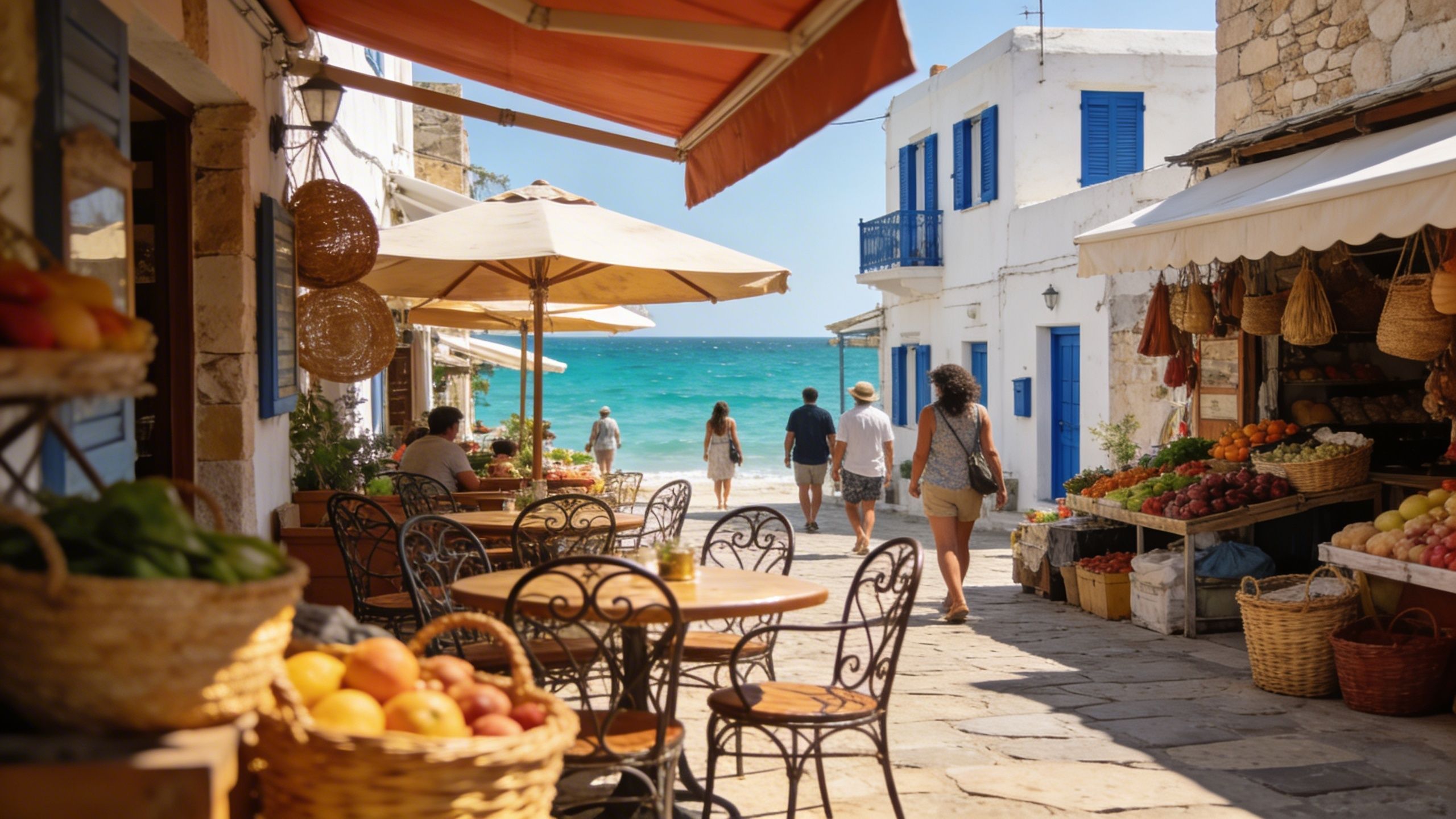
Imagine waking to a sunlit terrace in Limassol, the scent of fresh halloumi drifting from a street café two blocks away, while your property spreadsheet quietly updates with the latest price-per-square-metre you tracked last week. Cyprus sells a life—terrace breakfasts, short drives to empty beaches in winter, village tavernas that feel unchanged for decades—but for the investor the question is always the same: does the lifestyle translate into consistent returns?
Living the Cyprus Life — what you actually buy into
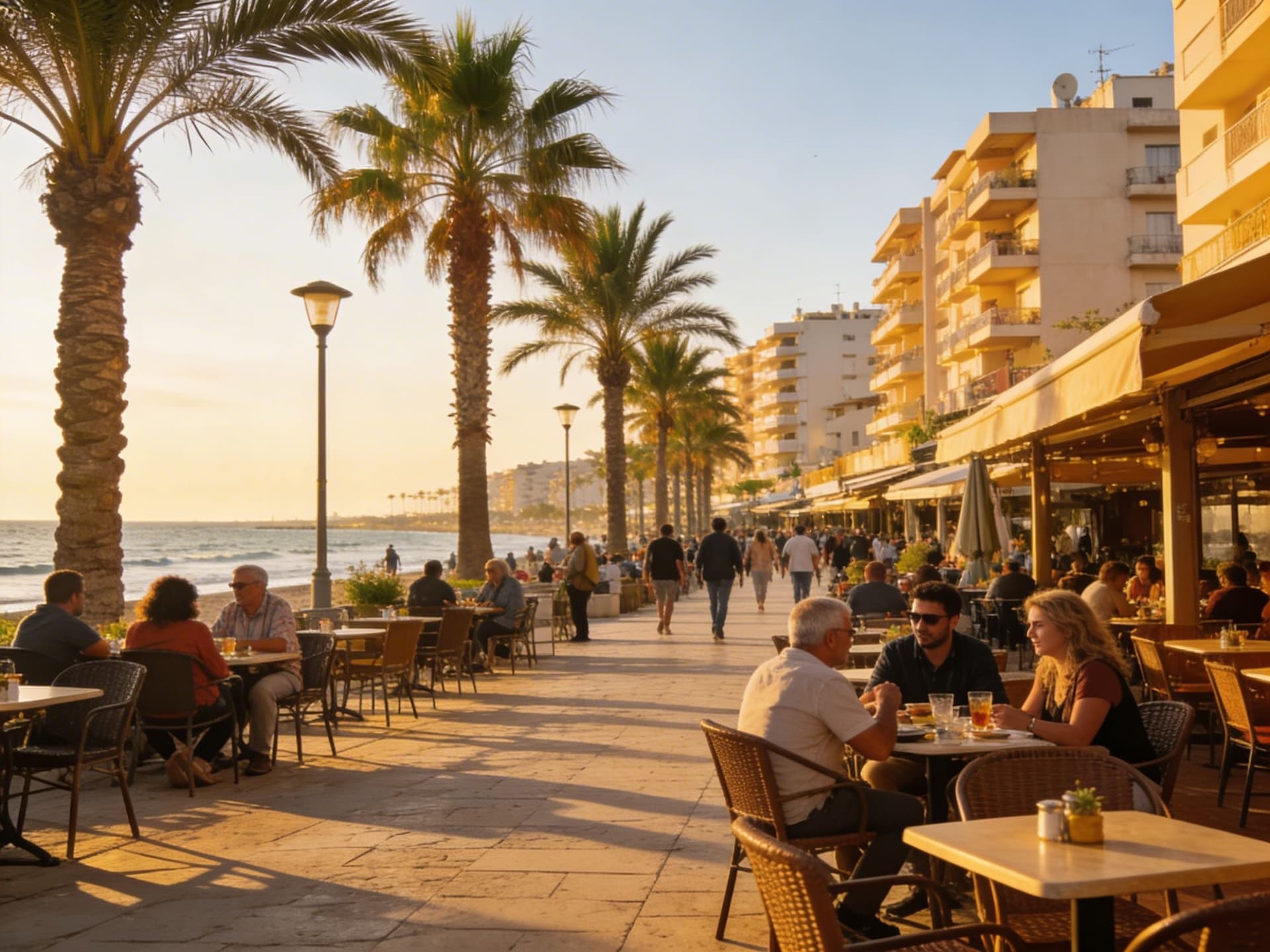
Cyprus is both Mediterranean coastline and mountain village; the daily rhythm shifts with seasons. In coastal hubs like Limassol and Paphos mornings mean beach jogs and cafés on the promenade; Nicosia’s mornings feel more urban—bakeries, government offices, and a quieter apartment market. This split shapes demand: seaside apartments attract short-let holiday income and premium pricing, while inland and city properties trade on year-round rental stability and lower entry prices.
Neighborhood spotlight: Limassol’s layered appeal
Walk Germasogeia towards the Marina and you move from everyday apartment blocks to high‑end towers and yacht-lined quays. The area combines international schools, boutique hotels, and corporate relocations—a reason Limassol commands among the highest prices per square metre on the island and consistent interest from foreign buyers.
Food, markets and seasonality: how life changes the ledger
Summer shifts footfall dramatically: Ayia Napa and Paphos swell with short-term visitors, lifting gross rental incomes but also compressing net yields because operating costs and volatility rise. Off-season shows the island’s true rental backbone—students, professionals and long-term expatriates—who stabilize cashflow for buy-to-let portfolios.
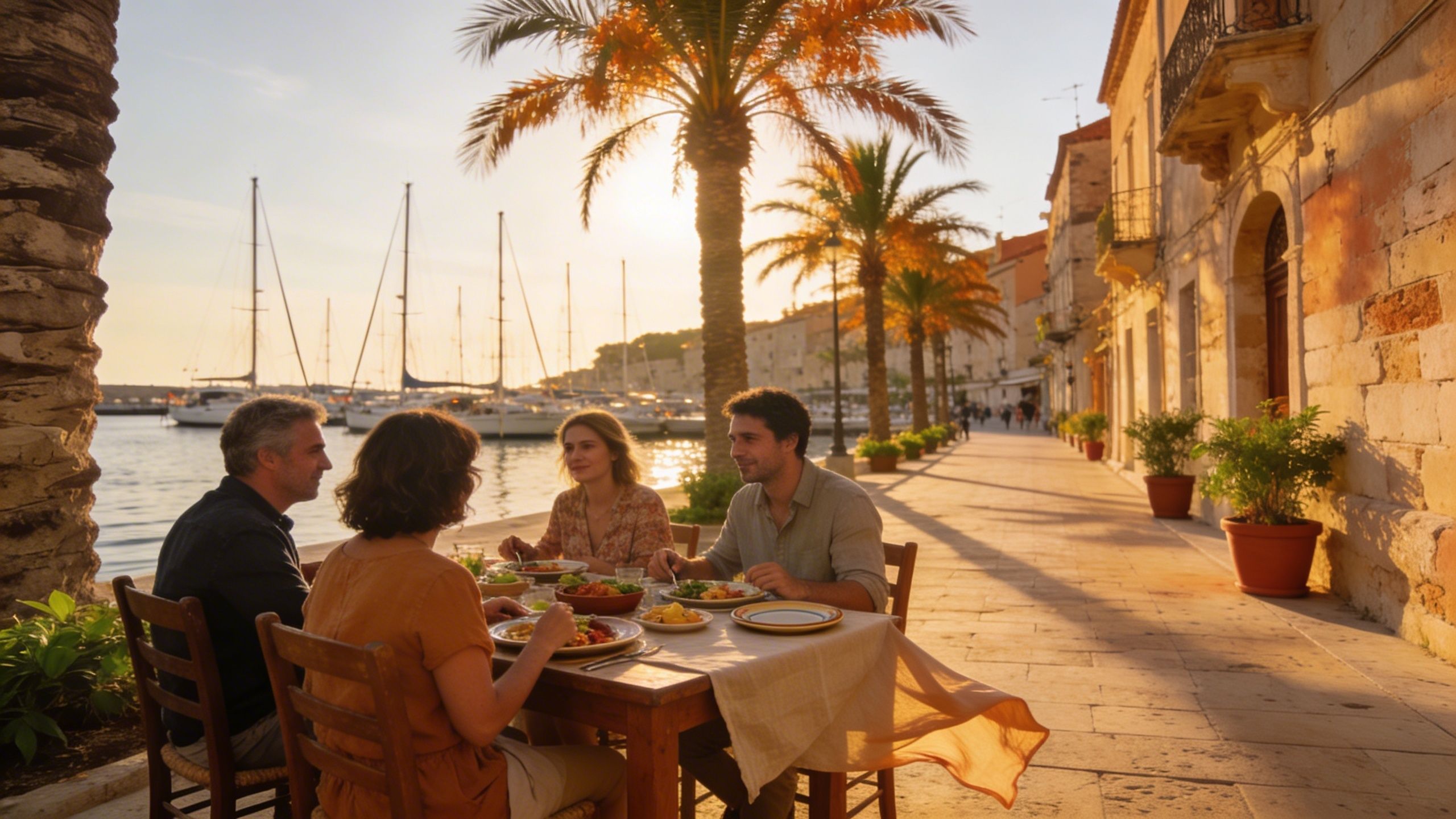
Limassol marina cafés, Paphos harbour tavernas, Larnaca’s Finikoudes promenade, Nicosia’s Ledra Street bakeries, Omodos village winery weekends, Konnos Bay morning swims
Making the move: practical considerations that preserve lifestyle and yield
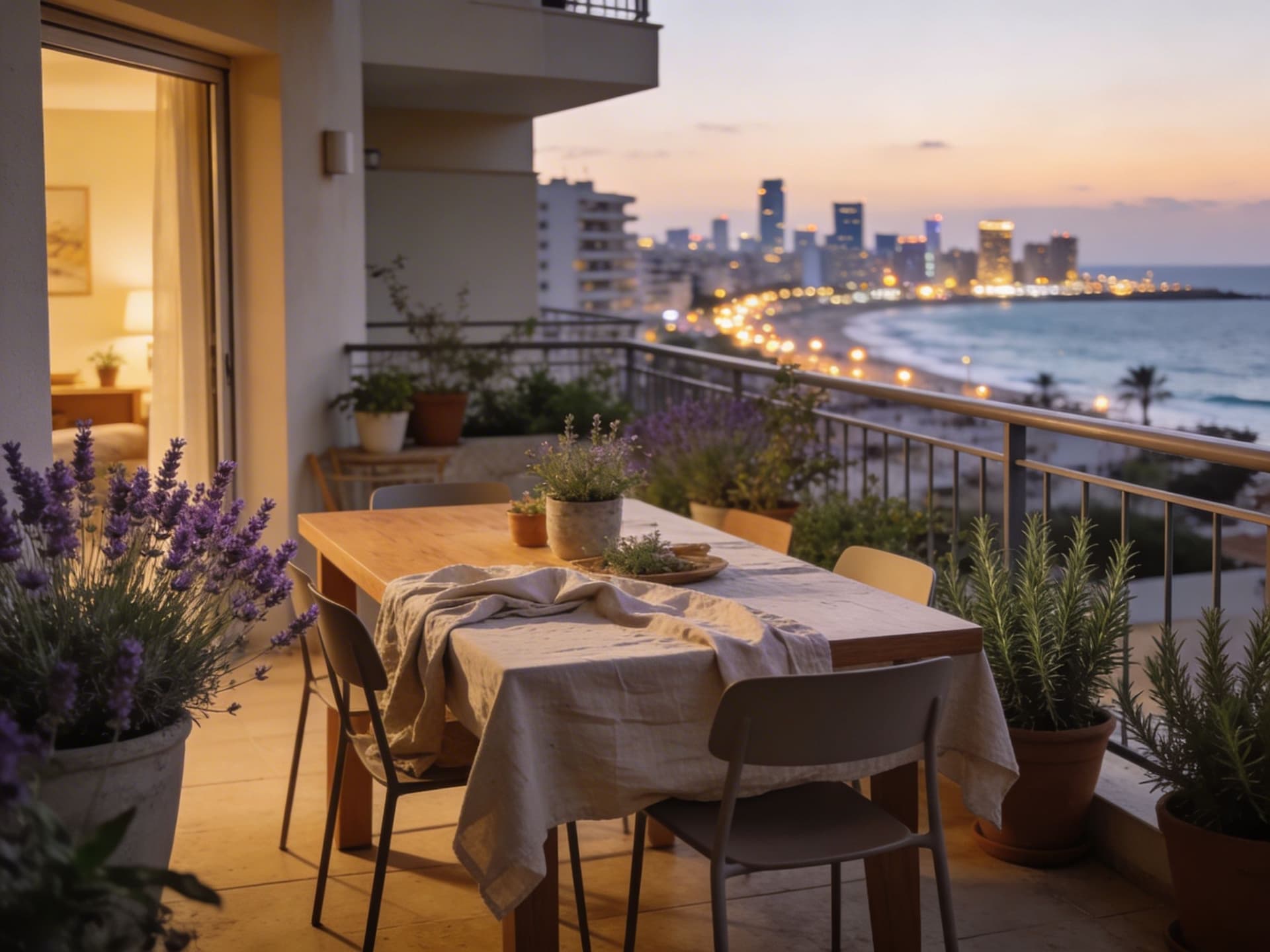
You buy property in Cyprus for two overlapping reasons: lifestyle and returns. Data from the Central Bank and market providers show price appreciation concentrated in coastal premium zones and stronger rental demand for mid-range stock under €250k. That split requires a dual strategy: buy prime coastal if you accept higher entry costs and lower immediate yields, or buy mass-market city/inland stock if you prioritise cash yield and diversification.
Property styles and what they deliver
Seafront apartments: premium capital appreciation, seasonality in rent and higher service/management costs. Suburban townhouses: steadier long-term tenancy and family rental demand. Village stone houses: renovation upside but longer vacancy risk and maintenance. New-build complexes: warranty-covered supply and better energy performance—important for utility costs and tenant attraction.
How local experts protect the lifestyle brief
Work with agents who map tenant profiles to neighbourhoods; insist on rental comparables (not listing prices); require operating-cost breakdowns (condo fees, insurance, management); ask for historical occupancy rates for short-lets; check road and marina development plans that reprice neighbourhoods.
Insider knowledge: what expats wish they’d known
Expats often come for the sun and stay for the rhythm of small-town life—but they underestimate bureaucracy timelines and the micro-local nature of demand. Two buyers can buy within the same postal code and see very different yields because tenant expectations and transport links differ street-by-street.
Cultural integration and everyday life
Learning basic Greek phrases helps with local tradespeople and estate agents; weekend rituals—church festivals, farmers’ markets like Limassol’s—are the social currency that unlock trusted local rentals and off-market opportunities. Expect a slower pace for administration and plan timelines accordingly.
Long-term lifestyle and market sustainability
Tourism and corporate relocations underpin demand, but supply constraints in prime coastal belts are a more important driver of price growth than short-term sentiment. Investors should treat Cyprus as a moderate-growth, yield-supporting market: expect steady price appreciation in selected districts and plan for 4–7% gross yields depending on location and letting model.
Check these red flags before you buy: unclear title or incomplete licences; unusually low condo fees (they often mask deferred maintenance); areas dependent only on seasonal tourism; overleveraged developer schemes; lack of clear transport links to employment centres.
A short, practical checklist
Obtain at least three rental comparables for the street; review historical occupancy for short-let windows; budget 8–12% of rent for operating costs on short-lets; insist on an EPC or equivalent for energy costs; use local legal counsel for due diligence on titles and permits.
Conclusion: Cyprus is a lifestyle-first market that can also deliver disciplined returns if you pair neighbourhood sense with data. Fall for the morning espresso in Larnaca, but buy with the cashflow model in mind—map tenant demand, stress-test seasonality, and use local specialists who translate the island’s culture into reliable yield. If the life fits the numbers, Cyprus can be both home and a resilient part of a diversified property portfolio.
The YieldistDanish relocation specialist who moved to Cyprus in 2018, helping Nordic clients diversify with rental yields and residency considerations.
Related Articles
More insights that might interest you

 Villa Curated
 Villa Curated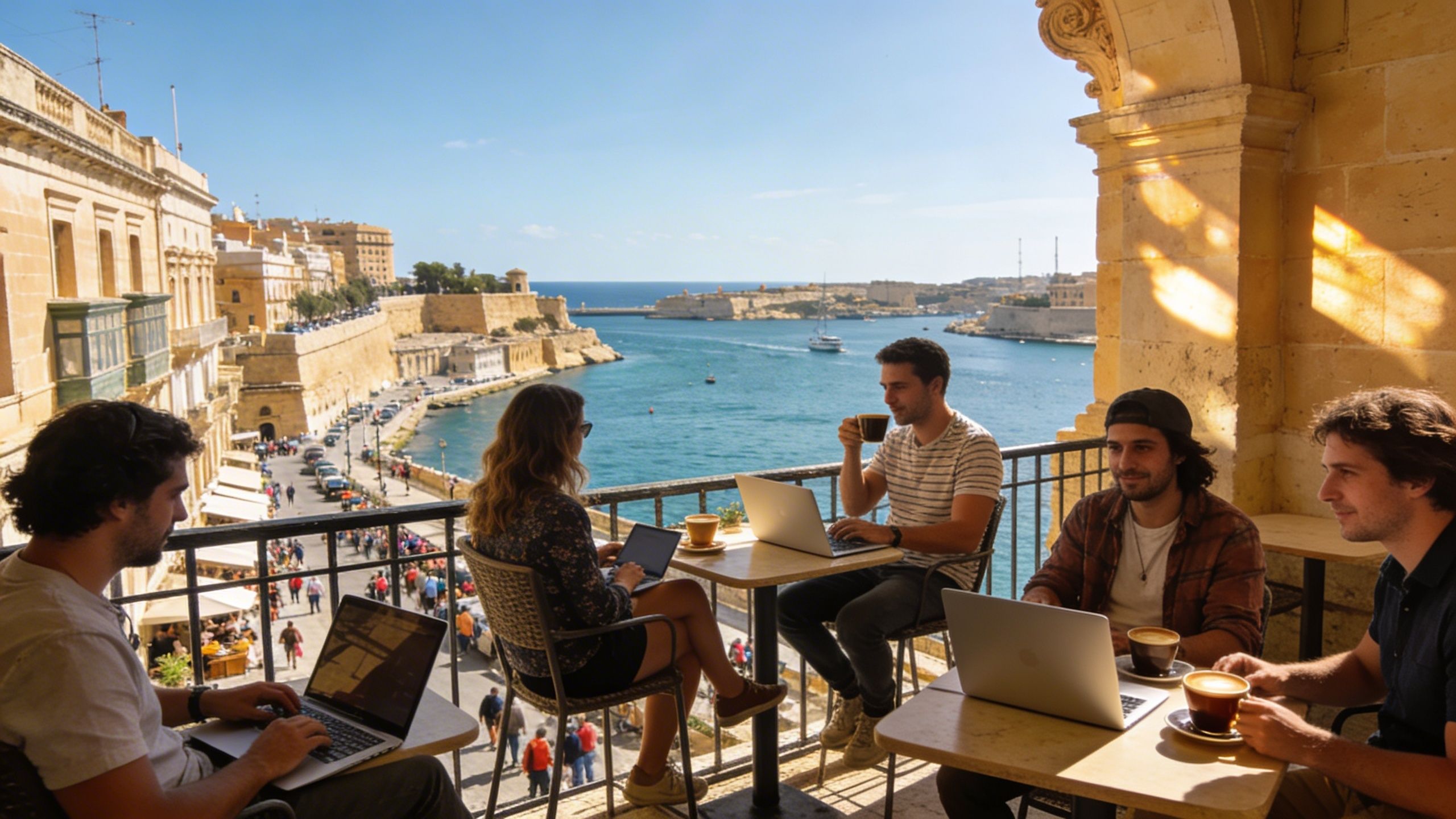
 MoveSettleGo

