Why Greece’s Summer Hype Masks Better Yield Pockets
Greece’s postcard summers hide where reliable rental returns live. Match lifestyle hotspots to yield-ready streets, stress-test short‑let exposure, and prioritise long‑term demand.
 The Yieldist
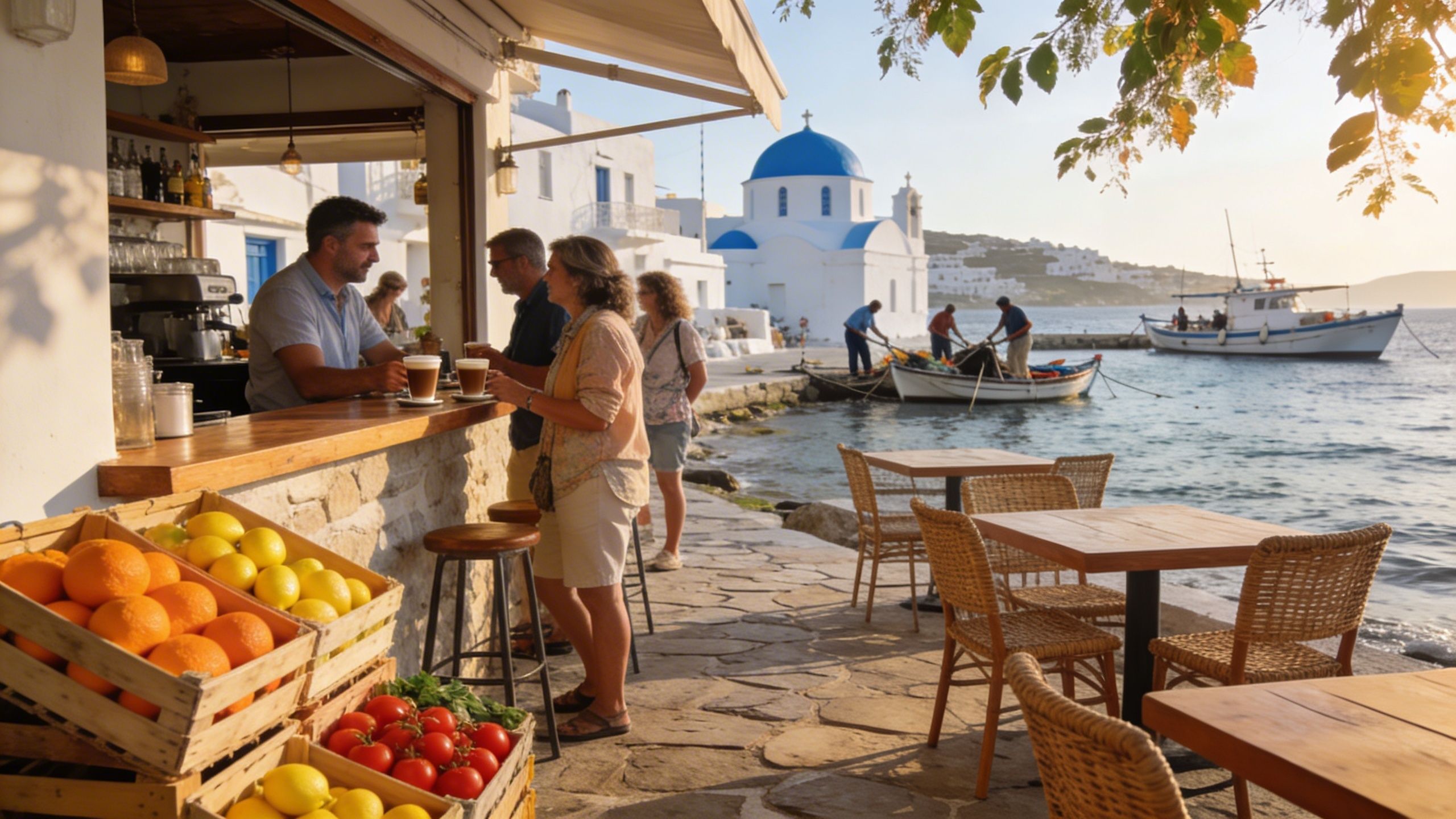
Imagine sipping an espresso on Dionysiou Areopagitou with the Acropolis in view, then closing your laptop and walking five minutes to a neighborhood taverna where the owner already knows your name. Greece sells that day-to-day life: dramatic light, markets that smell of sea and thyme, and neighborhoods that change character between morning markets and late-night plate-sharing. For international buyers the question is not just “Can I live here?” but “Which Greece produces reliable rental income, and how do I avoid the tourist trap?”
Living Greece: the rhythms that matter

Greece is simultaneously compact and plural: Athens’ street markets and late cafes; Cycladic islands with white-washed alleys; and Peloponnesian towns where fishing boats take precedence over fast internet. Seasonal swings are real — July and August feel like another country — but year-round pockets of demand exist where locals, students and professionals keep rental markets active outside high season. Understanding those rhythms is the first step to matching lifestyle location with yield expectations.
Athens: density, culture and steady long-term demand
Central Athens mixes university students, young professionals and a growing cohort of digital workers — that blend keeps long-term rental occupancy high even when tourists thin out. Local measures (a temporary freeze on new short‑term rental registrations in central municipal districts) have redirected investor focus toward longer leases, supporting more predictable cash flow for buy-to-let owners. For an investor, neighborhoods like Koukaki, Pangrati and Exarchia now look more like yield plays than speculative short‑let hotspots.
Islands vs mainland: seasonal peaks and off‑season resilience
Island markets (Mykonos, Santorini, Rhodes) deliver high short‑let revenue in summer but suffer low occupancy in winter; smaller islands and mainland coastal towns often show stronger off‑season demand from locals and domestic travellers. Practical implication: a property that looks spectacular in August may sit empty for five months, compressing net yield once management fees and taxes are deducted. Investors seeking steadier returns should prioritise islands with year‑round services (Santorini town centre exceptions aside) or coastal towns with local economies.
Lifestyle highlights worth pricing in
When you buy in Greece you’re buying into daily rituals: early-market fishmongers in Varvakeios, late-night plate-sharing in Glyfada, afternoon coffee at Little Kook in Psiri, and weekend drives to the Peloponnese olive roads. Those rituals drive tenant preferences — proximity to markets, balconies for drying linens, and air-conditioning for hot summers matter more than skyline views in many rental segments. Factor these simple features into your renovation budget to protect rentability.
Making the move: property types and yield tradeoffs
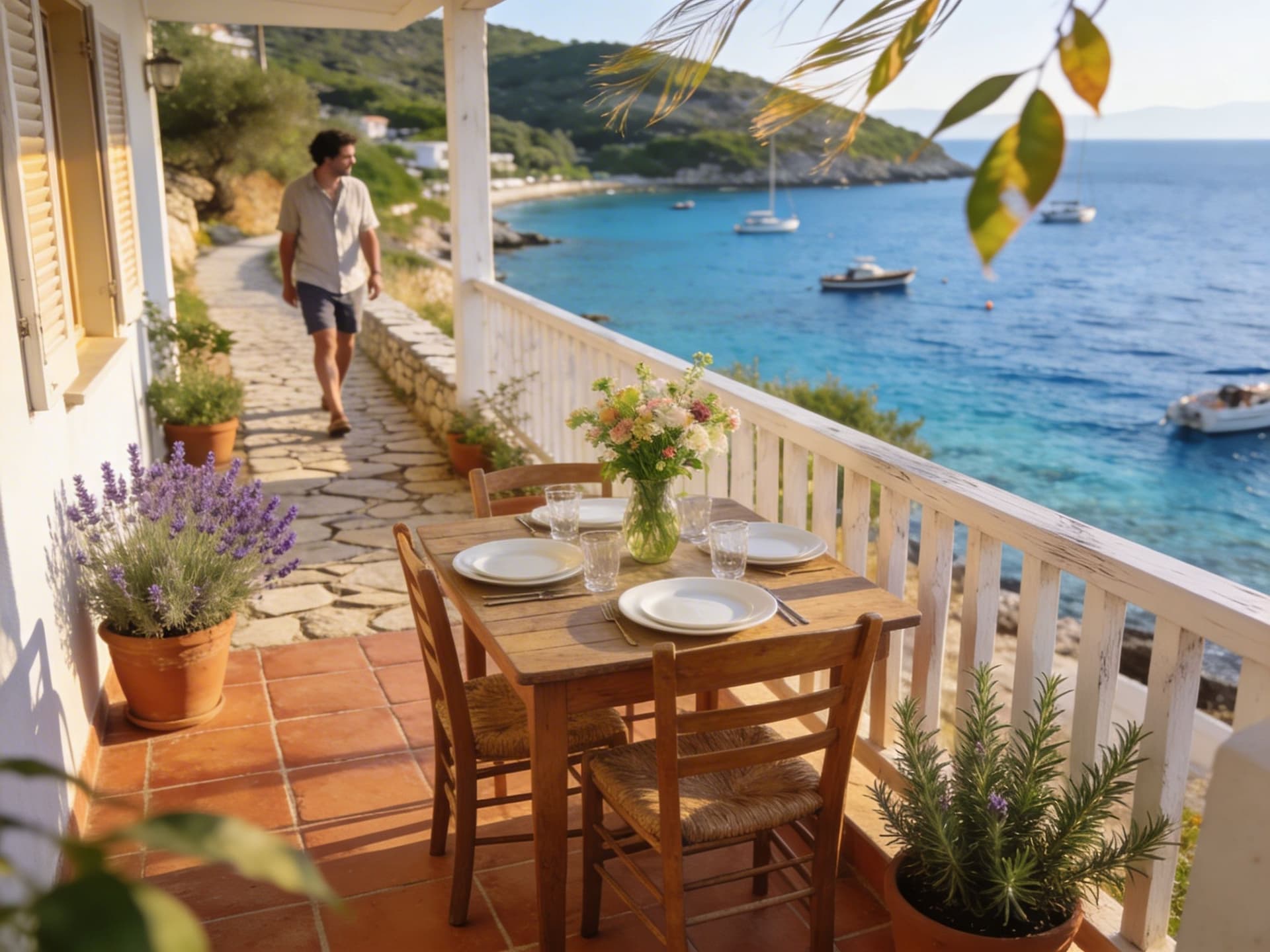
Before you fall for an island postcard, translate the lifestyle into an investment model: estimate gross rent, subtract realistic vacancy and management (often 15–30% for short‑lets), and stress-test yields against new regulations favouring long‑term leases. Recent policy moves incentivise long‑term leasing and restrict new short‑term licences in pressured urban districts; that changes expected returns and shifts value to properties suited for tenancy contracts longer than six months. An evidence-based approach separates summer glamour from sustainable income.
Which property archetypes work in Greece?
Studio and one-bedroom apartments in central Athens or university towns typically show higher gross yields because of strong demand from students and young professionals. Family-sized apartments near good schools and transport (Kifisia, Glyfada suburbs) attract long-term tenants at slightly lower yields but with lower turnover. In many coastal towns, renovated older homes with outdoor space command premium seasonal rates — but they need higher operating budgets and marketing to reach tourists.
Step-by-step stress test before you buy
1) Calculate conservative gross yield: use average market rents, not peak summer rates. 2) Subtract realistic costs: 20–30% for management and maintenance if using short‑lets; 10–15% for long-term lets. 3) Add regulatory risk buffer: assume additional compliance costs or temporary licence freezes. 4) Model three scenarios (downside, base, upside) across five years to see volatility in net yield.
Insider knowledge: what expats wish they'd known
Expats quickly learn that Greek bureaucracy moves slowly and that local relationships accelerate outcomes. Simple items — an up-to-date energy efficiency certificate, Greek tax number (AFM), and a properly recorded lease — materially affect time-to-rent and legal security. Many buyers underestimate the administrative lead times for registering a short‑term unit or converting a property to a long-term lease, which directly affects yield timing.
Cultural cues that shape tenant demand
Greek tenants prize indoor climate control, secure shutters for summer storms, and balconies for everyday life; buyers that ignore those features see slower fill rates. Neighborhood social fabric matters: short streets with corner cafes and evening life keep apartments rented, while soulless new builds in edge suburbs need price incentives to attract tenants. Local agents who know which streets have consistent demand save you months and thousands in vacancy costs.
Red flags to avoid
• Property in heavily touristed historic cores where resident populations are shrinking. • Units without legal primary‑use classification for short lets (risking de‑registration). • Listings that show consistently high peak-season rent assumptions with no off‑season modelling. • Sellers who resist providing registered energy and safety certificates — these are negotiation leverage and legal requirements.
If you want to taste the life before you buy, spend time in the neighbourhood in off-season months and speak to local shopkeepers and letting agents. Data and local colour together reveal where rental demand is structural, not seasonal hype. For many international buyers the best outcome is a portfolio mix: a central Athens apartment for steady long-term rent and a carefully chosen coastal property for seasonal upside — each priced and managed to different risk tolerances.
Next steps: compile three local comparables, commission an independent rent appraisal, and insist on written evidence of a property’s registration status for short‑term renting if that’s your plan. Work with an agency that blends lifestyle insight (which streets feel alive) with analytical rigour (five‑year net yield modelling). That combination protects the life you want in Greece, and the returns you need.
The YieldistBritish expat who moved to the Algarve in 2014. Specializes in portfolio-focused analysis, yields, and tax planning for UK buyers investing abroad.
Related Articles
More insights that might interest you

 Villa Curated
 MoveSettleGo
 Moss & Hearth
