How Croatia’s New Rules Reprice Coastal Yields
Croatia’s charm and shifting short‑let rules reshape returns: blend coastal lifestyle with legal checks, consent risks and tax modelling to protect yields.
 The Yieldist
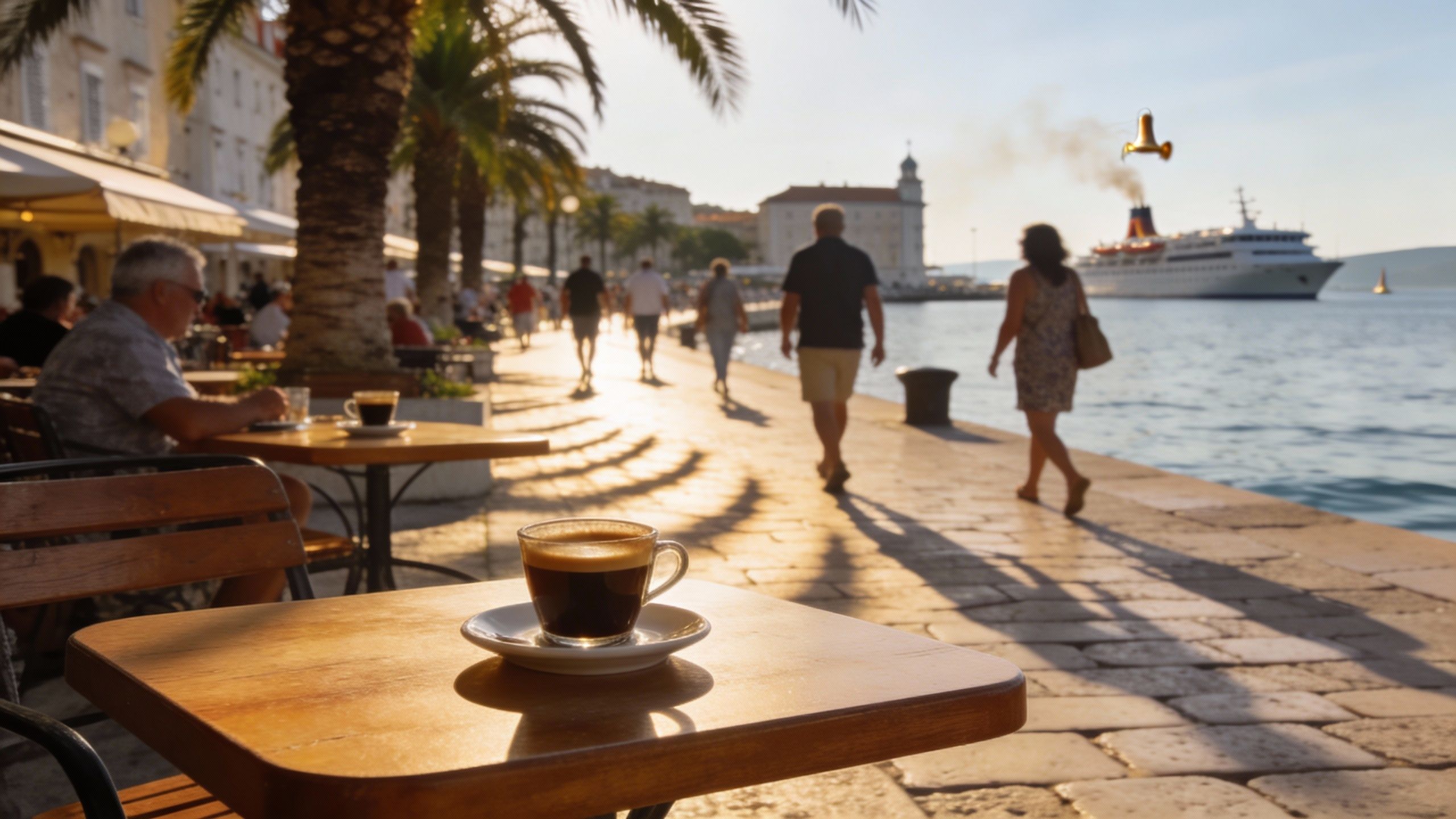
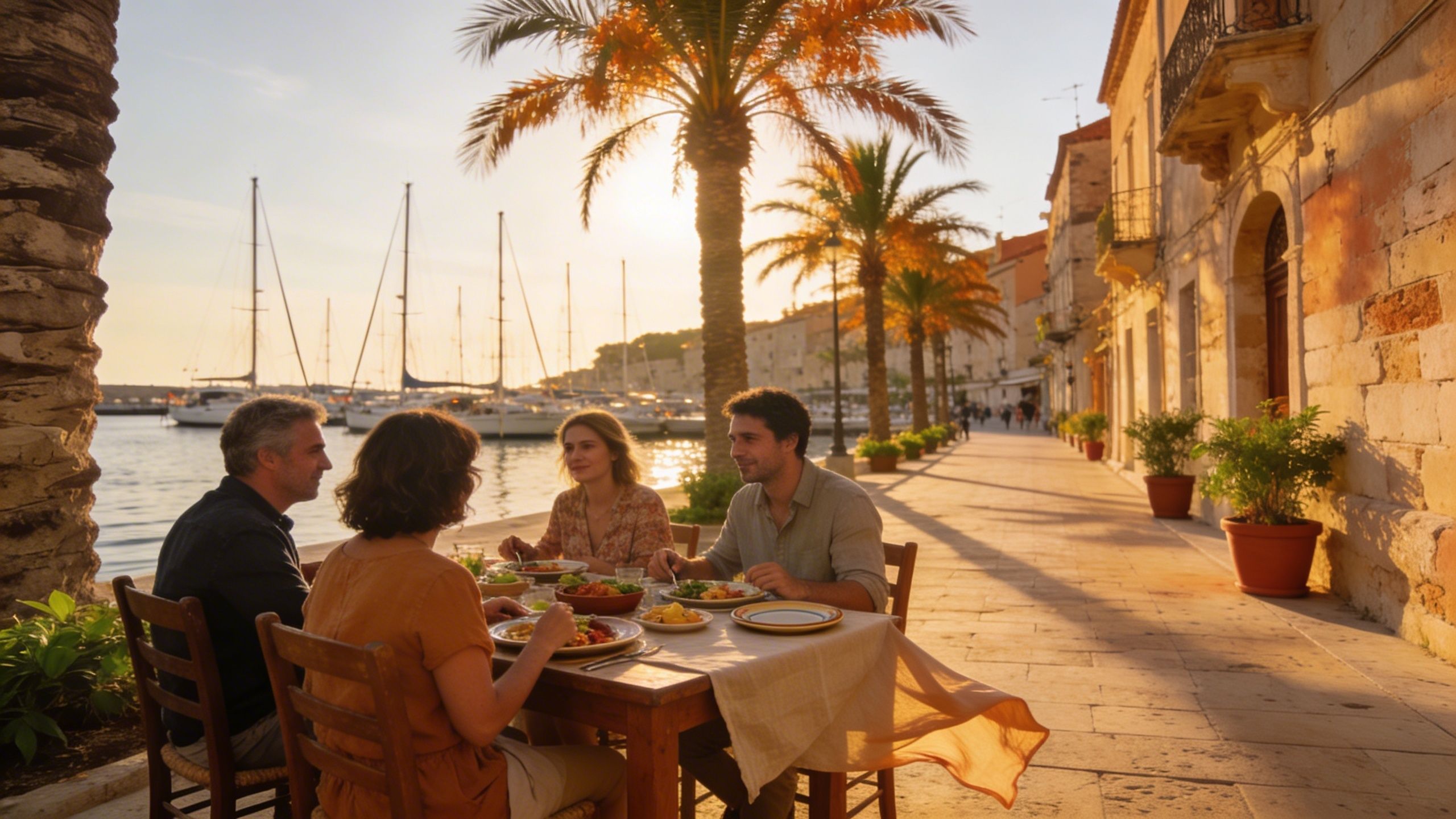
Imagine waking up in a stone‑paved lane in Split, the sea air mixing with the bakery’s warm scent, then finishing the morning with espresso at Riva while a property manager checks this week’s bookings. Croatia sells that coastal, small‑city rhythm better than most places in Europe — but the returns you chase here are no accident of scenery. Recent regulatory shifts around short‑term letting and the detailed rules on foreign ownership materially change yield calculations; thoughtful buyers pair the romance of streets like Poljička or Rovinj’s harbourfront with a lawyer and a local yield model.
Living the Croatian lifestyle
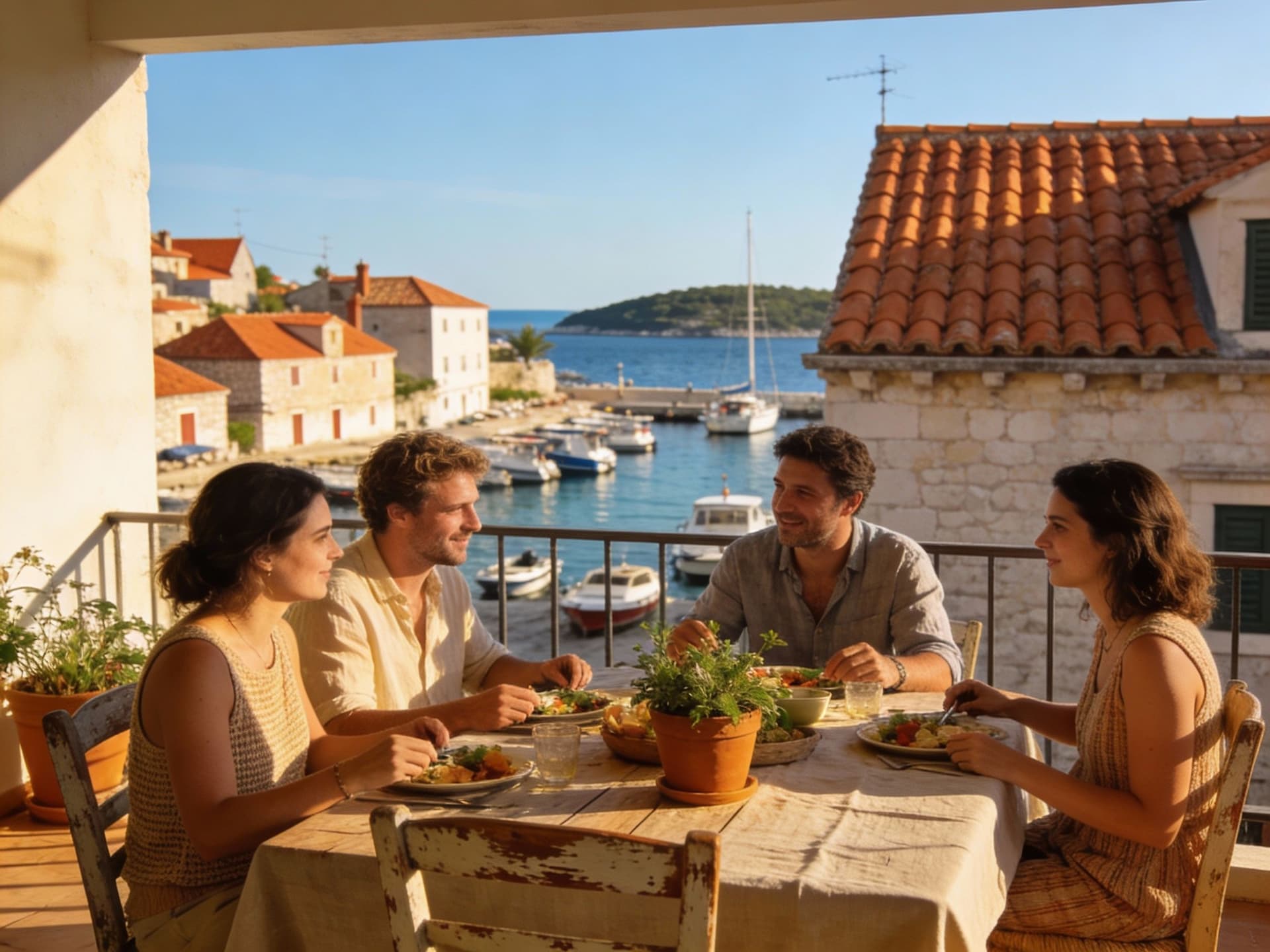
Croatia is both Adriatic coastline and continental hinterland: mornings in café‑filled squares, afternoons on pebble beaches, and evenings at neighbourhood konobas (family taverns). The pace is seasonal — places like Hvar and Dubrovnik swell in July but quiet to a local tempo by October — and that rhythm shapes rental demand and what tenants expect from a property. For investors, culture and seasonality mean different product needs: compact historic flats near promenades perform differently to modern apartments with parking in suburban Zagreb.
Neighbourhoods that actually pay the bills
Don’t fall for the postcard only. In Dubrovnik, Lapad and Ploče deliver steadier long‑term rentals than the Old Town, where short lets dominate and regulation risk is higher. In Split, Varoš and parts of the Žnjan corridor are shifting as infrastructure improves — think better access to ferries and co‑working hubs, which appeals to longer‑stay remote workers. Inland, Varaždin and Osijek are quietly attractive for lower entry prices and rising domestic rental demand, giving different yield profiles than the coast.
Food, markets and the micro‑economy
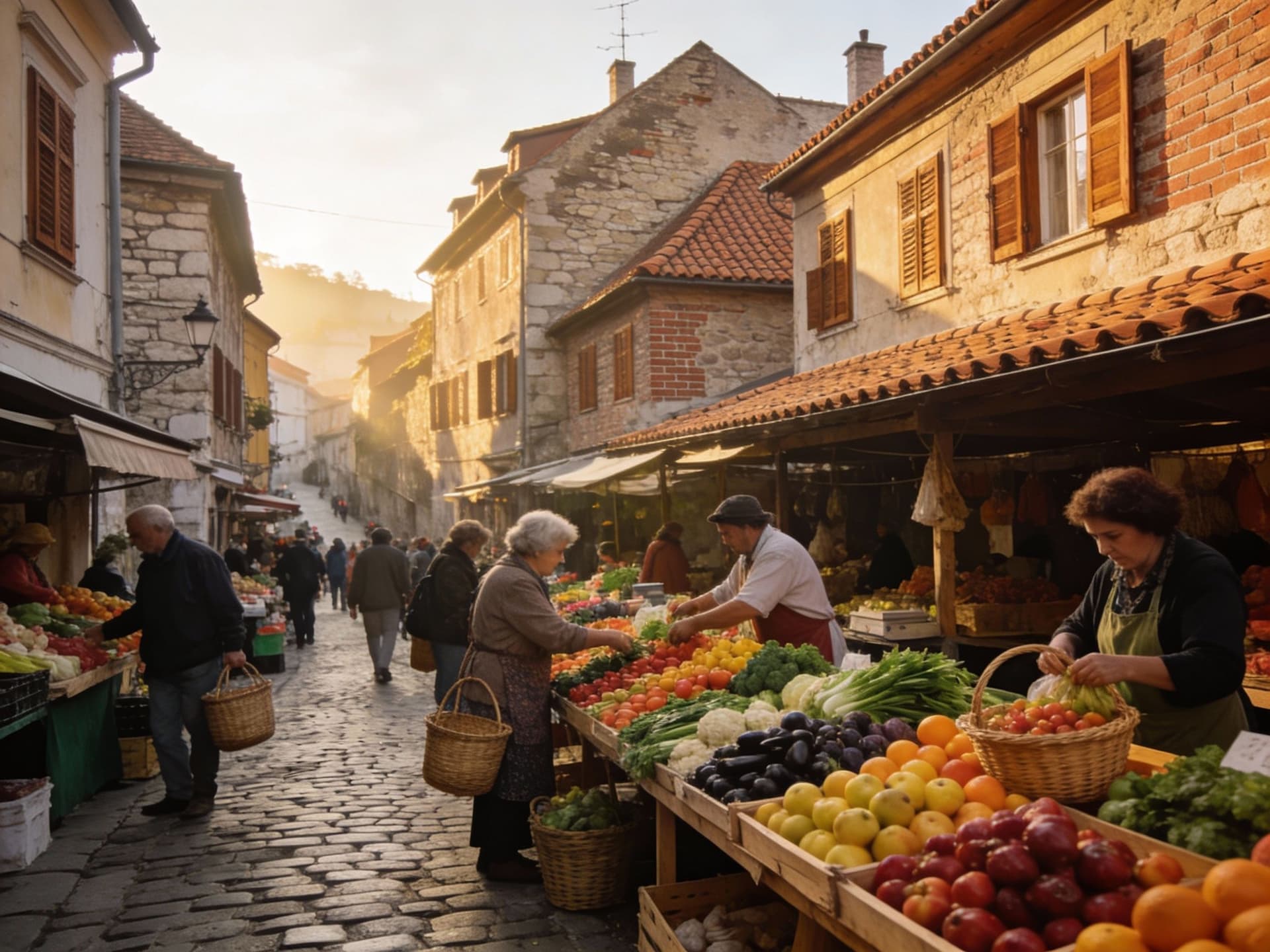
A weekend at Dolac market in Zagreb or a fishmonger’s stall in Zadar is civic infrastructure for local life — and an amenity for your property. Local cuisine anchors neighbourhood desirability: properties near popular markets, lively konobas and ferry links often command better mid‑season occupancy. Seasonal festivals (e.g., Advent in Zagreb or the Split summer programme) create short windows of above‑average nightly rates that should be modeled into annual yield, not treated as windfalls.
- Lapad (Dubrovnik) — steadier long‑let demand, calmer evenings than Old Town.
- Varoš & Žnjan fringe (Split) — improving infrastructure, remote‑worker appeal.
- Rovinj harbour streets — premium seasonal rates, thin off‑season liquidity.
- Zagreb districts near Dolac/Riva equivalents — year‑round tenant base, predictable rents.
Making the move: practical considerations
The paperwork and local rules are no mere formality — they change what a property is worth to you. EU citizens can generally buy under the same conditions as Croatians, but non‑EU buyers still face reciprocity tests and specific restrictions on agricultural land and maritime domain. More pressing for many owners: the new limits on short‑term rentals (co‑owner consent rules) and the growing municipal enforcement of registration and tax rules mean you must stress‑test assumed Airbnb revenues against likely compliance costs.
Property types and what they earn
Historic stone flats near waterfronts peak on nightly rates but suffer vacancy and legal sensitivity; modern apartments with parking and insulation get steadier year‑round tenants and lower maintenance shocks. For multi‑unit buildings, think about co‑ownership rules: from 1 January 2025 Croatian law requires a two‑thirds co‑owner approval for short‑term leasing in many buildings, which can lock a unit out of the tourist market for years if neighbours object. Factor this into discounted cash‑flow models for coastal assets.
Work with experts who think like investors
You want a lawyer who reads the Official Gazette, an accountant who models flat‑tax vs. standard rental tax regimes, and an agent who can access off‑market stock. Local specialists translate rules into ROI — for example, whether to buy in your name or through a Croatian company impacts corporate tax treatment and liability. A data‑minded agency will show cap rates (gross and net), price per sqm, and stress‑tests for 30‑50% seasonality swings rather than glossy photos.
- Calculate three yield scenarios: conservative (70% annual occupancy), base (50–60%), and optimistic (peak summer dependency).
- Confirm legal eligibility: EU buyers check gov.hr guidance; non‑EU buyers order reciprocity approval from the Ministry of Justice where required.
- Price the compliance burden: co‑owner consent, registration numbers for short lets, local tourist taxes and mandatory safety checks.
Insider note: taxation is not uniform. Individual landlords can often use a flat‑rate tourist tax per bed (municipality dependent) or declare rental income with a 30% lump sum deduction; companies face corporate tax on rental profits. Use local tax tables when modelling: a 10–18% corporate bracket, a common 12% individual rental band on the taxable portion, and a 3% property transfer tax on purchase are typical inputs for a realistic total cost of ownership.
Insider knowledge: what expats wish they’d known
Expats often underestimate the social dimension: neighbours, co‑owners and municipal inspectors can shape whether a unit earns tourist premiums or becomes a long‑term rental by necessity. Language is a soft cost — translations, notarised documents and local bank interactions all add time and money. A pragmatic approach pairs the dream (sea views, markets, festivals) with local relationship capital: a trusted building administrator, a bilingual lawyer, and a responsive local property manager.
Cultural and seasonal realities
Croatia’s tourism season concentrates income in June–September, with spikes during Easter and local festivals. Many owners find a hybrid model — short lets in summer, and medium‑term rentals in shoulder months — reduces vacancy risk. Respect local rhythms: noisy summer parties are tolerated in certain areas but not in others; community acceptance matters because new rules may require neighbour approval for continuing short‑term use.
Long‑term picture: where growth comes from
Infrastructure upgrades (ports, regional airports) and rising remote‑work demand will shift some coastal demand into off‑peak months, improving blended yields. Inland urban renewal and domestic demand will support capital growth away from tourist hotspots. For portfolio investors, diversification across city, coast and inland lowers the seasonality beta of Croatian exposure.
Conclusion — fall in love, but model everything. Croatia’s lifestyle is the pull; its evolving regulations are the leash. Start with a lifestyle shortlist (neighbourhoods you’d live in), then run three realistic yield scenarios incorporating co‑owner consent risk, registration and tax outcomes. Work with a local lawyer, an accountant familiar with Croatian rental tax regimes, and an agency that supplies historical occupancy and net yield data. These steps turn seaside daydreams into investable, defensible assets.
The YieldistDanish relocation specialist who moved to Cyprus in 2018, helping Nordic clients diversify with rental yields and residency considerations.
Related Articles
More insights that might interest you
 Villa Curated
 Villa Curated
 The Yieldist


