
France: Where Lifestyle Beats National Price Noise
France’s charm masks regional price divergence. Combine INSEE indices and notaires city data with neighbourhood scouting to buy the lifestyle that also holds value.
 Blueprintera
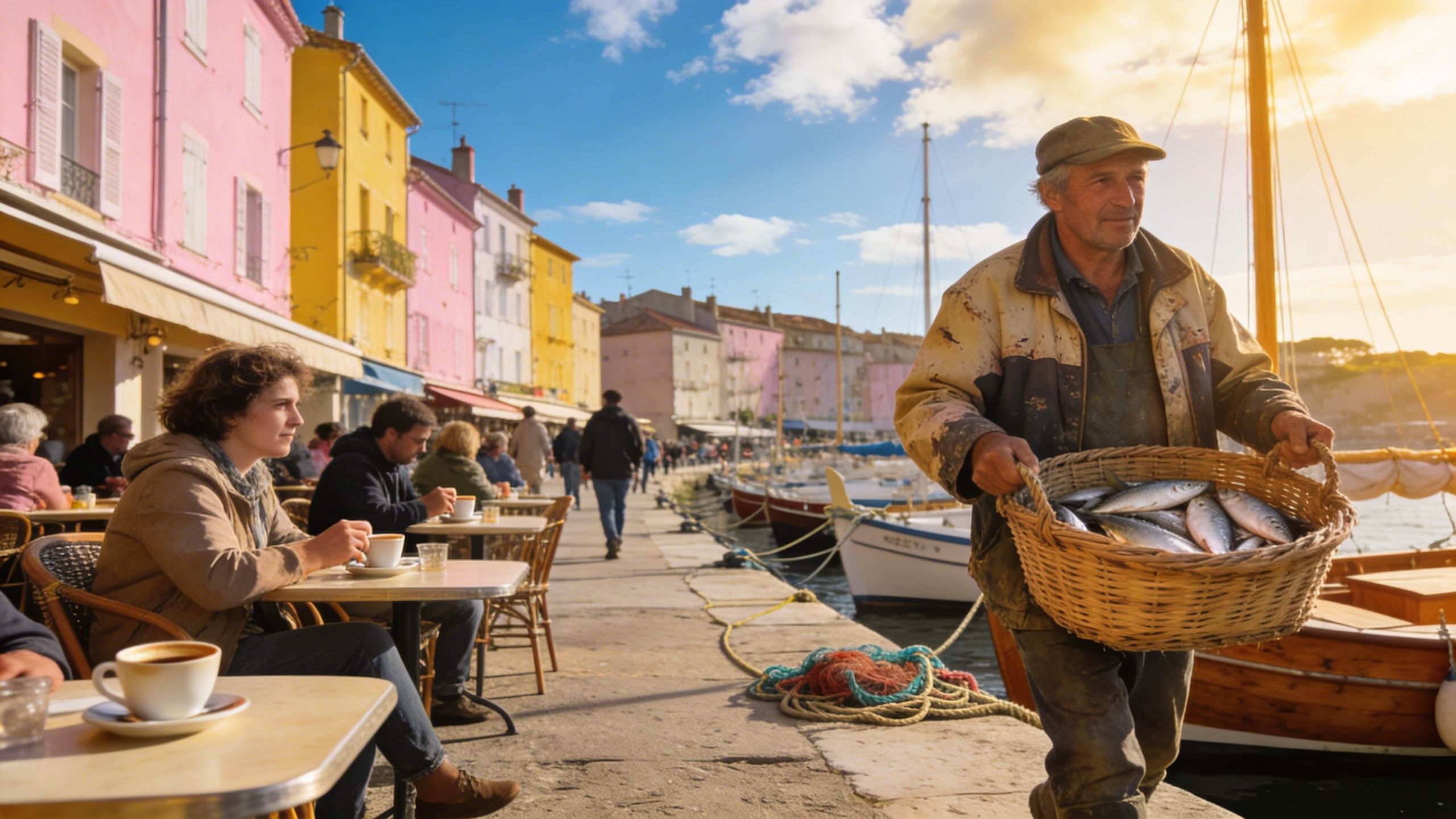
Imagine starting your morning with a café crème on rue des Rosiers, watching market vendors arrange buckets of sardines and lavender while a boulangerie fills the air with warm bread. That sensory rhythm—markets in the morning, long lunches, and late walks along the Seine or a Mediterranean shoreline—shapes how French property feels: lived-in, layered and quietly valuable. For international buyers the romance is obvious; the practical question is where that romance meets resilient price dynamics. Recent INSEE and notaires reports show modest but meaningful shifts across regions that change timing, neighbourhood choice and negotiation strategy.
Living the French lifestyle: more than a view

France is not one market but many: Parisian arrondissements breathe differently from coastal towns on the Côte d’Azur or provincial cities like Rennes and Dijon. Each place has its own morning routine (espresso at the bar vs. sea swims at dawn), and those routines map directly to property demand—compact flats near stations for city life, terraced houses with courtyards for provincial weekends. Notaires and INSEE data underline this fragmentation: some cities saw price rises while others softened, so lifestyle choice and micro-location drive price performance as much as national averages.
Spotlight: Paris vs provincial pace
Paris remains sui generis: high price per square metre, deep liquidity at the top end and quick rebounds when confidence returns. Yet provincial France has shown surprising strength—cities such as Rennes and Grenoble outperformed in recent years—driven by remote work trends and lifestyle migration. INSEE’s quarterly indices show second-hand dwelling prices stabilising nationally but with different regional stories underneath, which means an apartment in a small provincial centre can outperform an equivalent in a saturated city quarter.
Food, markets and neighbourhood life that influence value
Where locals queue for oysters, where a nightly marché sets up—these are price signals in France. A lively marché, a good boulangerie and a functioning weekday tram stop often correlate with stronger mid-term price resilience. For buyers, scouting the daily routine—where neighbours shop, where children play—offers more predictive power than headline yields. Lifestyle amenities are capitalised into prices slowly here; that’s why micro-location matters.
Making the move: practical considerations that match the lifestyle

Turning a daydream of café culture or coastal swims into an address requires matching property type to how you will actually live. New-build apartments offer energy efficiency and warranties, while older stone houses deliver charm and location—often near markets and small squares. Interest-rate cycles, regional demand shifts and supply constraints matter too; understanding recent statistics helps you time offers and choose neighbourhoods where lifestyle and upside align.
Property styles and what they mean for daily life
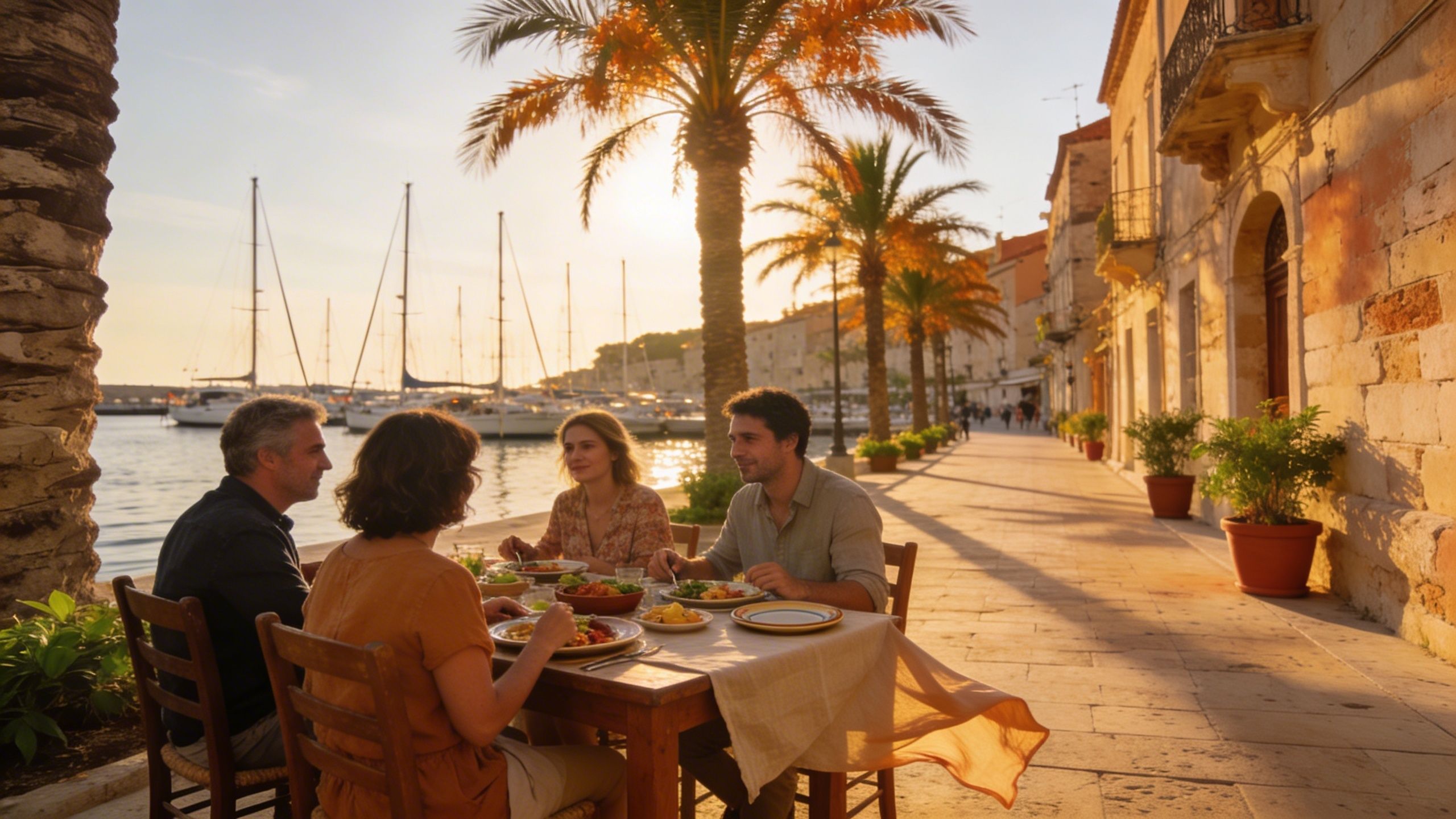
A Parisian haussmannien flat gives proximity to cafés and transport but typically means smaller outdoor space and higher sqm costs. A Provençal house near Cassis offers terraces and late-afternoon shade but may require adapting to seasonal tourism flows. Notaires’ city-level breakdown shows cities like Rennes and Dijon posting stronger gains, while Bordeaux and Lyon saw minor declines—evidence that architectural type and local demand cycles both shape price trends.
How local experts help find lifestyle-fit value
Work with agents who live the neighbourhood: they’ll tell you which streets quiet down on Sundays, which bakeries close for August, and where off-market homes surface. Agencies with local market data can show comparables that factor in street-level amenities rather than relying on broad municipal averages. That local colour translates into smarter offers: you’ll know when a seller’s terrace premium is justified and when it’s marketing theatre.
Insider knowledge: what expats wish they’d known
Expats often discover that small routines—where you buy cheese, how you reach a marché, the bus route your children will use—shape satisfaction more than headline square metre metrics. Data shows second-hand prices in provincial France rising modestly in early 2025, with flat markets in some large cities. That means patient buyers who prioritise neighbourhood feeling and long-term livability often capture the best value, rather than chasing transient hotspots.
Cultural integration and everyday practicalities
Learning a few French phrases, joining a local marché day or the neighbourhood pétanque games accelerates belonging—and reveals whether a street fits you. Practicalities such as local refuse days, épicerie hours and school catchment areas will inform whether a charming street is sustainable as daily life. Agencies that help with introductions—to plumbers, local mayors, school heads—reduce friction and make life in France begin on day one.
Long-term lifestyle and value: what to watch
Watch demographic shifts, transport projects and short‑term rental regulation—these structural factors reshape demand over a decade. Notaires’ decade view highlights cities with double‑digit growth since 2015, warning that today’s undervalued provincial centre can be tomorrow’s high-demand market. For buyers seeking both lifestyle and capital resilience, favour locations with stable services, strong schools and planned infrastructure over short-lived buzz.
Scout weekly markets (e.g., Marché Bastille, Nice Cours Saleya) to test daily life.
Prioritise streets with mixed local commerce—baker, butcher, small grocery—over residential blocks with no services.
Check local planning documents and transport projects before bidding; small infra changes shift value.
Ask agents for recent off‑market sales in the street—these reveal true local pricing more than portals.
Visit the neighbourhood at different times: weekday morning, Saturday market and an evening in high season.
Use data first: compare INSEE and notaires indices for region-specific trends then layer in street-level intel.
Negotiate with context: set offers based on comparable sales plus lifestyle premiums (terrace, market proximity).
France’s appeal is sensory—the clink of café cups, weekend markets, vineyards that colour the calendar—and that feeling is the asset many buyers pay a premium for. But the market is pragmatic: INSEE shows national price stabilisation while Notaires reveals winners and laggards by city. Pair neighbourhood sensory checks with these data sources, work with agents who understand both lifestyle and metrics, and you’ll be prepared to make an offer that buys both a place and the life you imagine.
BlueprinteraSwedish strategist who relocated to Marbella in 2018. Specializes in legal navigation and tax planning for Scandinavian buyers.
Related Articles
More insights that might interest you
 Villa Curated
 Villa Curated
 The Yieldist

