Why Cyprus’ 'Expensive' Label Misleads Buyers
Cyprus offers a Mediterranean lifestyle, but national price headlines mask district and property-type differences; use RPPI, HPI and local contracts data to match lifestyle to value.
 Blueprintera
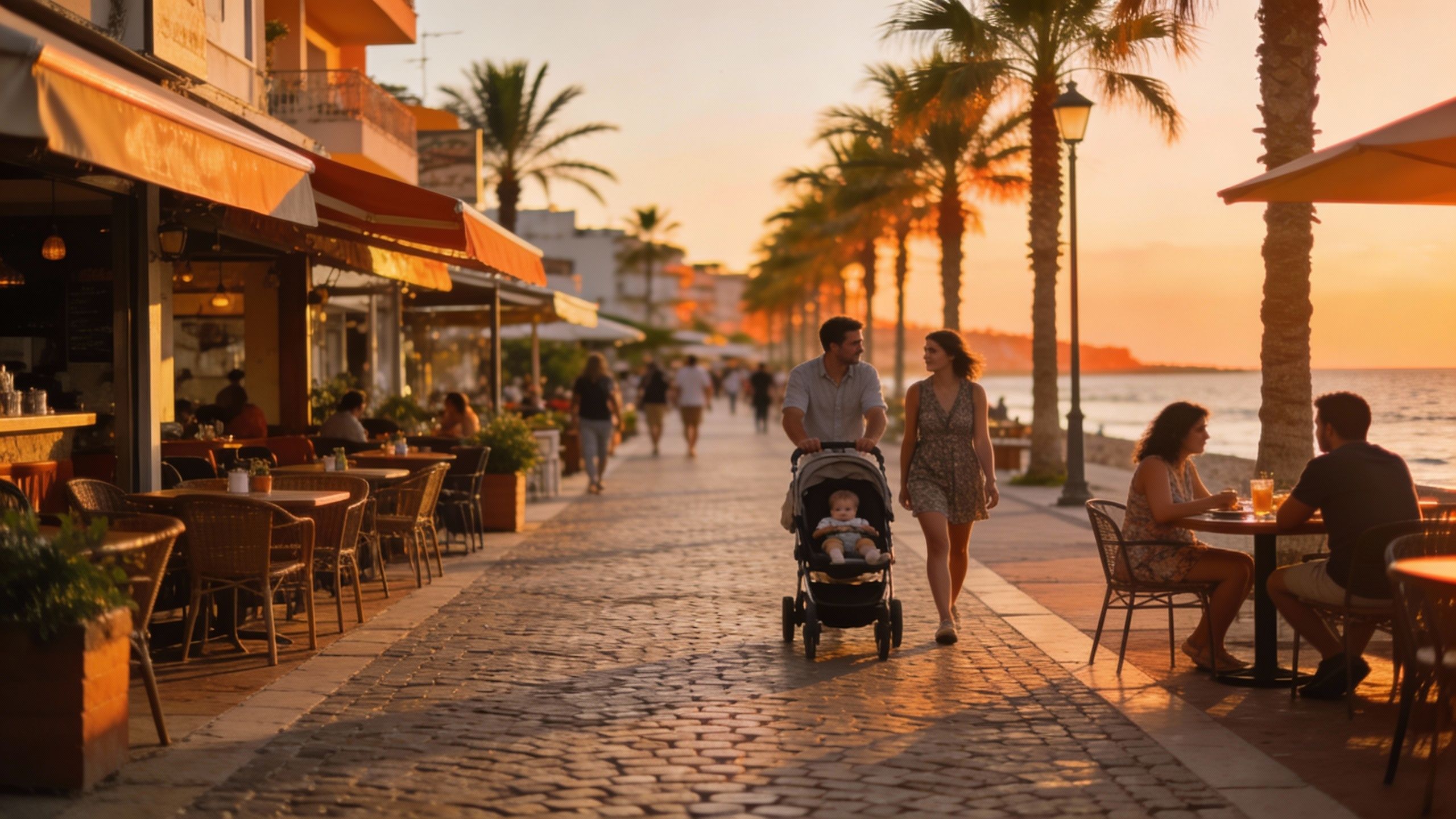
Imagine sipping espresso at a shaded table on Limassol’s buzzing Anexartisias Street, then walking ten minutes to a quieter seaside lane where family-owned bakeries smell of fresh halloumi and sesame. Cyprus feels like a string of neighbourhoods—historic cores, seaside promenades, mountain villages—stitched together by Mediterranean light, lively tavernas, and a slower, social rhythm that makes even routine errands feel pleasurable. That mood is why international buyers arrive dreaming of a sea-view terrace; the data helps decide which terrace actually fits their life and budget.
Living the Cyprus life
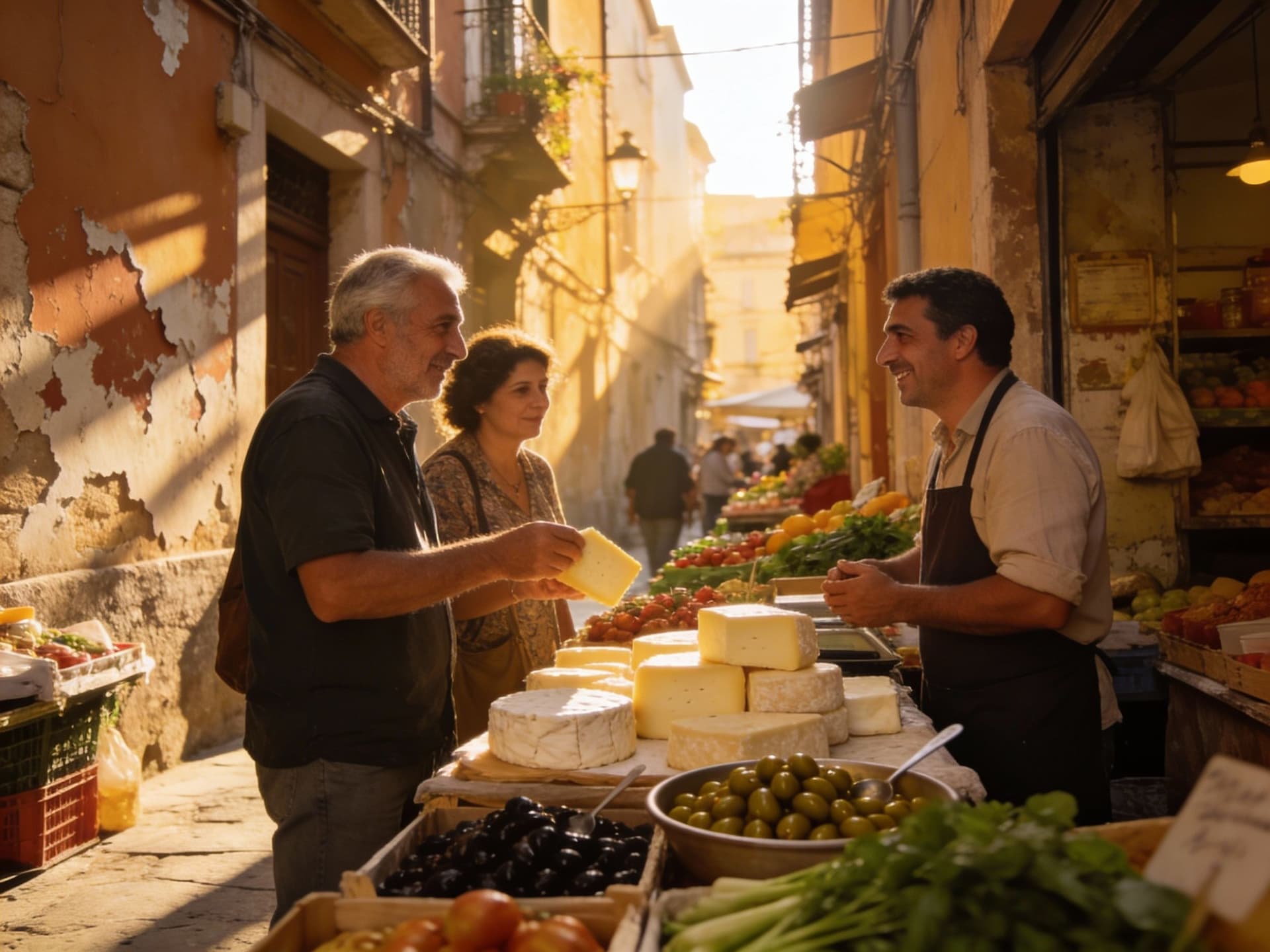
Day-to-day Cyprus is tactile: morning markets in Larnaca’s old town, fisherman unloading catch in Limassol’s marina, Sunday church bells in cozy Tala village near Paphos. Winters are mild, summers long and social; cafés double as neighbourhood salons where people talk about school runs, football results, and property gossip. For buyers, that social texture determines what you want — a terrace for sunset dinners, a compact house near an English-speaking school, or a renovated apartment in a historic street where life hums year-round.
Neighborhood snapshots: where life changes
Limassol is cosmopolitan and waterfront-focused: think promenades, boutique cafes, and new-build towers near the marina. Paphos mixes archaeological lanes and quiet coastal suburbs—popular with British and Scandinavian buyers seeking village calm. Larnaca balances an accessible airport with a restored old quarter and growing food scene. Nicosia is island‑wide administration and urban life, quieter at night but steady for long-term living. Each district has micro-markets: Limassol’s Molos, Paphos’ Kato Paphos promenade, Larnaca’s Finikoudes and Nicosia’s old city lanes.
Food, rituals and seasons that shape property choices
Local rhythms matter: olive‑harvest weekends draw buyers to inland villages; summer festivals make seaside apartments lively (and sometimes noisy). Demand surges around lifestyle events: international schools’ open days, regattas in Limassol, and Paphos’ cultural festivals. The Department of Lands and Surveys shows steady contract growth in recent periods, reflecting both holiday-home and genuine residential demand — a reminder that lifestyle calendars influence both price movement and when to visit.
- Lifestyle highlights to scout in person
- An espresso at Fig Tree Café (Old Town, Paphos) followed by a walk along Kato Paphos waterfront
- Sunday morning at Larnaca Municipal Market sampling halloumi and local olives
- An afternoon in Limassol’s Molos promenade to gauge daytime and evening energy levels
Making the dream realistic: price trends you should know

Here’s the market reality: official indices show prices rising, but not uniformly. The Central Bank’s RPPI reported a 4.8% annual rise in Q1 2025, with house prices accelerating faster than apartments for the first time since 2008. The Statistical Service’s House Price Index recorded a more modest annual increase (2.3% in Q4 2024). What that means for buyers: location and property type matter more than national headlines.
Where growth is concentrated
Independent surveys (RICS/KPMG) and bank data both point to stronger growth in coastal and holiday districts—Paphos and parts of Famagusta—while Nicosia shows stability or slower rises. Limassol remains premium with higher per‑m² levels. For practical decisions this translates to: expect faster short-term appreciation in holiday-oriented coastal pockets, but also higher entry prices and seasonality in rental demand.
Property types and what they cost you in lifestyle terms
Detached houses buy you outdoor living, gardens and quieter neighbourhoods—qualities that have seen house prices accelerate. Apartments deliver proximity to cafés, promenades and easier management. New-build coastal developments trade immediate amenity access for higher per‑m² prices, while renovated townhouses in historic cores offer character plus potential for value-add through tasteful refurbishment.
- Steps to align a lifestyle brief with price realities
- Write a short lifestyle brief (must‑have amenities, noise tolerance, commute, community vibe).
- Match that brief to district-level indices (use Central Bank RPPI and RICS neighbourhood notes) rather than national averages.
- Visit at different times—weekday morning, Saturday evening, and off‑season month—to sense seasonality and rental potential.
- Factor in ongoing costs: local management, insurance for coastal exposure, and seasonal rental marketing where applicable.
Insider knowledge: what expats wish they'd known
Real buyers tell the same story: fall in love with a street, but confirm market signals. Many expats assumed coastal meant constant demand—then discovered micro‑seasonality: apartments near busy beaches can be busy in July and quiet in November. Contracts data from the Department of Lands and Surveys shows the ebb and flow of transactions across districts, a reminder to pair emotional preference with contract‑level evidence.
Cultural and practical adjustments
English is widely spoken in the main expat pockets, but building relationships—neighbours, local builders, municipal offices—pays dividends. Expect a slower bureaucratic tempo: permit approvals and notary processes can take time. Local contractors and agencies who work across both holiday and full‑time markets will steer you away from seasonal traps and toward properties that suit sustainable living.
Longer-term view: what holds value
Data suggests durable value comes from: locations with year‑round amenities, good access to services, and limited new supply. Coastal luxury can appreciate quickly but depends on continued tourism demand; village or suburban homes benefit from local community resilience and lower seasonality risk. Use RPPI and HPI district splits to test hypotheses: where indices show steady, moderate growth, the lifestyle tends to be sustainable.
Conclusion: fall for the life, buy with scrutiny. Cyprus sells a Mediterranean rhythm—sunlit markets, seaside dinners, mountain escapes—but the smartest purchases mix that sensory appeal with district-level data. Start with a brief, cross-check it against RPPI and HPI figures, visit neighborhoods in different seasons, and work with local agents who can translate lifestyle preferences into contracts and clauses that protect you. That’s how you move from imagining a life in Cyprus to living it.
BlueprinteraBritish investor turned advisor after buying in Costa del Sol since 2012. Specializes in cross-border compliance and data-driven investment strategies for UK buyers.
Related Articles
More insights that might interest you
 Villa Curated
 Villa Curated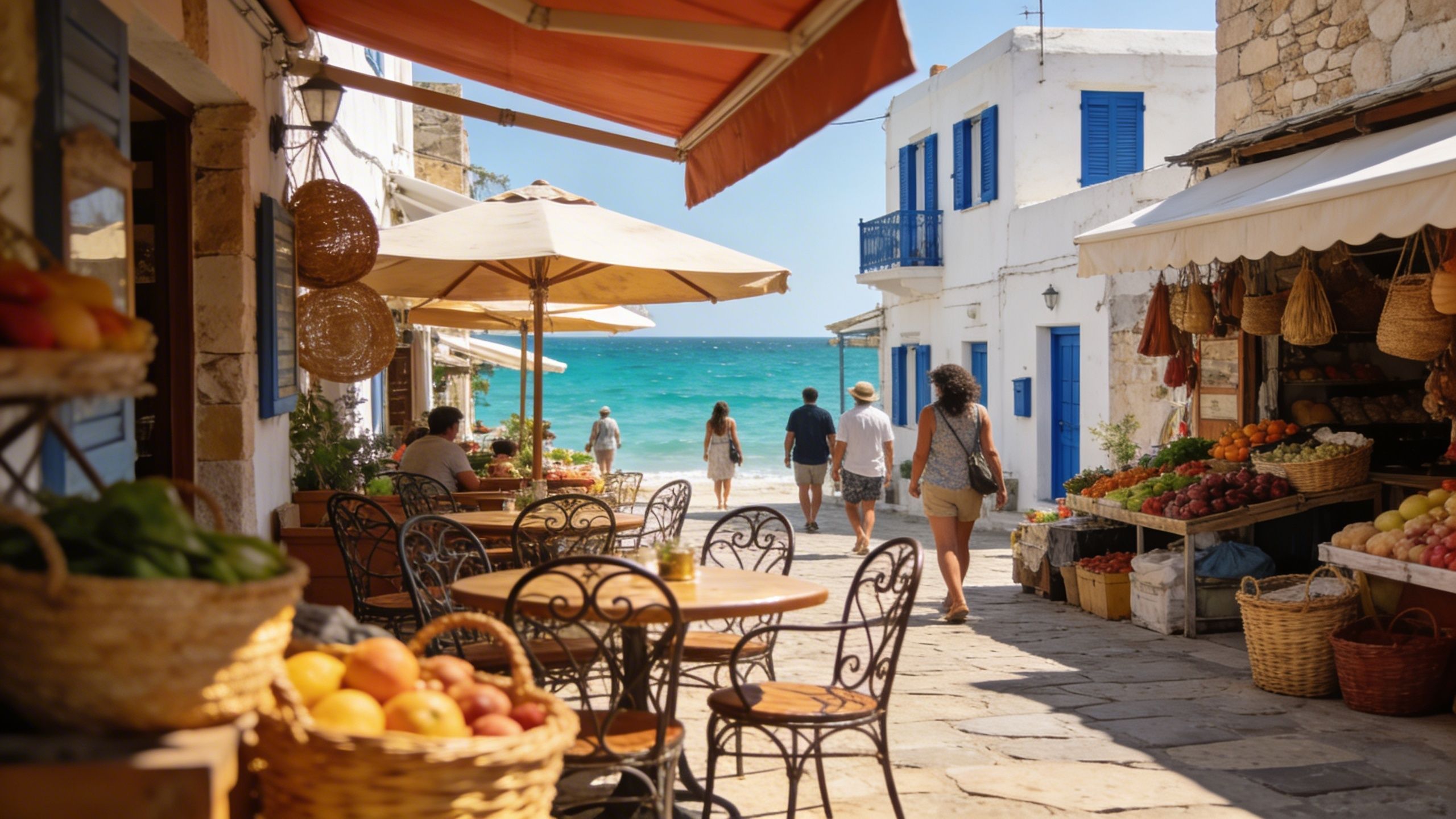
 The Yieldist

