Where Value Hides in Croatia: Coast vs Inland
Croatia’s coastal premium masks inland value—double‑digit price growth on the Adriatic meets quieter, affordable towns. Visit in two seasons, demand micro‑data and pair lifestyle with HPI evidence.
 Blueprintera
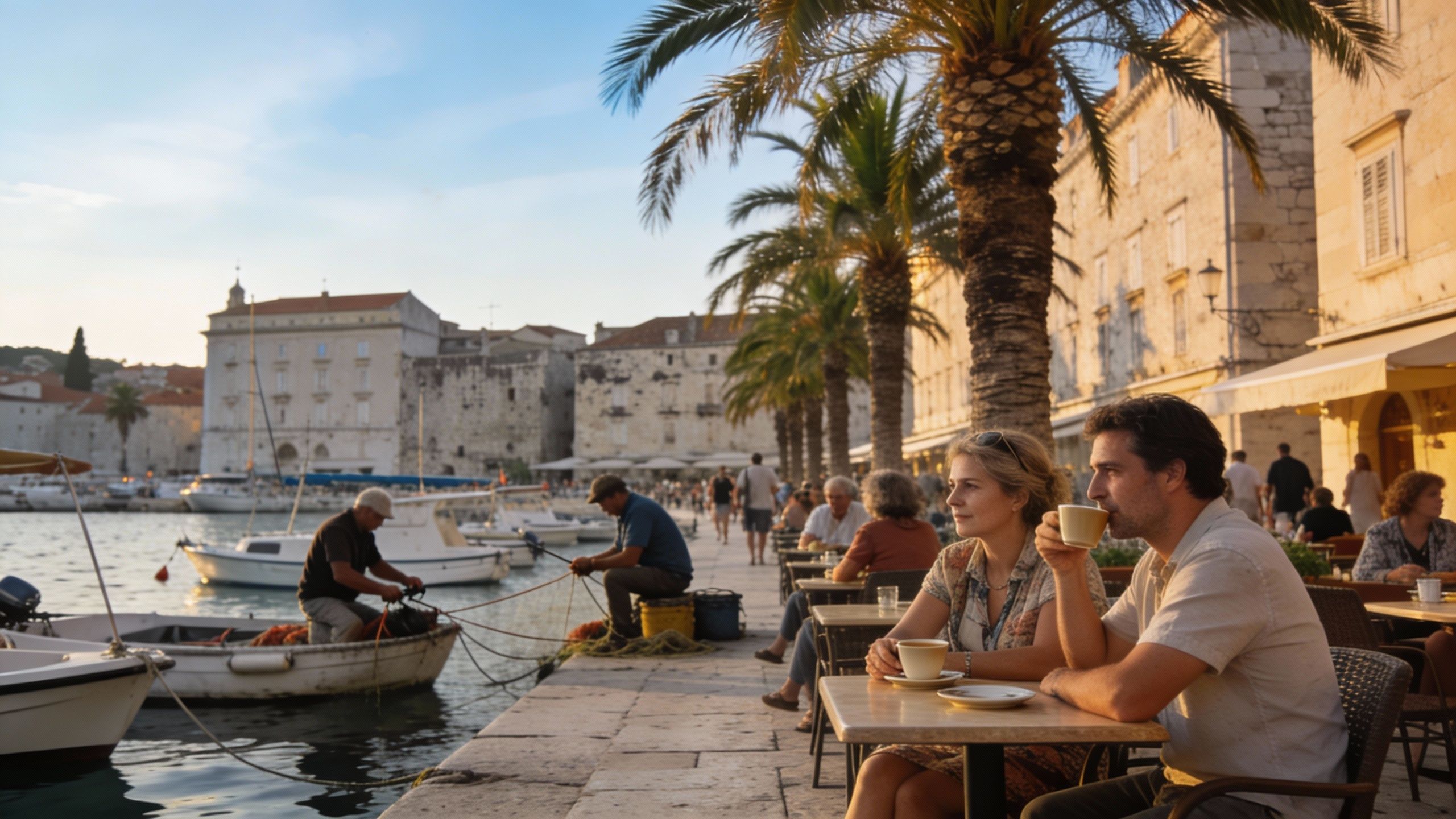
Imagine sipping espresso at sunrise on Split’s Riva, then swapping the afternoon for a quiet stone street in continental Varaždin — Croatia moves between postcard coast and pragmatic inland life. That split personality is the country’s real estate story: intense demand and price acceleration on the Adriatic, with surprising pockets of value away from the tourist glare. For international buyers this means a choice: chase coastal premium or look for lifestyle and price upside where fewer buyers think to look. A few data points change how that choice plays out — and they matter for timing, negotiation and lifestyle fit.
Living Croatia: more than sea‑views
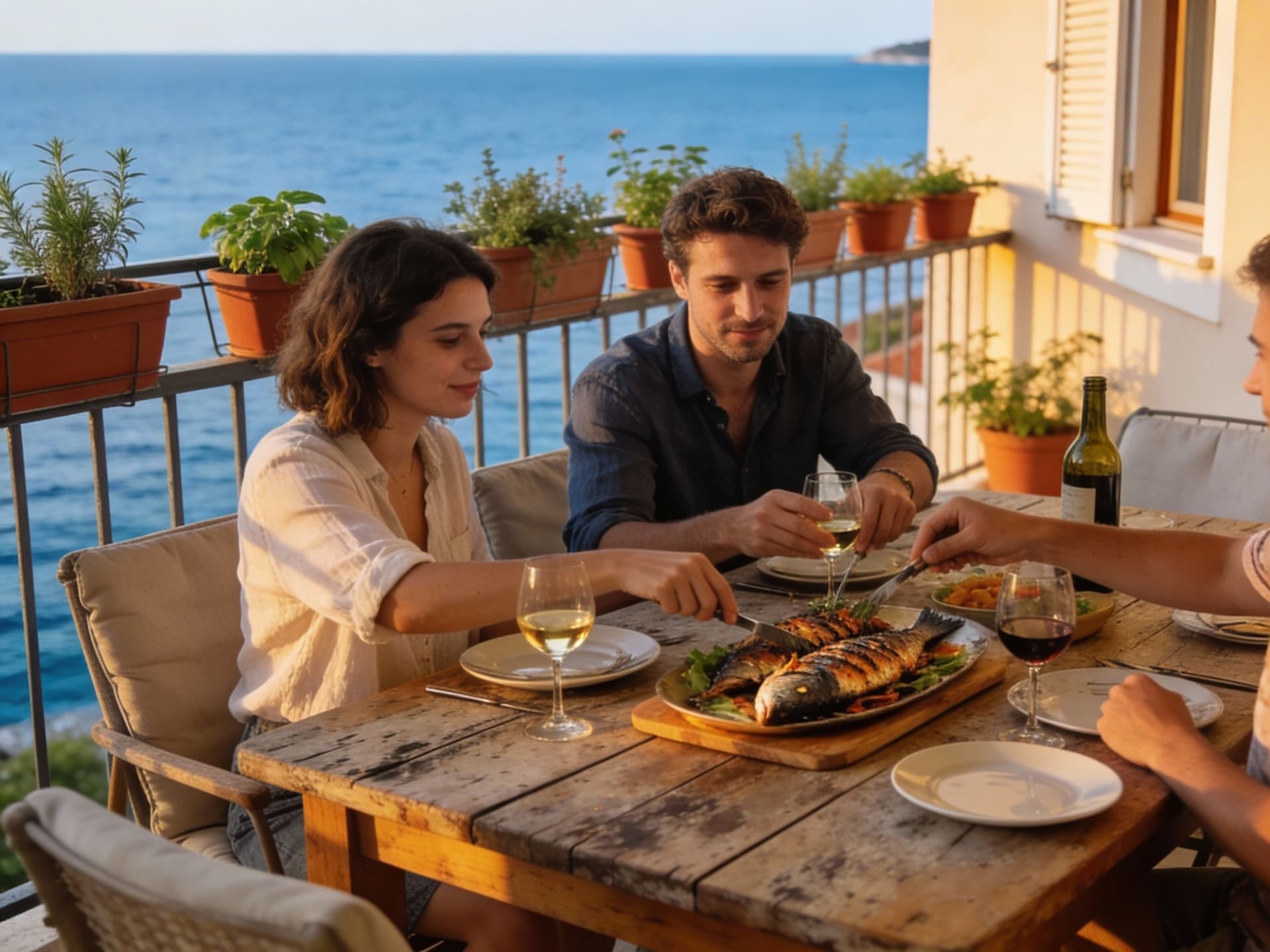
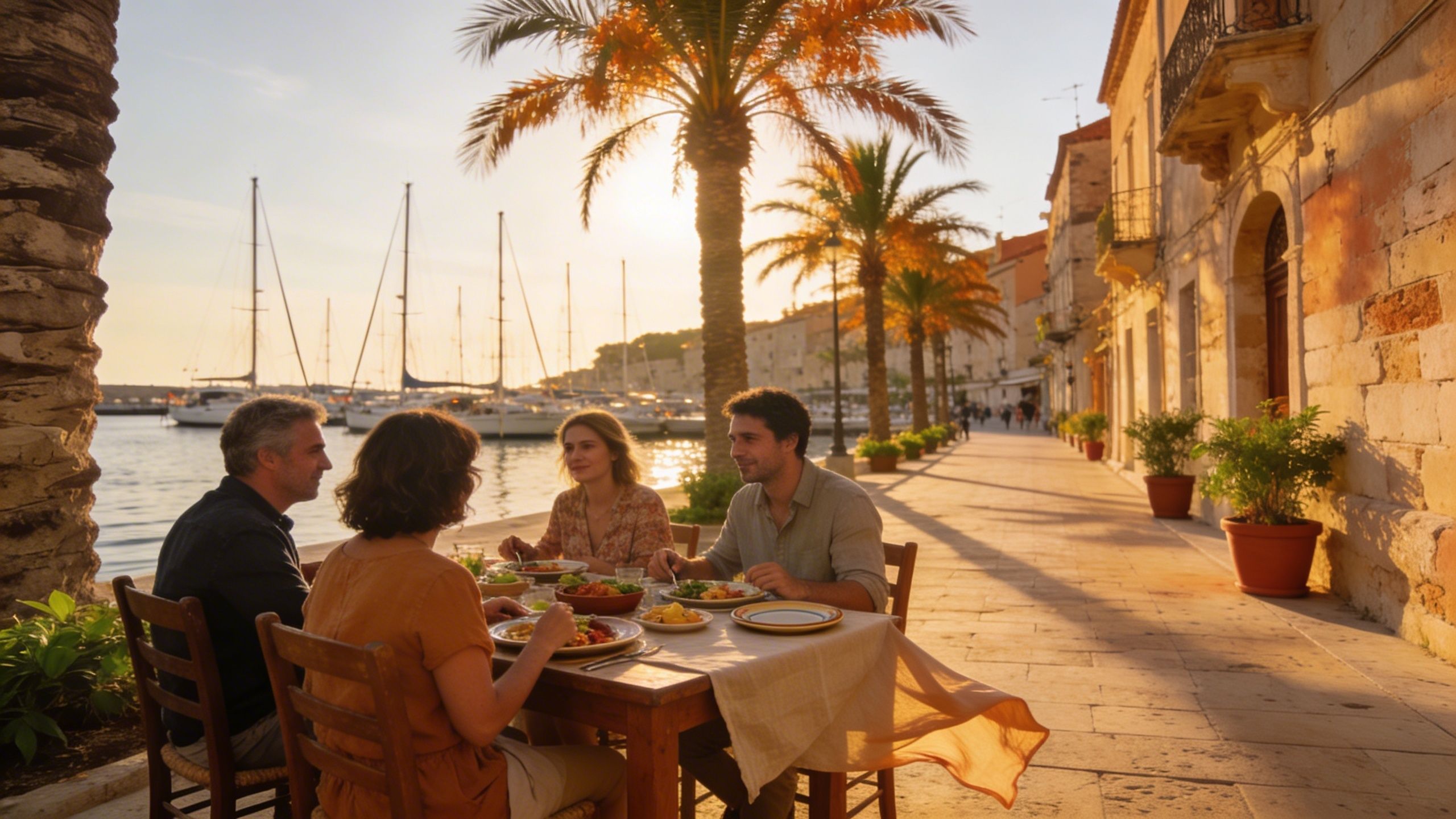
Life in Croatia is textured: mornings at neighbourhood bakeries, late dinners that stretch into island nights, and weekdays shaped by small‑city rhythms. Coastal towns such as Dubrovnik, Split and Hvar pulse with summer visitors and yachting culture, while inland centres — Zagreb, Varaždin, Osijek — offer year‑round services, markets and cultural life. Climate and seasons reframe value: hot, lively summers on the Adriatic make short‑term rental incomes attractive, but they also inflate asking prices during peak months. Understanding where you want to live across seasons changes both what you’ll pay and what you’ll actually enjoy day‑to‑day.
Coastal neighborhoods: split personalities
The Adriatic coast contains micro‑markets. In Split, the Old Town and Bačvice are lively and command higher per‑square‑metre prices tied to beach access and nightlife, while areas like Meje and Varoš offer quieter residential character with narrow streets and family houses. On Istria, Pula’s Roman core and Rovinj’s waterfront command premium buyers pay for historic fabric and tourism infrastructure. These neighbourhood differences mean two apartments a few kilometres apart can show very different rental profiles and resale liquidity.
Beyond the coast: what inland life feels like
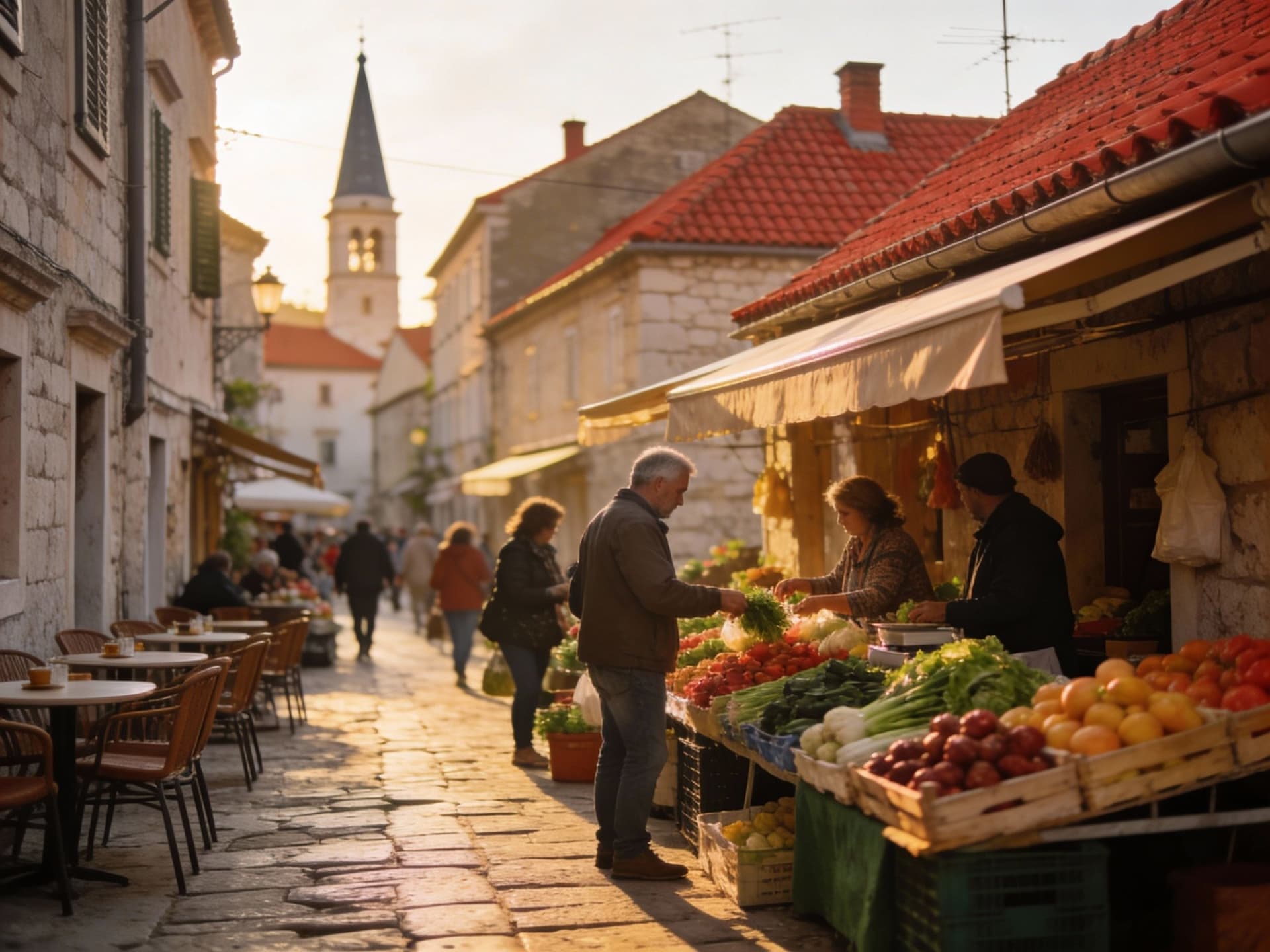
Inland Croatia — think Zagreb, Varaždin, Slavonia — offers markets where everyday life is less seasonal and services are reliable year‑round. You’ll find farmers’ markets that set weekend rhythms, cafés where locals linger over coffee, and cultural calendars that stretch beyond the tourist high season (Croatian tourism data show rising pre‑ and post‑season activity). For buyers wanting stability, inland living reduces vacancy risk and softens price volatility tied to tourism cycles.
- Lifestyle highlights to test in person
- Morning market at Dolac (Zagreb) — fresh produce and weekday rhythm
- Evening promenade on Split’s Riva — social life that peaks in summer
- Airtime on Istria’s backroads — truffle hikes and small‑town wines off the tourist map
Making the move: practical considerations with a lifestyle lens
Croatia’s house price index rose notably through 2024, with annual growth in double digits in many reports — the government DZS HPI recorded a c.10% annual rise in late 2024, while media outlets highlighted especially strong coastal acceleration. That means buyers arriving during high‑season open houses may face inflated asking prices and reduced negotiating power. Use national and local indices to time searches: slow‑season viewings (late autumn/winter) reveal motivated sellers, and inland markets often show gentler appreciation curves.
Property styles: match form to life
Traditional stone houses on Dalmatian islands offer authenticity and terraces for outdoor living, but they can carry higher maintenance and renovation needs due to age and strict conservation rules. New‑build apartments and complexes near Split and Rijeka offer warranties, modern insulation and amenities tuned for year‑round living, yet they command higher per‑m² prices. If you plan to rent short‑term, proximity to marinas and beaches matters; for full‑time residency, reliable utilities and healthcare access inland can outweigh a sea‑view.
Agents and experts: who actually helps you live the life you want
Work with local agents who show both glossy listings and quiet streets — the best ones bring neighbourhood colour, not just numbers. Look for agencies that demonstrate: recent transaction data for the micro‑area, familiarity with seasonal rental performance, and contacts for renovation, energy upgrades and property management. An agent who knows where locals buy — not just where tourists flock — will save you money and find homes that match your lifestyle, be it a seaside terrace or a town apartment near cultural life.
- Practical steps blending lifestyle and transaction sense
- Visit in two seasons: one in high season to feel energy and one off‑peak to assess services and noise levels.
- Ask for micro‑data: recent sold prices on the same street (not broad averages) and short‑term rental occupancy by month.
- Factor renovation into per‑m² comparisons — older stone homes may offer lower asking prices but higher retrofit costs.
Insider knowledge: expats’ real regrets and surprising wins
Expat stories repeat a few patterns: regret over buying sight unseen in peak season, delight at discovering inland towns that offer the same quality of life at 60–70% of coastal prices, and surprise at how regulations and permit timelines slow renovations. Locals sometimes resist mass tourism, which shapes how short‑term rentals are regulated and affects neighbourhood quality. Listening to resident‑level detail — which cafés stay open year‑round, where the ferry is reliably scheduled in winter — is as valuable as price per square metre.
Cultural cues that shape where you’ll fit
Language and pace matter: Croatian is the language of neighbourhood life, and small‑town social norms favour repeated interactions at the market and café. Buying in a community where you participate — even minimally — accelerates integration and often improves your quality of life. For buyers who want an instant expat bubble, larger cities and island hotspots have established international communities, but they also come with higher transactional competition.
Longer‑term view: where value is likely to come from
Macroeconomic drivers — rising tourism, constrained new supply in coastal towns and stronger regional incomes — supported Croatia’s price growth through 2024. Yet pockets of value remain where infrastructure improvements, rail links or municipal revitalisation projects are underway. If you favour capital growth, target cities and well‑connected coastal towns; if you favour lifestyle with lower cost, explore inland historic towns, smaller islands with limited supply, or peri‑urban neighbourhoods near Zagreb.
- Red flags and practical checks before you sign
- Unfinished permits or ambiguous ownership chains — always request registry extracts and recent utility bills.
- High summer asking prices on coastal listings — compare sold prices from off‑season months.
- Promises of guaranteed rental yields — ask for actual occupancy records and monthly breakdowns.
A personal note: buyers who slowed down, visited outside peak season and asked for street‑level sold data consistently found better deals and homes that matched their daily lives. Croatia’s appeal is immediate — sea, food, sun — but the smartest purchases blend that romance with small, local facts. Start by feeling the place in two seasons, ask for micro‑level data from your agent, and plan renovations or management with realistic timelines.
If Croatia feels like the right life, move from dreaming to decisive steps: schedule two site visits in different seasons, ask your chosen agency for street‑level sold prices and occupancy data, and engage a local notary and surveyor early. Those steps turn romance into an investment you’ll actually enjoy. An agent who can show you both a summer terrace and a winter street scene — and back their advice with data — is worth the fee.
BlueprinteraBritish investor turned advisor after buying in Costa del Sol since 2012. Specializes in cross-border compliance and data-driven investment strategies for UK buyers.
Related Articles
More insights that might interest you
 Villa Curated
 Villa Curated
 The Yieldist

