Why Buying in Croatia's Summer Is Often a Mistake
Summer’s postcard charm inflates prices in Croatia; buy in shoulder months, model conservative net yields, and favour locations with year-round demand. Data-backed steps included.
 The Yieldist
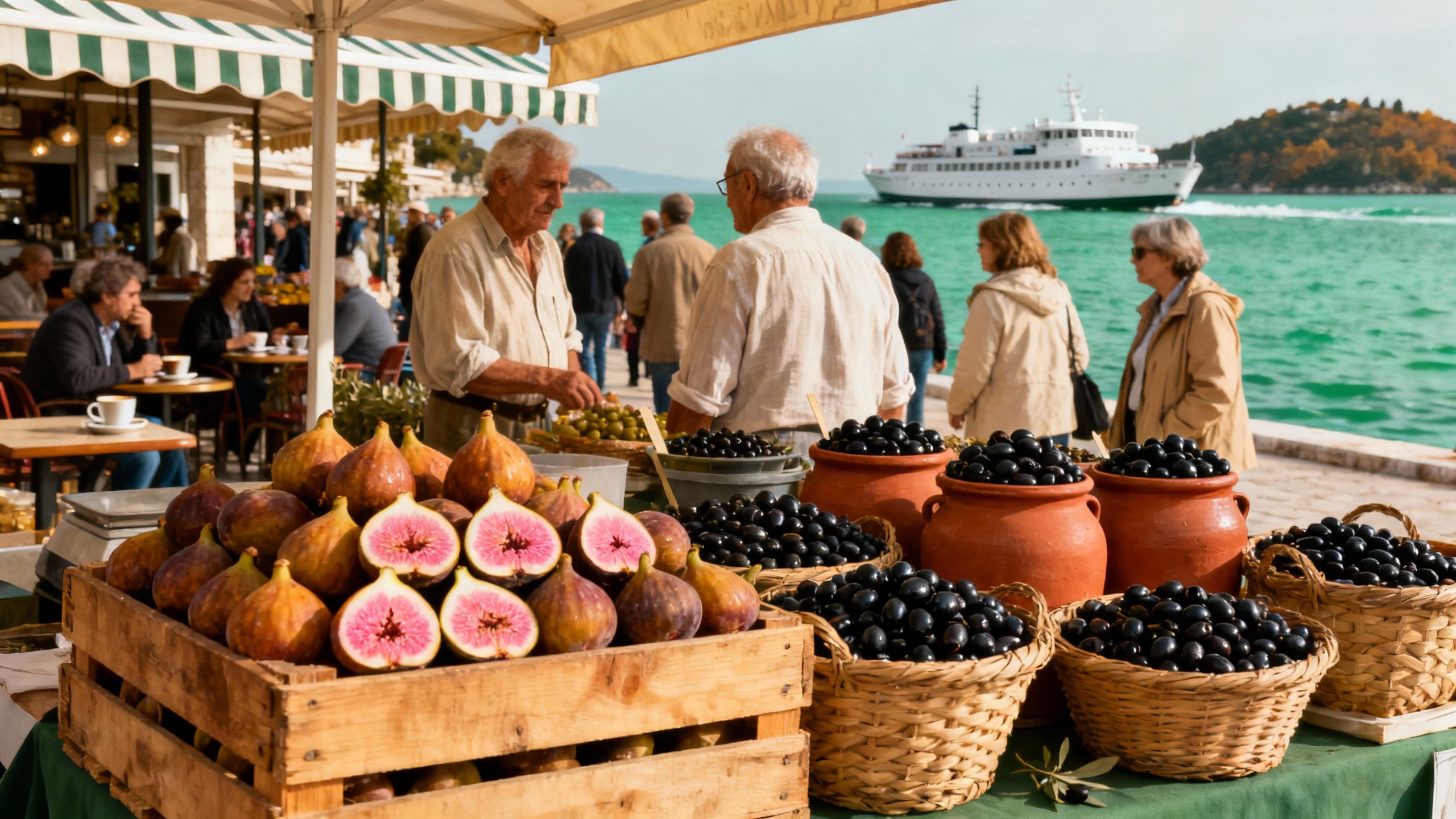
Imagine an early June morning in Split: espresso steamed at Pitako on Marmontova, fishermen unloading tuna at the Riva, and lanes still quiet before the ferry crowds arrive. That compressed, sunlit summer image sells Croatia to buyers—yet it also skews how investors price risk. Buying at the peak-season high often means paying for a three-month mirage. This guide explains why the summer spectacle misleads buyers, what the real-year economics look like, and how to match lifestyle dreams with measured investment decisions.
Living Croatia: the parts that make you stay
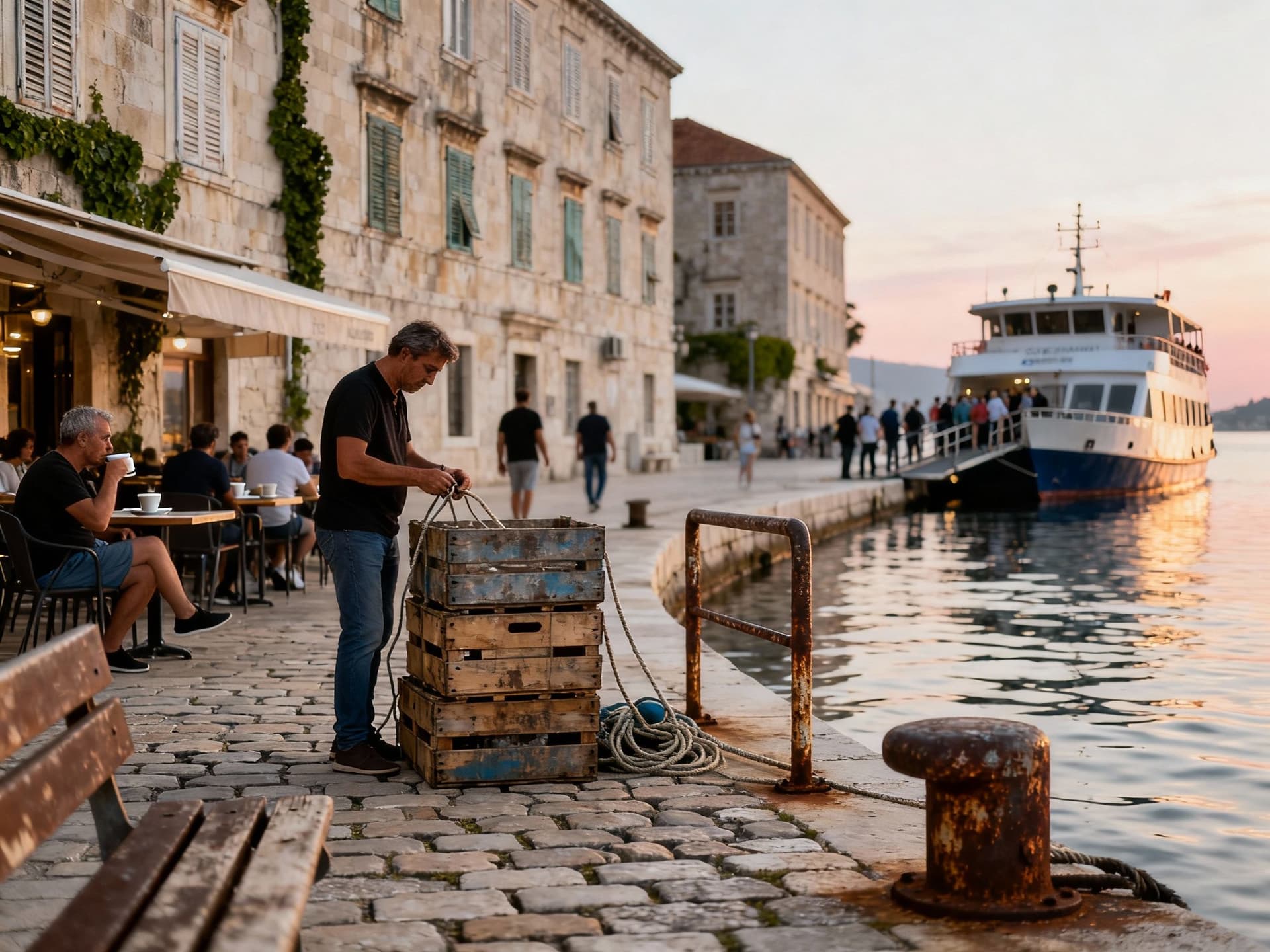
Croatia’s lived rhythm is split between Adriatic summers and a calmer off-season. Streets pulse in July–August; by October cafés in Dubrovnik’s Old Town reclaim their tables for residents. For a buyer, that split matters: experiences you fall in love with (island hopping, coastal markets, seafront promenades) are seasonal, while returns and occupancy that determine yield behave year-round.
Coastal towns: curated bustle and seasonal premiums
Places like Hvar’s town harbour, Rovinj’s cobbled core, and Split’s Bacvice draw premium prices because they convert perfectly to holiday imagery. Narrow streets, boutique konobas (try Konoba Batelina near Pula for truffle-adjacent seafood), and marina access drive summer ADRs (average daily rates) but also create vacancy risk outside seasonality.
Inland and city options: steadier cash flow
Zagreb, Osijek and Varaždin show more even occupancy across months. The Croatian Statistical Office reports meaningful growth in continental overnight stays in 2024—a signal that city and inland properties often produce steadier year-round rental performance than coastal holiday lets. For lifestyle buyers who want café life without the summer premium, consider streets like Zagreb’s Tkalčićeva or coastal gateway towns like Zadar.
Making the move: when summer’s glow becomes a trap

Buyers who shop in July pay at the market’s emotional peak. Data-driven investors instead map seasonally adjusted prices and projected net yields. Policy moves—like Croatia’s 2024 proposal to shift tax burden toward property to tackle housing shortages—also alter total cost of ownership and the relative attractiveness of short-term letting versus long-term leases. Summer visits rarely reveal such policy tailwinds or headwinds.
Why summer viewings overprice assets
Listings photographed at high season show full terraces, restored facades, and busy cafes—factors that nudge sellers to ask more. Agents commonly use peak-season comparables to benchmark asking prices. Yet when you annualise revenue and net out VAT, municipal taxes, maintenance and off-season vacancy, the cap rate compresses. Asking prices based on three months of peak demand inflate long-term return expectations.
Property types and true yield profiles
Studio apartments in seaside historic cores command high nightly rates but depend on summer peaks; modern two-beds with parking at peripheral coastal towns or in Zagreb trade at lower headline prices but deliver higher annual occupancy. For investors focused on income, target assets that balance seasonal ADR with a base occupancy of 40–60% outside the summer months.
Lifestyle-aware factors that affect returns
- Proximity to ferry/port (peak tourist convenience vs winter service reductions)
- Street orientation and shade (summer comfort raises guest reviews, but winter heating costs matter)
- Local amenities year-round: markets, banks, doctors (these underpin long-term rentals)
Insider knowledge: practical steps for a season-aware purchase
Treat Croatia as a dual-market: lifestyle (seasonal demand) and portfolio (annualised yield). Use a deliberate, three-step approach to avoid summer bias—inspect in shoulder months, model conservative net yields, and validate with local agents who show off-season occupancy data.
Step-by-step: season-aware purchase checklist
- Schedule a property visit in shoulder months (April/May or October/November) to see actual resident life, transport frequency, and noise levels.
- Ask for 12-month booking calendars and municipal data on seasonal services (ferries, waste collection) — insist on owner/agency-provided occupancy and expense records.
- Model net yield with conservative ADR assumptions (discount peak ADR by 30–50% and include utilities, management, and a contingency for off-season vacancy).
How to work with agencies without buying the summer story
Local agencies are essential—but vet them for data discipline. Request anonymised booking ledgers, ask which neighbourhood streets perform year-round, and favour agents who show multi-year income statements rather than glossy summer galleries. Agencies with local property managers who operate long-term lets (tenancies 10+ months) typically understand true occupancy economics.
What expats say they wish they'd known
Expats repeatedly tell the same story: they bought for the view and discovered maintenance, winter costs, and local permit friction. One owner in Rovinj told me she loved the summer crowd but struggled to find winter renters; she pivoted to long-term rentals and local partnerships with schools to stabilise income. That kind of practical adaptation turns a seasonal romance into a durable investment.
Long-term picture: policy, tourism and market direction
Tourism growth and government attempts to rebalance housing supply will continue to shape returns. Expect increasing regulation around vacant properties and incentives for long-term leases—factors that improve rental supply but may compress short-let margins. For investors, the winning strategy is to align property type and location with an anticipated regulatory path.
- Target city or mixed-use coastal towns for steadier occupancy (Zagreb, Zadar, Pula).
- Prefer properties with off-season utility efficiency and indoor comfort over purely aesthetic seaside terraces.
- Plan for 10–12% transaction and compliance costs (taxes, notary, agency, obligatory upgrades) when modelling returns.
- If you want income first: prioritise 2-bed moderns near transport and services; if lifestyle first: expect lower net yields and budget for higher holding costs.
Conclusion: Croatia sells in summer but pays year-round. Walk the streets in shoulder months, demand evidence beyond glossy summer photos, and align property type to the revenue profile you need. The best buys are where lifestyle aligns with sustainable occupancy—not just where the postcards look best.
The YieldistDanish relocation specialist who moved to Cyprus in 2018, helping Nordic clients diversify with rental yields and residency considerations.
Related Articles
More insights that might interest you
 The Yieldist
 Blueprintera
 Ashworth & Drake