
Why Greece’s Golden‑Visa Shift Repriced Coastal Yields
Greece’s sun and culture attract buyers—but post‑2024 policy shifts and yield compression mean the smart buyer prioritises net‑yield models and micro‑market data.
 The Yieldist
Imagine sipping strong, syrupy espresso at a sidewalk table in Koukaki as mopeds thread past and a church bell tolls midday—the light on the Acropolis sharp, the neighbourhood humming with students and working families. That mix of ancient stone and everyday life is Greece: sunlit beaches, neighbourhood kafeneia, late dinners, and a property market that feels both romantic and oddly technical. For an investor, the romance is the draw; the data is the decider. Recent market analysis shows rents rising but yields compressing, and policy changes have reshaped which areas deliver real returns.
Living Greece: streets, seasons and small‑scale rhythms

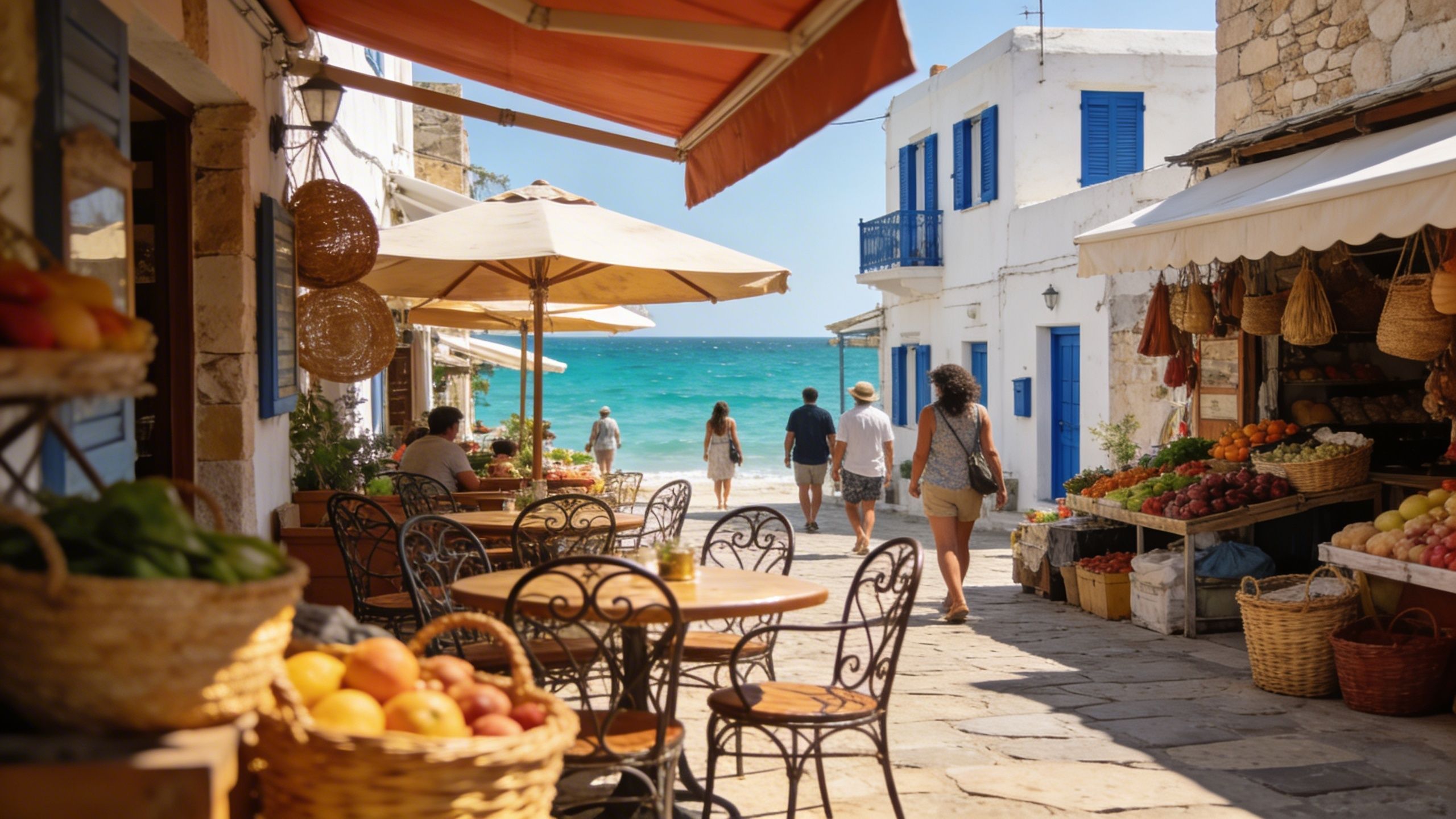
Greece is lived at street level. Morning fruit markets in Plaka, late‑night tavernas in Exarcheia, and Sunday promenades along the Athenian Riviera define how people use space—and what tenants want. Summers swell with tourists on Mykonos and Santorini, but most Greeks live in apartment blocks where balconies are extensions of living rooms. That social pattern influences demand: compact, well‑located apartments rent year‑round in Athens; island seasonal peaks favour short lets but invite regulatory risk.
Neighbourhood spotlight: Koukaki, Kolonaki, Voula
Koukaki: narrow streets, cafes and proximity to the Acropolis make it tenant‑friendly for young professionals and short‑stay visitors. Kolonaki: designer shops and embassies, pricier per square metre but steadier long‑term rentals to executives. Voula/Vouliagmeni on the south coast: resort feel, higher prices per sqm (Vouliagmeni often exceeds €7,000/m²) and strong seasonal demand—good for capital appreciation but weaker net yields once costs and vacancy are included.
Food, markets and the weekly rhythm
Sunday market at Varvakios for fresh fish; evening ouzo in Piraeus; seaside kafeneio culture in Crete and Corfu—the social calendar affects occupancy patterns, with local renters favouring full‑year contracts and tourist tenants clustering in summer months.
Island weekends (Naxos, Paros) that swell short‑term rental rates from May to September, compressing off‑season yields.
Urban conveniences in Thessaloniki and the northern suburbs: universities and hospitals provide stable year‑round rental demand.
Making the move: how macro shifts reprice neighbourhoods

Policy changes and macro dynamics—not just sunsets—reprice Greek real estate. In 2024 the government raised residency‑by‑investment thresholds; concurrently, sales prices rose nationally (RE/MAX reported ~6.5% growth in 2024). Rents have increased but generally lag sales, so gross yields averaged around 4.5% nationally in recent quarters. That creates a two‑speed market: high prestige coastal districts see faster capital growth but lower immediate yields; central urban locations deliver steadier income.
Property types and what they mean for returns
Studio and one‑bed apartments close to transport nodes rent quickly and show higher gross yields (often 5–7% in tight micro‑markets). Larger seafront villas or luxury Cycladic homes appreciate strongly but carry higher holding costs, seasonal vacancy and management friction—reducing net yield. Renovation projects in Athens’ central districts can lift rental value rapidly if timed with demand for modern units among young professionals.
Working with experts who understand both life and numbers
Hire a local agent experienced in tenancy types (long‑term vs short‑term), a legal adviser familiar with the post‑2024 Golden Visa rules, and an independent valuer to stress‑test projected yields against real vacancy and maintenance costs.
Insist on run‑rate modelling: show gross yield, expected net yield after management fees (8–20%), property tax, insurance, and an allowance for 2–3 months vacancy annually in island markets.
Negotiate repair credits in contract for older buildings—Greek apartment blocks often require co‑op approvals for major works, which affects renovation timelines and costs.
Insider knowledge: the practical surprises expats overlook
Expats say they underestimated bureaucracy, seasonal rhythm and the local focus on community relationships. Expect slower administrative processes than in some northern European countries; expect neighbours to matter. The good news: community engagement makes properties in tight‑knit districts more resilient in downturns because local demand is stable.
Language, social cues and daily life
You don't need fluent Greek to live well, but learning basics (hello, please, and thanks) opens doors. Social life centres on food and gatherings; invitations from neighbours or café owners often translate into word‑of‑mouth lettings and local maintenance help—both valuable for an absentee landlord.
Seasonality, risk and a contrarian timing tip
Counter‑intuitively, buying immediately before high tourist season can be a poor tactic: prices spike in spring as buyers chase listings for summer, while effective rents are front‑loaded to peak months and management costs climb. A better buy window can be late autumn or winter when motivated sellers price accurately and you can assess year‑round operating costs; markets show yield compression during peak months despite headline glamour. Data from market trackers show gross yields in H1 rising but net returns tightening after costs.
Practical checklist before making an offer:
Verify recent comparable rents (not advertised tourist rates) and calculate net yield with conservative vacancy.
Confirm zoning and restrictions introduced with the 2024 Golden Visa overhaul—some islands now require higher thresholds and short‑let limits; check local municipality rules.
Obtain an independent building inspection and estimate for co‑op repairs; factor in 5–10% annual contingency for older blocks.
Data‑backed reality: what the numbers say
Recent reports show national price growth circa 6% year‑on‑year in 2024 (RE/MAX) and countrywide gross yields averaging ~4.5% (Spitogatos/Global Property Guide). High‑end coastal suburbs register much higher per‑sqm prices but yield compression; central Athens and university towns show steadier income streams—an important trade‑off for yield‑focused investors.
Conclusion: Greece sells a lifestyle; the smart buyer buys the math. If you fall in love with the light, lock the numbers. Prioritise micro‑market rental data, factor in policy shifts like Golden Visa thresholds, and partner with advisers who can translate kafeneio‑level local knowledge into reliable yield forecasts. Start by shortlisting 3 neighbourhoods (one urban, one suburban, one island), run net‑yield models for each, and move forward from evidence—not just emotion.
The YieldistNorwegian market analyst who relocated from Oslo to Mallorca in 2016, guiding Northern buyers through regulatory risk, currency hedging, and rentability.
Related Articles
More insights that might interest you

 Villa Curated
 Villa Curated
 The Yieldist


