Croatia’s Split Rhythm: Seasonality, Neighbourhoods & Yield
Croatia’s split-season character changes returns: use neighbourhood-level comps, three‑scenario cashflows and local expertise to protect yield while living the Adriatic life.
 The Yieldist
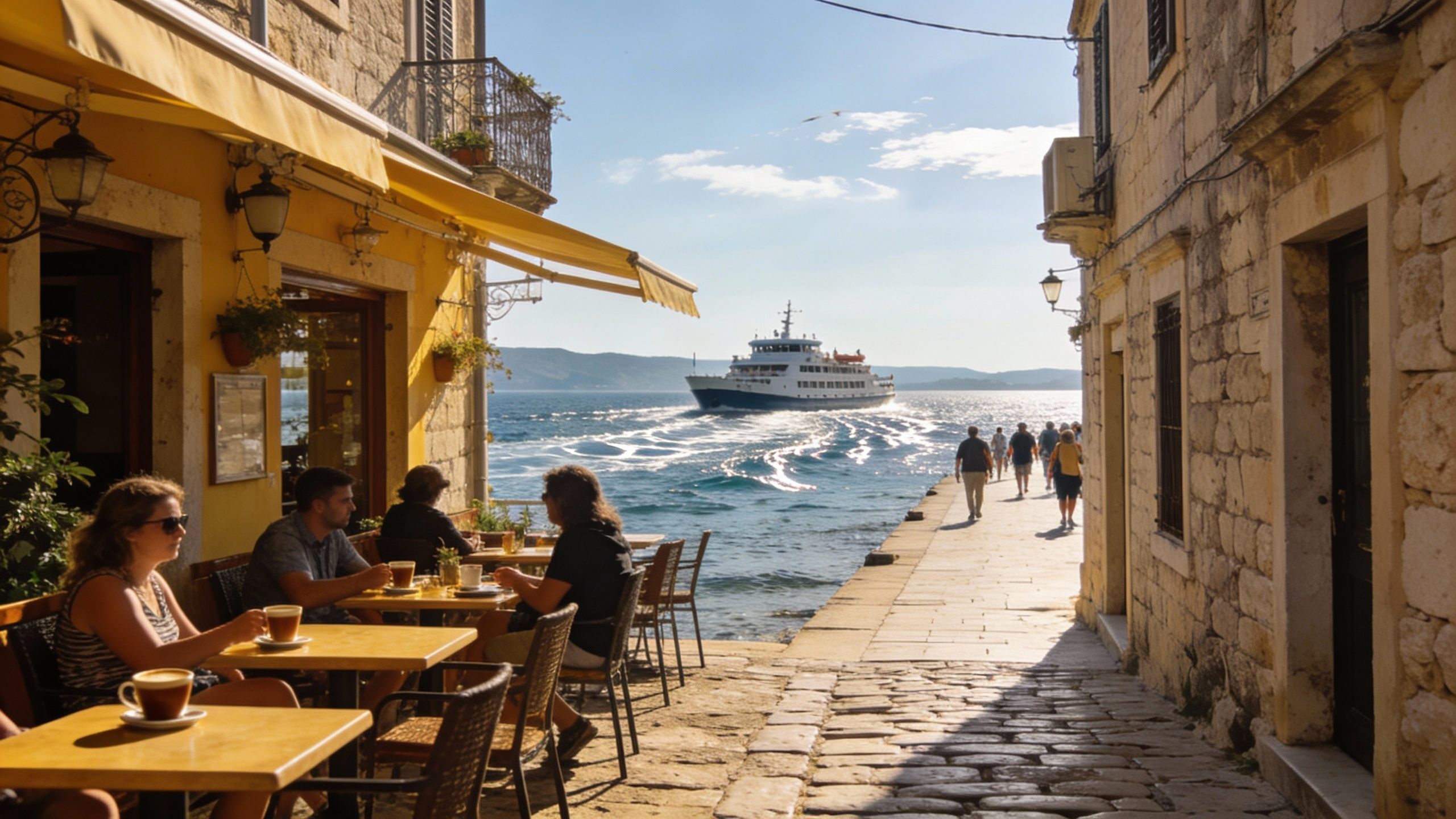
Imagine sipping an espresso at a stone table in Zagreb’s Tkalčićeva, then catching a late-afternoon ferry to Split where the Riva hums with aperitifs and fisherman’s boats. Croatia moves between quiet continental mornings and intense Adriatic summers — a split personality that shapes property demand, rental seasons and yields in ways international buyers often underestimate.
Living the Croatia lifestyle — a dual rhythm

Daily life in Croatia is defined by seasons and scenes: continental mornings of market stalls in Zagreb and Varaždin, Adriatic afternoons of island-hopping and evening fish roasts on Korčula. Tourism reached record scale in 2024–25, with strong pre- and post-season growth that matters for yield calculations — more nights outside July–August means shorter vacancy risk than many buyers assume. (See government tourist data.)
Zagreb vs. Dalmatian coast: different promises
Zagreb offers steady year-round demand from business travel, events and students; Dalmatian cities (Split, Zadar, Dubrovnik) spike in high-season leisure income. That means a strategy that works in Zagreb — longer lets, predictable rents, capital appreciation from urban revitalisation — won’t translate directly to an island villa dependent on June–September bookings.
Neighborhood textures: from Gradec lanes to Split’s Varoš
Walkability, street life and micro‑scale amenities define local appeal. In Zagreb, Gradec and Gornji Grad sell stability; in Split, Varoš and the waterfront Riva sell tourism premium; in Istria, Rovinj’s old town sells boutique demand. These micro-choices drive price per sqm, tenant mix and permitted short‑term rental potential.
- Lifestyle highlights: markets, beaches and hidden corners - Hrelić flea market (Zagreb) and Dolac fruit stalls for authentic city life - Bačvice beach (Split) for local swims and evening socialscene - Rovinj’s cobbled lanes and candlelit konobas for premium short‑let demand - Small islands like Brač and Vis for quieter long‑season rentals - Local konobu dining (fresh-caught fish, pašticada) as daily lifestyle - Weekend culture: open-air festivals, olive harvests, and winter Christmas markets
Making the move: practical considerations that preserve yield

The romance of Adriatic light is real, but so are cap rates, seasonality and legal constraints. Use tourist flow data and local price per sqm to stress‑test rents for three scenarios: high‑season peak, shoulder‑season average and cold‑season baseline. Croatia’s improving pre/post-season performance reduces vacancy risk, but the split between coastal and inland demand requires distinct underwriting assumptions.
Property styles and how they affect returns
Stone apartments in old towns command premium per sqm but suffer lifecycle maintenance and stricter heritage rules; new builds on city edges offer easier management and steadier yields. The local tendency toward family cohabitation and limited domestic supply has pushed city prices up — another reason to compare gross yields with maintenance‑adjusted net yields before you buy.
- Working with local experts: six steps to protect yield 1. Commission local market comps (price per sqm and recent transactional data). 2. Ask for segmented occupancy projections (high, shoulder, low season). 3. Confirm short‑let permissions and municipal zoning rules where relevant. 4. Calculate total cost of ownership: utilities, municipal contributions, insurance and maintenance. 5. Insist on English translations of contracts and a notarised purchase plan. 6. Build a 10–15% contingency for renovation and seasonality-driven capex.
Insider knowledge: expat lessons and counter‑intuitive truths
Expat buyers often overpay for sea views and ignore urban pockets that deliver better cash flow. A quiet street in Split’s Pujanke or a renovated block in Zagreb’s Maksimir can outperform a flashy waterfront listing when you include management ease, year‑round demand and operating costs.
Cultural integration and the small rules that matter
Learning a few Croatian phrases, timing renovation work around local holidays, and using local tradespeople will save time and cost. Neighborhood social norms — shared courtyard use, garbage schedules, summer street festivals — affect tenant satisfaction and turnover more than you might expect.
Long‑term view: why Croatia belongs in a diversified real‑estate sleeve
Croatia’s EU membership, rising tourism outside peak months, and growing regional connectivity support capital appreciation. But returns are uneven: coastal short‑lets can produce high gross yields in summer while city apartments produce steady net yields year‑round. Treat Croatian assets as complementary — use coastal for seasonal upside and urban for ballast.
- Red flags and quick checks before signing - Confirm legal title clarity and absence of encumbrances. - Verify whether a property is in a protected heritage zone (limits renovations). - Check access in winter months (some island roads/ferries have reduced service). - Insist on multi-year occupancy data for comparable rentals, not just single summer seasons. - Compare advertised gross yields to net yields after management and maintenance.
Picture life six months after moving: morning markets, weekend island trips, a reliable property manager handling bookings while your urban apartment collects steady rent. Croatia rewards those who pair lifestyle intention with rigorous underwriting.
Next steps: commission local comps, model three-season cashflows, and speak to an agency with documented short‑let compliance experience. If you want, start with a scoped feasibility: 12‑month occupancy scenarios, expected yield bands, and a renovation budget tailored to the neighbourhood you love.
The YieldistDanish relocation specialist who moved to Cyprus in 2018, helping Nordic clients diversify with rental yields and residency considerations.
Related Articles
More insights that might interest you
 Villa Curated
 Villa Curated
 The Yieldist


