
Where France’s Visas Actually Let You Live (and Love)
How regions where French long‑stay visas meet nomad life—practical residency routes, market timing and neighbourhood secrets backed by France‑Visas and Notaires data.
 MoveSettleGo
Imagine sipping an espresso on Rue des Rosiers in Le Marais, popping into Marché des Enfants Rouges for fresh chèvre, then wandering to a sunlit coworking space with fibre-fast internet. That slow, delicious rhythm—markets at dawn, aperitif at dusk—is what pulls nomads to France. But lifestyle first doesn’t mean naive: visa rules, timing and local market pulses change the way you buy. Here’s a contrarian, visa-forward look at regions that actually simplify residency while delivering the food, culture and work-life you crave.
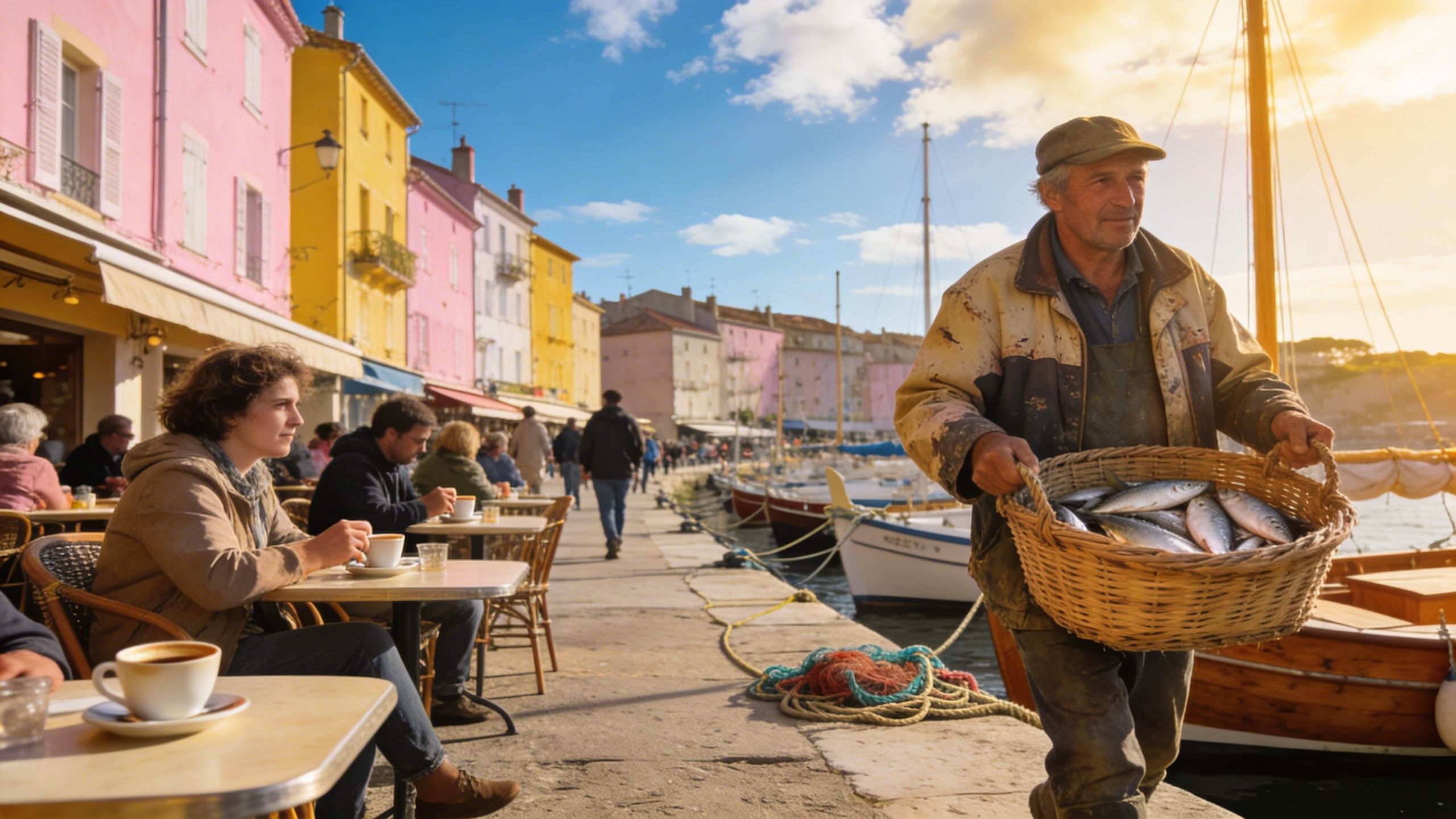
Living the France lifestyle: city cafés, coastal mornings

France is not one mood; it’s a playlist. Paris hums with curated museums and late-night wine bars; Lyon smells of bouchon garlic and weekend marché; the Côte d’Azur offers morning swims before work and rooftop sunsets. For digital nomads the draw is practical as much as poetic—cafés that accept laptops, coworking nodes in mid-sized cities, and neighbourhoods where daily life happens on foot.
Paris pockets and provincial towns: contrasting vibes
Le Marais and Canal Saint-Martin offer independent bookstores and coffee shops with fast Wi‑Fi; Montparnasse still has old-school creperies and easier budgets than central arrondissements. Outside Paris, places like Bordeaux’s Chartrons or Aix-en-Provence around Cours Mirabeau pair market life with reliable internet and quicker access to nature. These pockets let you work focused hours and reward free time with real, local routines.
Coast, country or mountain: what season tells you about life there
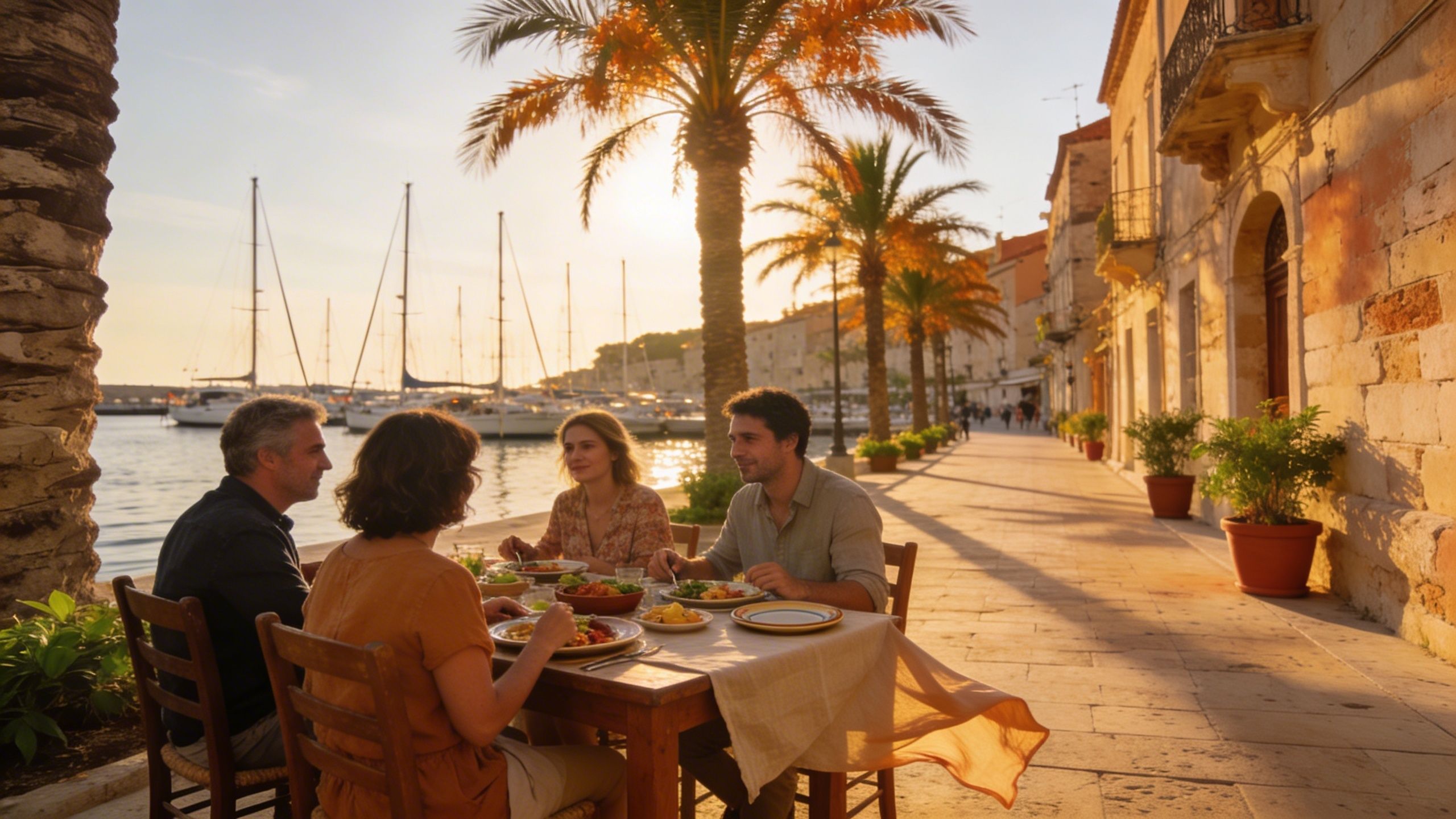
Biarritz and the Côte Basque pulse in summer but become calm, community-driven in autumn—perfect for long stays. The Alps switch from ski-season frenzy to quiet hiking months; Provence’s lavender-scented shoulder seasons show why many nomads prefer spring and autumn house-hunting. Think beyond sightseeing: pick a season that matches how you want to live, not how tourists want to visit.
- Lifestyle highlights to scout in person: - Morning market at Marché Forville (Cannes) and a nearby café with outdoor seating - Canal-side breakfasts at Canal Saint‑Martin, Paris - Sunset walks on Plage du Prado, Marseille - Weekend oysters and bike rides on Île de Ré - Coworking afternoons in La Joliette (Marseille) and Chartrons (Bordeaux) - Hiking and après-work terraces in Annecy
Making the move: visas, residency and market reality

Your dream street is one thing; legal status is another. France-Visas makes clear that stays over 90 days need a long‑stay visa (VLS) or a residence permit, and that owning property alone does not automatically grant residency. At the same time, national data shows the market cooling then rebounding in 2025—meaning timing and region choice affect both price and availability.
Visa-friendly French regions that actually simplify residency
Don’t chase glamour; chase administrative clarity. Regions with active international communities and responsive préfectures—PACA (Nice, Cannes), Nouvelle‑Aquitaine (Biarritz, Bordeaux), and Occitanie (Toulouse, Montpellier)—tend to make validation of VLS and renewal smoother. They host consular services, English-friendly notaires and relocation pros who speed up practical steps like OFII registration and local health insurance sign-up.
Property types that match nomad life (and the visa you’ll use)
Apartments in lively neighborhoods give walkability and coffee-culture; small houses on the coast or in market towns give outdoor space and calmer communities. For visa validation, demonstrate stable income and local ties—rentals, local bank accounts, and community memberships all help your dossier. If you need workspace, prioritise properties with a reliable room for a home office and check for fibre availability before you commit.
- Steps to align lifestyle with residency: 1. Pick 2–3 préfectures in your target region and check their appointment times for titre de séjour. 2. Secure proof of income (savings, pension, remote salary) that meets visitor/VLS requirements. 3. Open a French bank account and register for local health coverage (CPAM or private equivalent) early. 4. Confirm fibre or 4G coverage at the property; test in person or ask neighbours.
Insider knowledge: what expats wish they’d known
Here’s what seasoned expats tell new arrivals: buy with patience, not panic. Small costs add up—changes to rights and duties like higher notaire-associated taxes in 2025 can surprise buyers if you don’t budget them. Local agencies and bilingual notaires are worth the extra fee because they prevent paperwork delays that can affect visa validation and move-in timing.
Cultural cues that change where you’ll feel at home
Language matters: learn basic French for neighbourhood integration—your café owner, the mairie clerk, and the pharmacy will appreciate it. Expect slower bureaucratic rhythms; patience often opens doors faster than demand. Join local associations (sports clubs, marché volunteer shifts, language exchanges) to build the social proof that also helps with residency paperwork and long-term ties.
How local agencies become lifestyle matchmakers
Good local agencies don’t just show properties—they translate lifestyle into logistics. They’ll flag neighbourhoods with morning markets, confirm fibre, recommend English‑friendly schools or coworking hubs, and advise which documents work best for a préfecture. Treat an agency as your local friend with industry access: it shortens the learning curve and reduces visa-related friction.
- Practical red flags to watch for before you sign: - No fibre or flaky mobile signal at the address - Vendor pressure to close during summer without proper inspections - Unclear heating system or insulation in older rural homes - Pre‑sale promises about visa help that aren’t contractually documented - Not checking nearby préfecture appointment backlogs
Start with lifestyle: visit markets, spend a morning in a café with your laptop, feel the commute you’d actually have. Then layer in visas and paperwork: long‑stay rules from France‑Visas, local préfecture realities, and up‑to‑date market data from notaires to pick the right season and region to buy. When you marry the everyday joy of a neighbourhood with careful residency planning, France stops being a fantasy and begins to feel like home.
Next steps (practical and quick)
- 1. Choose 2 priority regions and book a 10‑day reconnaissance trip outside peak summer. 2. Contact a local bilingual notaire and an agency with nomad-friendly listings. 3. Gather income proof and open a French bank account before arrival to speed up VLS validation. 4. Test internet at shortlisted properties and sign a reservation only after written confirmation of utility status.
France gives you markets at dawn, galleries at noon, and alleys that feel like home at dusk. Pair that life with practical visa choices and local expertise, and you’ll buy in a place that supports both your work and your joie de vivre. If you want, we can match you with préfecture-friendly agencies in Provence, Bordeaux or the Riviera and a checklist tailored to your nationality and income type.
MoveSettleGoSwedish, relocated to Marbella in 2018 to chase sun and property freedom. Focus on legal navigation and tax for Nordic buyers.
Related Articles
More insights that might interest you
 Villa Curated
 Villa Curated
 The Yieldist

