Greece: Life, Seasonality and Property Trade‑Offs
Picture everyday life in Athens or the islands—then match it to market realities. Greece pairs strong tourism demand with local seasonal rhythms; smart buyers prioritise neighbourhood fit, title checks and off‑season viewings.
 Blueprintera
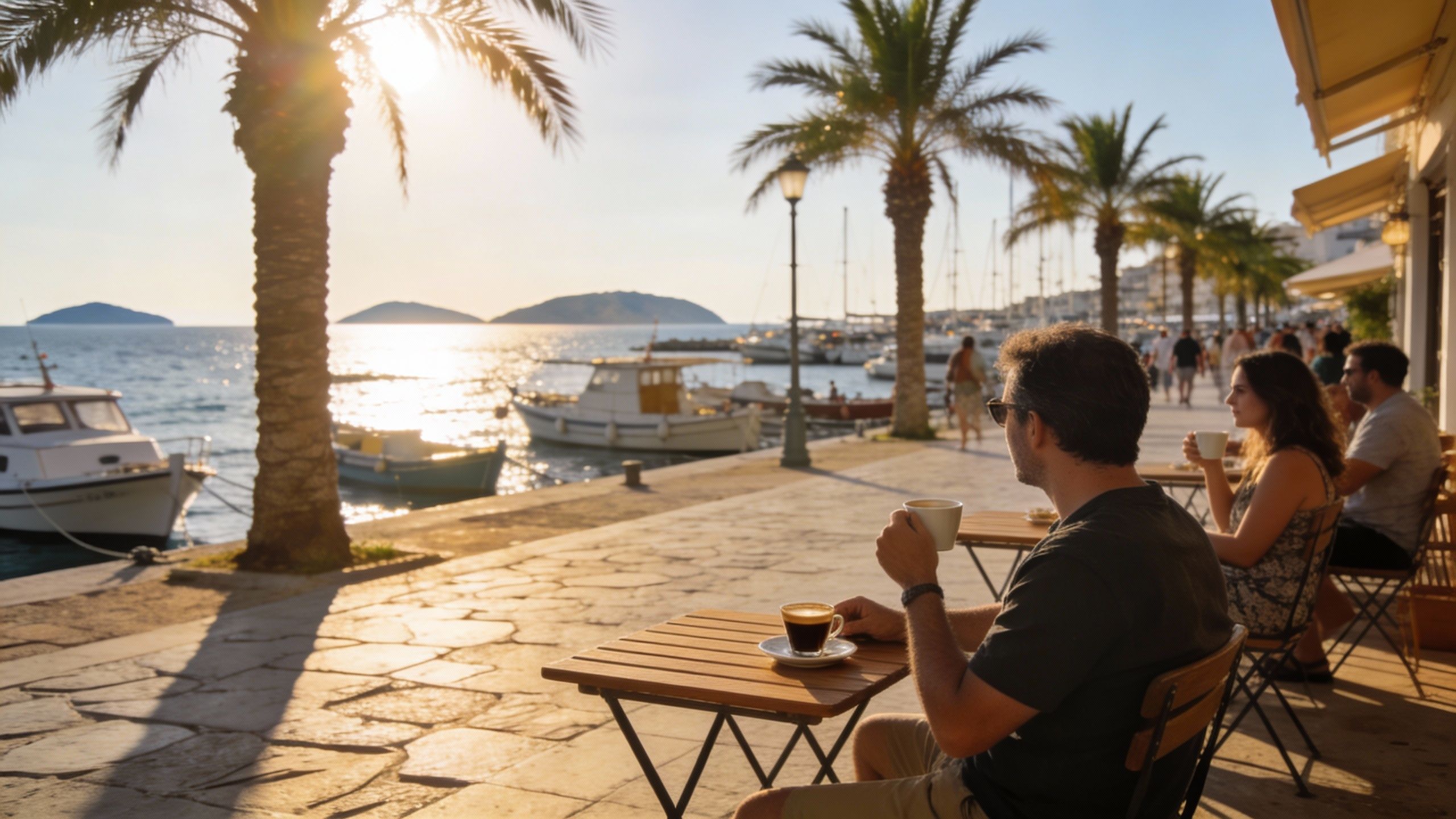
Imagine sipping espresso at a sun-warmed kafeneio on Plaka’s winding lanes, then stepping onto a tram that takes you past neoclassical facades toward the Athenian Riviera. Greece hits you first as a rhythm—morning markets, late dinners, and pockets of intense, local life where islands, mountains and cities each tell a different story. For international buyers this is seductive and practical: strong tourism demand, regionally varied prices, and a property market that still hides surprising value beyond Santorini and Mykonos. Below I compare lifestyle realities and the real estate trade-offs across the country so you can picture life here—and act on it with confidence.
Living the Greece lifestyle: days, tastes and places

Life in Greece is sensory: citrus and sea salt on the breeze, the clack of dominoes in a kafeneio, late-night tavernas where the conversation outlasts the plates. In Athens you get a layered urban life—neighbourhoods like Koukaki and Pangrati blend quiet village streets with cafe culture and easy access to cultural institutions. On the islands and the Ionian coast, days are structured around the light and sea: morning swims, relaxed lunches, siesta-like afternoons and compact high-season bursts of social life. These patterns shape what buyers look for: a compact pied-à-terre in the city, a courtyard house on an island, or a villa with year-round access and storage for seasonal rental use.
Neighbourhood spotlight: Athens — Koukaki, Pangrati, Glyfada
Koukaki feels like a small town inside a capital: pedestrian alleys, boulangeries, and evening taverna life that attracts both locals and expats. Pangrati sits closer to the city’s arts scene with contemporary galleries and easy metro access, making it attractive to buyers wanting urban life with green pockets. Glyfada and the Athenian Riviera offer a different tempo: beachfront promenades, yacht moorings and newer developments—appealing to families and buyers who want a coastal lifestyle within 20–30 minutes of central Athens.
Islands and coasts: more than postcard markets
Don’t assume all islands behave the same. Mykonos and Santorini are high-fee, high-demand markets focused on premium short-term rentals and luxury buyers. Nearby Naxos, Sifnos and Serifos deliver quieter everyday life, lower stock prices and better prospects for long-term owners who want community integration. On the Ionian side, Corfu and Lefkada combine lush landscapes with larger-year-round populations—useful if you want calmer winters and schools nearby. The seasonal spikes matter: islands can triple population in July–August, changing how amenities, rental yield and maintenance affect ownership.
Making the move: lifestyle-led property choices that make practical sense

Greece’s residential market has been rising but unevenly: national indices show steady growth in recent years with faster gains in Athens and selected islands. According to national and industry sources, prices rose through 2023–24 driven by tourist demand and limited supply in popular zones, while inland and less-touristed islands lag behind. That means your lifestyle brief—city apartment, seaside villa, or island cottage—should guide which market you enter and when. A practical property search balances daily living needs (proximity to markets, schools, transport) with the local price cycle and seasonal income potential.
Property styles: apartment, neoclassical, island house
Apartments in central Athens are typically newer builds or renovated neoclassical conversions with compact layouts—efficient for year‑round living and urban rental. Traditional island houses favour thick stone walls, shuttered windows and terraces oriented for cooling breezes, but they often need renovation for modern utilities and insulation. New developments along the coast offer pools, parking and thermal efficiency, aligning with Mediterranean outdoor living. Match property type to lifestyle: if you crave outdoor dining and pools, prioritise a terrace or garden; if museums and cafes are essential, choose a central apartment within walking distance.
How local experts turn lifestyle into a shortlist
Work with an agent who knows micro-neighbourhoods and seasonality. They can align visits to low-season months when you see the real rhythm of a place and negotiate without summer pressure. Ask for verified rental histories if you plan seasonal income; look for service contracts for maintenance and local management. Verify utility access and winter road clearance on islands—practical details that change year‑round comfort. Finally, insist on a bilingual lawyer familiar with coastal permits and island building laws to avoid surprises.
Insider knowledge: what expats wish they’d known
Expats often underestimate two things: the strength of regional tourism cycles and the local social fabric. Tourism data shows Greece’s inbound travel has rebounded strongly, which supports rental demand but also creates high-season pressure on services and prices. Neighbourhoods that seem quiet off-season can become lively and commercially viable in summer—an advantage if you want seasonal income but a constraint if you want year‑round calm. Long-term owners who succeed invest in relationships with neighbours, local plumbers and the community café; these practical ties often matter more than paperwork when small issues arise.
Cultural navigation: language, bureaucracy and rhythms
Greek bureaucracy is improving but still rewards patience and local help: many official forms and permits are not fully digitised, especially on smaller islands. Learning basic Greek courtesies—greeting neighbours, using simple phrases—opens doors to services and goodwill. For transactions, bilingual lawyers and notaries are essential for title checks, building permits and tax registrations. Expect in-person steps: collecting stamps, meeting utility providers and sometimes arranging translations for documents.
Quick red flags and smart checks before you buy
1) Confirm legal title (titled land and building permits). 2) Check seasonal access and winter road clearing on islands and remote coastal plots. 3) Verify water and sewer connections—some older island houses rely on cisterns. 4) Ask for three years of operating costs and service contracts if the property is rental‑oriented. 5) See peer rental calendars to set realistic yield expectations rather than optimistic high‑season rates.
Greece can deliver a life framed by sea-scented mornings and neighbourhood rituals, but the most successful buyers plan for seasonality, local services and community integration. Start with a lifestyle brief—how you want your days to look—then map that to neighborhoods and property types, supported by local agents and a bilingual legal team. Use recent data on tourism and prices to pick markets with demand that matches your goals, and visit off-season to see the real place. If you want, we can connect you with vetted agencies who specialise in Athens neighbourhoods, Ionian coast properties or quieter Cyclades islands so you get both the life and the deal.
BlueprinteraDanish relocation specialist who has lived in Barcelona since 2016. Helps families move abroad with onboarding, schooling, and local services.
Related Articles
More insights that might interest you
 Villa Curated
 Villa Curated
 The Yieldist

