
Off‑Season Budget Hacks: Buy Smarter in Cyprus
Plan your Cyprus buy around lifestyle and timing: off‑season viewings, transfer‑fee tactics and real budget hacks that save thousands.
 MoveSettleGo
Imagine sipping a late-morning espresso on a shaded table in Limassol's old port, laptop open, the sea glinting beyond fishing boats and a neighbour bringing over a bag of fresh halloumi. Cyprus moves at a sun‑washed pace — friendly, social, and lived‑in — but the numbers behind that relaxed life matter when you plan to buy. This guide flips the usual budgeting checklist: we start with the life you want, then show the exact costs and seasonal moves that protect your wallet and your dream.
Living the Cyprus life — the small moments that sell you

Cyprus is sunshine framed by tavernas, mountain villages and coastal promenades. Days blur between beaches (Fig Tree Bay, Nissi), village markets (Omodos, Lefkara), and espresso in neighbourhood cafés. The rhythm is outdoors-first: terraces, late dinners, and community festivals that stitch strangers into friends. For nomads, that translates into alfresco workdays, reliable café Wi‑Fi in coastal towns, and weekends filled with hiking in the Troodos or wine tasting in the vineyards around Paphos.
Neighbourhood pulse: Limassol, Larnaca, Paphos in everyday detail
Limassol hums with cafés along Gladstonos and Molos promenade, coworking hubs near Spyrou Kyprianou, and late-night mezze culture. Larnaca’s Finikoudes and the Old Town feel small and walkable — cheap flights and a calmer beach vibe. Paphos mixes UNESCO history around Kato Paphos with coastal suburbs where villas and rental demand overlap. Each area offers a distinct mix of community, cafés, and work-friendly spaces — and that choice should shape your budget more than headline price-per-metre figures.
Food, markets and seasons: how daily life changes the numbers
Weekends mean open-air markets: try the Larnaca Sunday market or the Paphos produce stalls in summer. Seasonal fruit straight from the van lowers grocery bills; festival weekends boost local hospitality earnings and short‑term rental demand. For buyers this matters: summer demand can inflate perceived rental yields and open‑house prices, while off‑season you’ll see the true baseline of neighbourhood life — and often better bargaining room.
Making the move: how lifestyle choices map to real costs
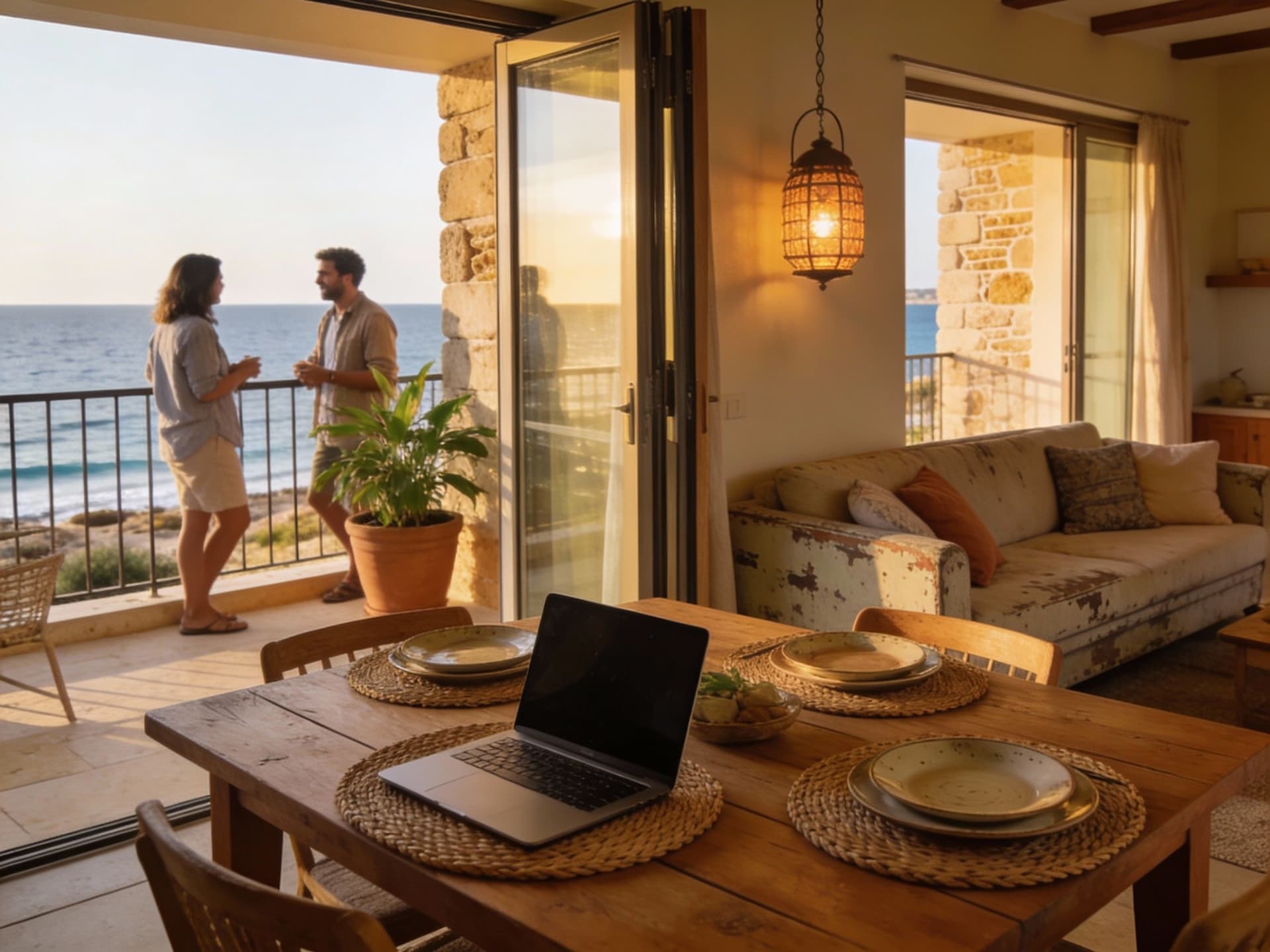
The market looks energetic: 2024 saw record transaction value and continued regional price growth, but that headline masks seasonal and local swings. You can fall for a neighbourhood in July and pay a summer premium — or scout the same street in November and negotiate a price that matches real-year demand. Below are the concrete costs to layer into your budget and the seasonal strategy that saves you thousands.
Budget checklist — fixed and hidden costs to plan for
Start with price, then add transfer fees, legal costs, VAT (for new builds), and modest closing extras like surveyors and utility deposits. Transfer fees on resale properties use reduced effective rates; new properties with VAT are often exempt. Legal fees typically run around 1–2% of purchase price and survey + admin extras are usually under €1,500. These sums change how much mortgage you'd actually need and whether a short negotiation window in low season is worth it.
Quick savings hack: buy outside peak tourist months
Summer listings often attract holiday-driven offers and investors chasing seasonal rental spikes. Market reports show steady annual growth but slower quarterly momentum — that’s your cue to search in late autumn or winter when local buyers are the loudest and prices reveal their baseline. Off-season viewings also let you see neighbourhood life honestly — fewer tourists, more local routines.
Property types and how they affect recurring costs
Seaside apartments look dreamy but carry higher maintenance, communal fees and summer utility peaks. Traditional village homes require inspection for damp and roofing but can be cheaper to tax and insure. New developments can be VAT-exempt on transfer fees yet include higher purchase VAT; resale units avoid VAT but attract transfer fees — split-purchase strategies (two buyers co-owning shares) can reduce transfer fees materially.
Insider knowledge: what expats wish they'd known (and how it affects budgets)
A common regret: buying on a seasonal high or in an area with ambiguous title histories. The island’s division means you should be absolutely sure land records are clear and that you’re working with lawyers who know local quirks. That extra legal clarity costs up front but avoids catastrophic losses later — and for many buyers, it’s the single best budget decision you can make.
How to marry lifestyle wants with a realistic monthly budget
Make three budgets: 'Live' (monthly running costs), 'Buy' (purchase+closing), and 'Buffer' (maintenance, travel, tax). Live should cover utilities, internet (crucial for nomads), groceries and social life; Buy includes down payment, transfer fees, legal, and stamp duty; Buffer is 5–10% of purchase price for unexpected renovation or permit delays. If you treat Buffer as non-negotiable, you’ll sleep better and avoid costly credit.
- Lifestyle-led budget factors to check before offers
• Internet speed measured at coffee shops and apartments (aim for 50Mbps+ for reliable remote work) • Proximity to coworking or community meetups (commute vs productivity tradeoff) • Seasonal utility spikes (air conditioning bills in July/August) • Short-term rental demand if you plan to offset costs (check local rules) • Local healthcare access and private insurance premiums
Step-by-step: an off‑season buying timeline that saves money
1. Research neighbourhoods in summer online; shortlist in August. 2. Visit in late autumn (Oct–Dec) to view properties when locals are back. 3. Get legal and survey quotes immediately after a shortlist; budget those into offers. 4. Negotiate with comparables from off‑season months and include a contingency for repairs. 5. Close after confirmed transfer fee calculations and confirm Title searches with your lawyer.
Conclusion: Cyprus is a place you fall for slowly — so budget like you mean it. Start with the life you want (terrace mornings, market Sundays, cobbled evenings) and then stitch in the real numbers: legal clarity, transfer fees, VAT traps, and seasonal timing. Work with an agency that knows local rhythms and a lawyer who understands Land Registry quirks. Do that, and the island’s golden light becomes part of your monthly spreadsheet — not a surprise on closing day.
MoveSettleGoDanish investor and relocation advisor focusing on Portugal and the Algarve; loves coworking culture and expat networks.
Related Articles
More insights that might interest you

 Villa Curated
 Villa Curated
 The Yieldist

