
Budgeting Beyond the Price: Cyprus' Hidden Costs
Mix sunlit Cyprus lifestyle with a hard budget: expect layered transfer fees, legal costs, VAT nuances, and practical tactics to protect your dream and your wallet.
 MoveSettleGo
Imagine sipping an espresso on the seafront promenade in Larnaca as digital nomads set up laptops at nearby cafes, while behind you narrow streets lead to centuries-old churches and tavernas. Cyprus feels like a sunlit patchwork: beach mornings, hilltop villages, and a slow, social rhythm that somehow still fits into a remote-work schedule. But when the romance meets spreadsheets, international buyers often discover a tangle of fees, taxes and local quirks that change the budget more than a headline price. This guide mixes the feel of daily life—cafes, markets, and coastal walks—with precise budgeting steps and up-to-date numbers so you can plan with confidence.
Living Cyprus: The daily rhythm that sells the dream
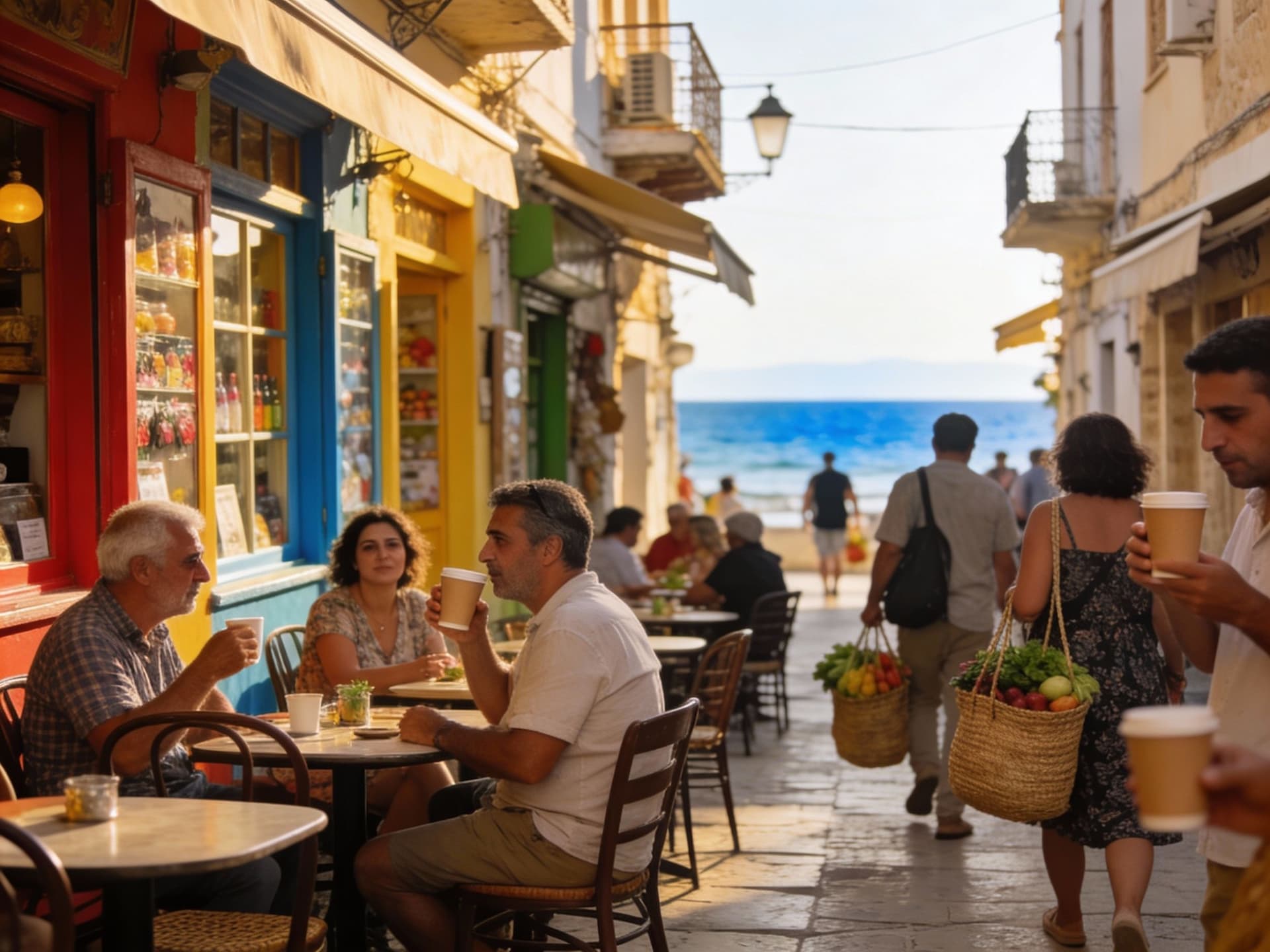
Cyprus moves at an easy, social pace. Mornings start with cafes filling up—try To Elliniko in Nicosia or Molos promenade cafés in Limassol—then people drift to beaches, coworking hubs or vineyards in the afternoon. Weekends mean tavernas, farmers’ markets (look for the orange stalls in Paphos) and family gatherings that spill into the evening. For a nomad, the island’s combination of reliable sunshine, English-friendly services and compact travel distances between cities makes it effortless to blend work and local life.
Neighborhood snapshots: Where lifestyle choices meet property choices
Limassol hums with upscale cafes, marinas and the busiest coworking scene—great if you want a polished coastal office vibe. Larnaca keeps things more relaxed, with affordable apartments, a long promenade and a growing startup scene that attracts remote workers. Paphos is the slower, UNESCO-tinged option: olive groves, archaeological sites and villas where weekends feel Mediterranean and quiet. Each area’s vibe influences what you’ll pay and what features matter: fibre availability, terrace space, and quick access to social hubs.
Food, markets and micro-moments that sell Cyprus living
Picture weekday lunches of fresh halloumi and grilled octopus, evening aperitifs on a marina terrace, or Saturday mornings at the local market picking up sun-ripened tomatoes. These quotidian pleasures aren’t just background—they shape which properties feel like home: a balcony for brunch, a kitchen big enough for weekly cooking, or a compact apartment close to a favourite kafeneio. For remote workers, the real choice is whether your day should start with sea views or a street lined with cafes and reliable fibre.
Lifestyle highlights to factor into budget and search
Limassol’s coastal pull—higher prices but concentrated coworking and nightlife.
Larnaca’s rising apartment sales and lower headline costs—good for nomads seeking value.
Paphos’ village and villa options—space for similar budgets to cramped city apartments.
Making the move: Practical budgeting that protects the lifestyle

The island’s market is buoyant—transaction value hit records in 2024—which means strong demand in popular pockets and steady price growth overall. But headlines don’t show the full equation: legal fees, transfer fees, VAT on new builds, mortgage costs, and renovation budgets reshape total spend. Below are practical checkpoints to turn a lifestyle wish into a realistic, balanced budget.
What you’ll actually pay: the surprise line items
Expect a layered set of costs: transfer fees (3%–8% sliding scale, often reduced for resale properties), stamp duty (small but payable on contract registration), lawyer fees (typically 1–2%), and VAT (19% on many new builds). Add surveys, utility deposits, and modest translation or notary-style costs when documents are needed in English. Splitting purchases between two buyers can lower transfer fees—an often-overlooked tactical budget win.
A lifestyle-minded budgeting checklist (step-by-step)
1) Start with your monthly lifestyle number: rent/mortgage equivalent, coworking, food, transport, and leisure.
2) Add purchase overheads: transfer fees, stamp duty, legal fees, and VAT or exemptions—plan 6–10% extra for resale; 0–5% for VAT-paid new builds depending on exemptions.
3) Reserve renovation & adaptation funds: 5–15% of purchase price for terraces, insulation or work-from-home set-ups.
4) Factor currency and mortgage realities: bank fees, exchange buffers, and interest-rate scenarios if you plan to borrow locally.
Insider knowledge: local rules, cultural quirks and money moves
Expats often learn three things the hard way: the Land Registry process takes patience, neighbourhoods change with the seasons (tourist summers vs quiet winters), and local bargaining culture affects renovation and contractor pricing. Accepting a slower administrative pace helps: lawyers coordinate with the Land Registry and local surveyors, and a good agent will translate both language and process. Also, remember that some coastal hotspots have premium pricing—you may get more space and value inland or in emerging towns.
Cultural practicalities that affect cost and comfort
English is widely spoken, but many administrative forms and legacy records are in Greek, which is why budgeted translation and an English-speaking lawyer matter. Social life centers around tavernas and coffee shops; properties near these hubs often command a premium for convenience. Seasonal rentals and tourism spikes can also push short-term maintenance costs and insurance up for owners in popular towns.
Practical red flags and quick checks before you sign
Title deed availability (ask to see the registry extract).
Building permits and recent renovations—missing paperwork can become a costly retro-fit.
Fibre and mobile coverage—test speeds in the exact unit and on terraces before committing.
Local running costs—condo/communal fees and seasonal utility spikes (air-conditioning in summer).
When we bought our first Cyprus apartment, the surprise was transfer fees—what seemed like a small percentage added several thousand euros. The smart move was splitting the title with a partner, which cut the transfer duty significantly. Small tactics like that—joint ownership, negotiating inclusion of certain fixtures, or agreeing on a completion timeline that avoids peak tourist seasons—translate directly into lifestyle quality post-closing.
If you want space and sea views without Limassol prices, look for new coastal pockets near Larnaca or emerging developments around Paphos. If immediate social life and coworking access matter most, budget the premium for Limassol’s central zones. Use the numbers above to turn a dreamy checklist into a realistic offer: what monthly lifestyle does the property allow, and what one-off costs will reduce that freedom?
Ready to move from dreaming to planning? Start with three actions: 1) calculate a full-cost budget including transfer and legal fees, 2) test internet and neighbourhood rhythm on a two-week stay, and 3) line up an English-speaking lawyer and local agent who knows the lifestyle you want. With those in place, Cyprus stops being a postcard and starts being home.
MoveSettleGoDanish investor and relocation advisor focusing on Portugal and the Algarve; loves coworking culture and expat networks.
Related Articles
More insights that might interest you

 Villa Curated
 Villa Curated
 The Yieldist

