When to Buy in Greece: Seasons, Surprises & Stewardship
Fall in love with Greece’s light, markets and seasons — then make intentional, eco‑savvy property choices supported by local experts and current market rules.
 Moss & Hearth
Imagine waking to the smell of orange blossoms on an Athenian balcony, or a late‑afternoon swim off a quiet Cretan cove. Greece slows you down: markets open at dawn and conversations stretch into long evenings. For international buyers who care about light, seasons and low‑impact living, this country is a mosaic of stone houses, wind‑bent pines and villages still run by people who know their neighbours' names.
Living the Greek life — what you feel first
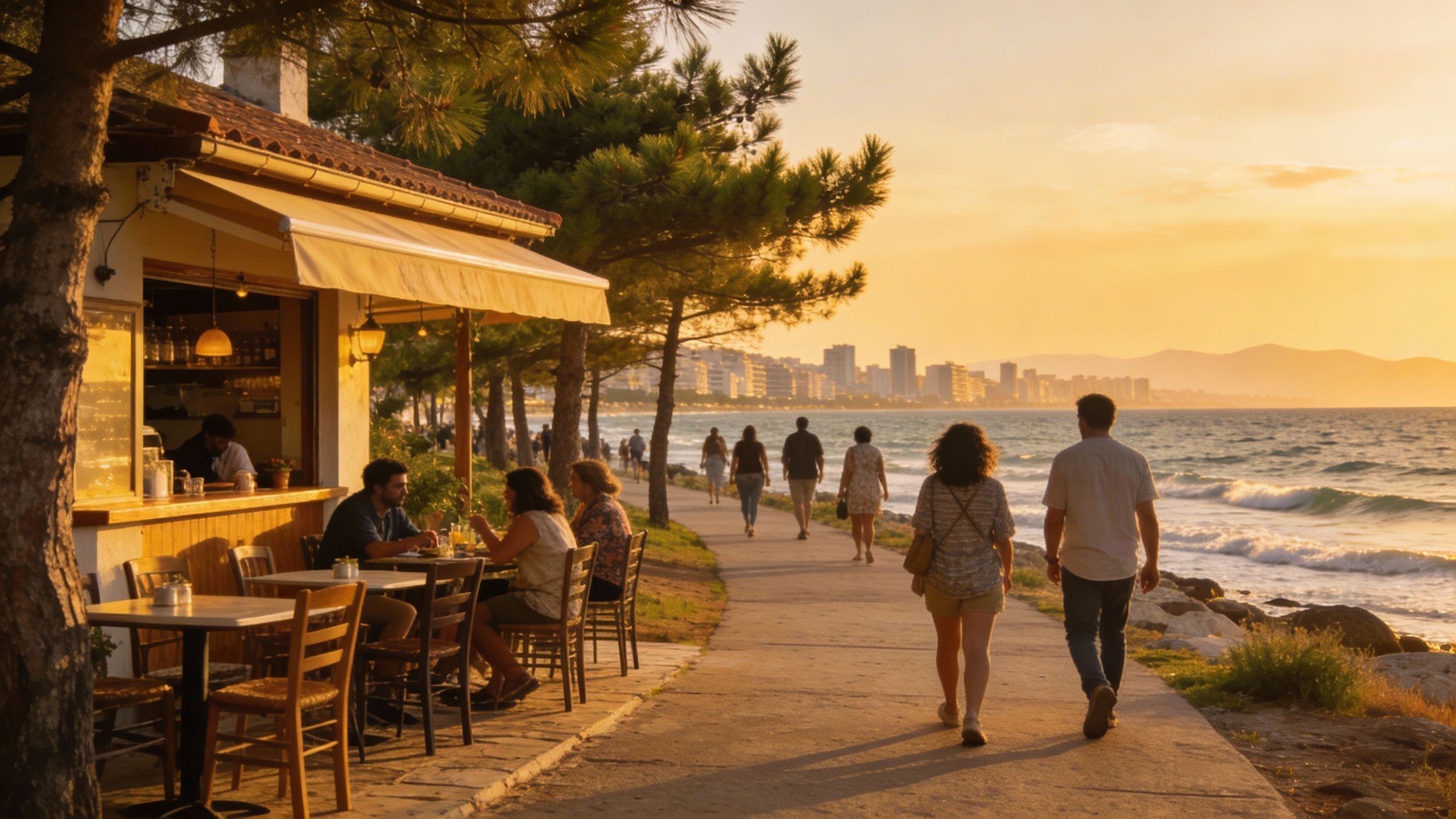
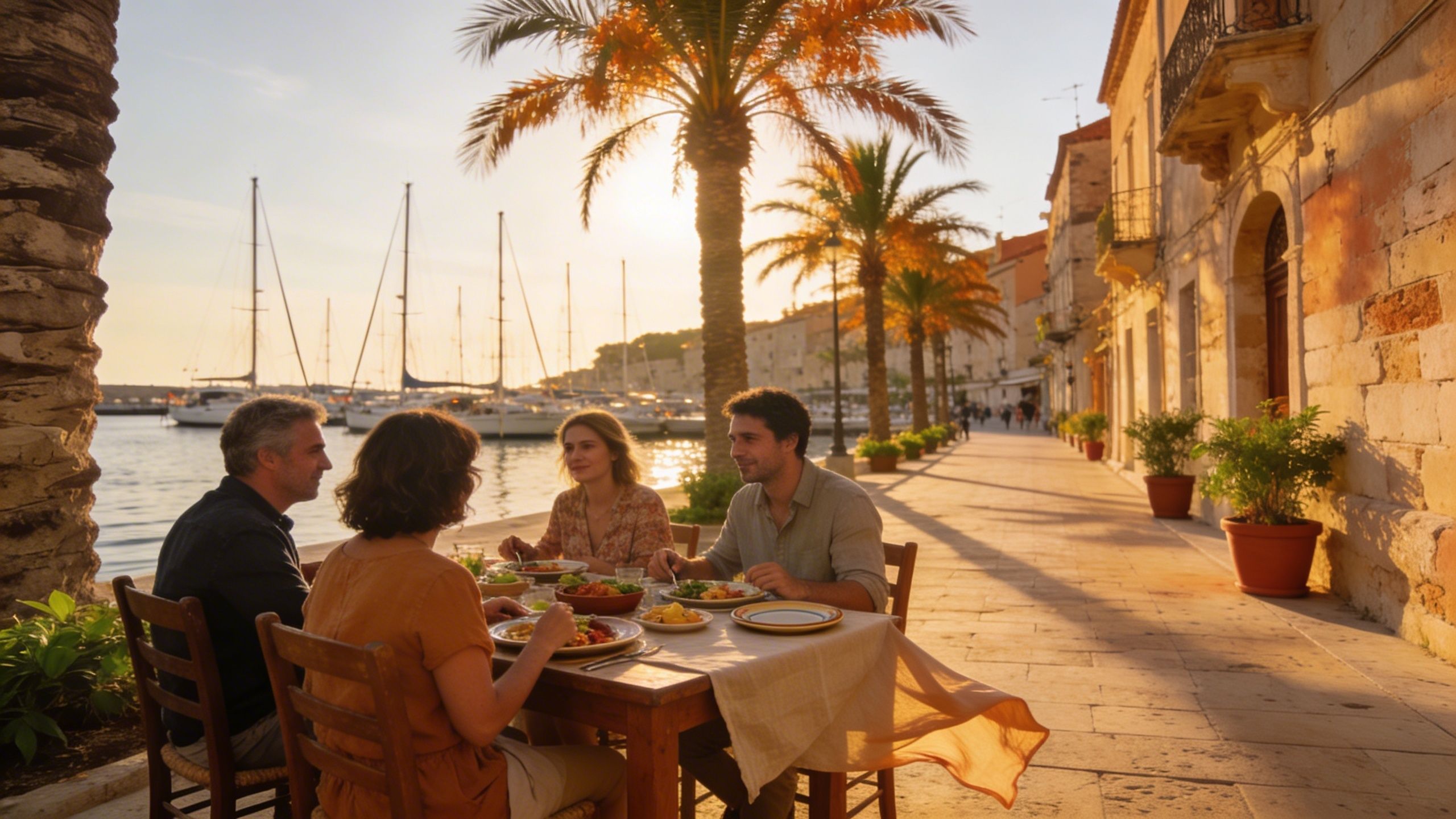
The first thing most people notice is the light — crystalline mornings and a golden wash at dusk that makes weathered stone and terracotta sing. In Athens you can sip a compact espresso in Koukaki before walking to the sea along the Riviera, where new developments like Ellinikon have remade the coast and created a surprising hybrid of city and beach life. Elsewhere, villages in Crete, the Peloponnese or the Ionian Islands offer a different tempo: garden terraces, robust local markets and neighbours who trade tomatoes for eggs.
Neighbourhood spotlight: Koukaki, Glyfada and Ano Glyfada
Koukaki is Athens’ gentle answer to island calm — tree‑lined streets, small bistros and easy access to historic Athens. Glyfada and the wider Riviera give you seaside life with cafés, sailing clubs and a more modern infrastructure. If you want old stones and morning markets, look toward Chania in Crete or the olive‑scented lanes of Nafplio in the Peloponnese.
Food, markets and a day well lived
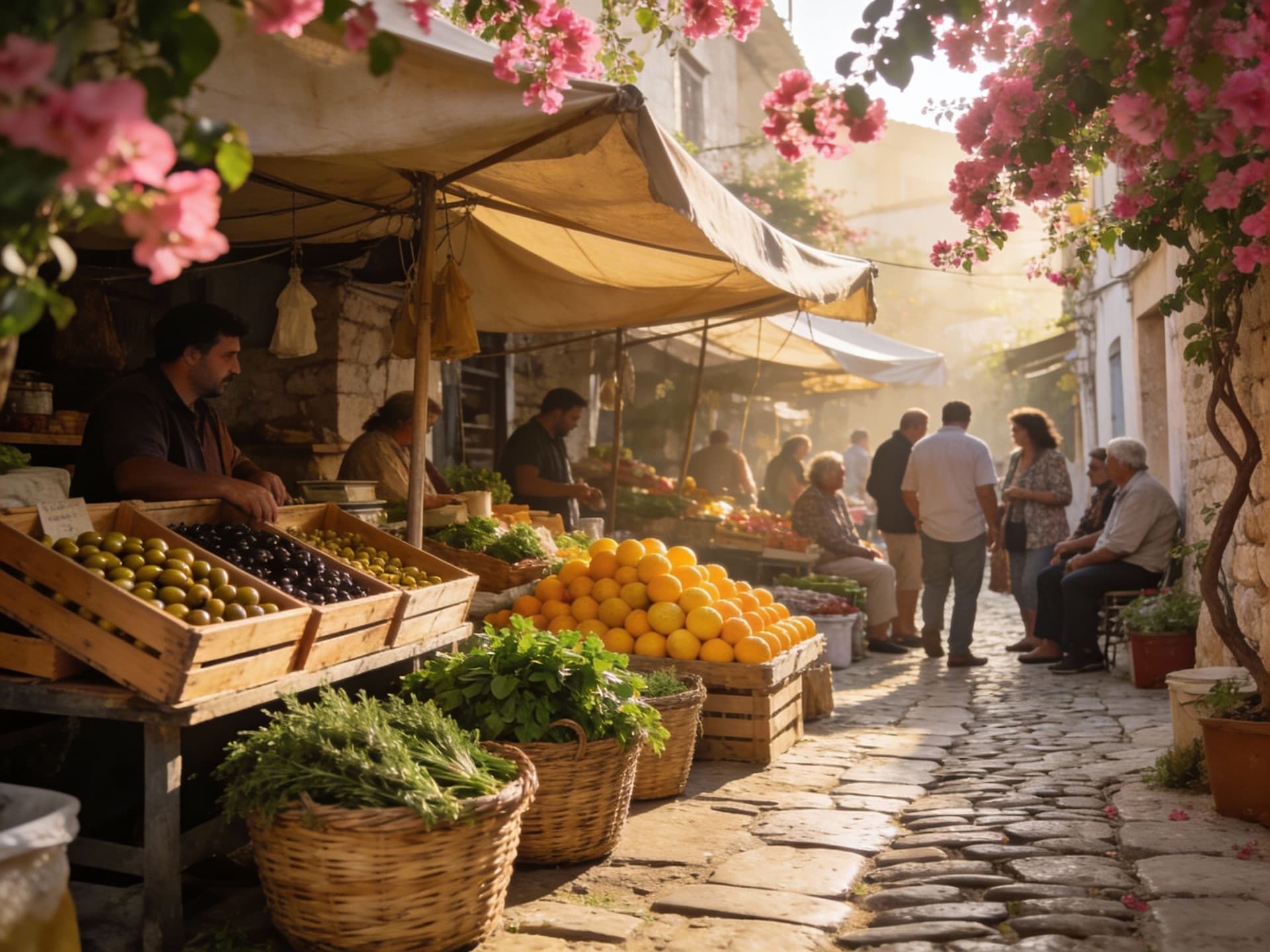
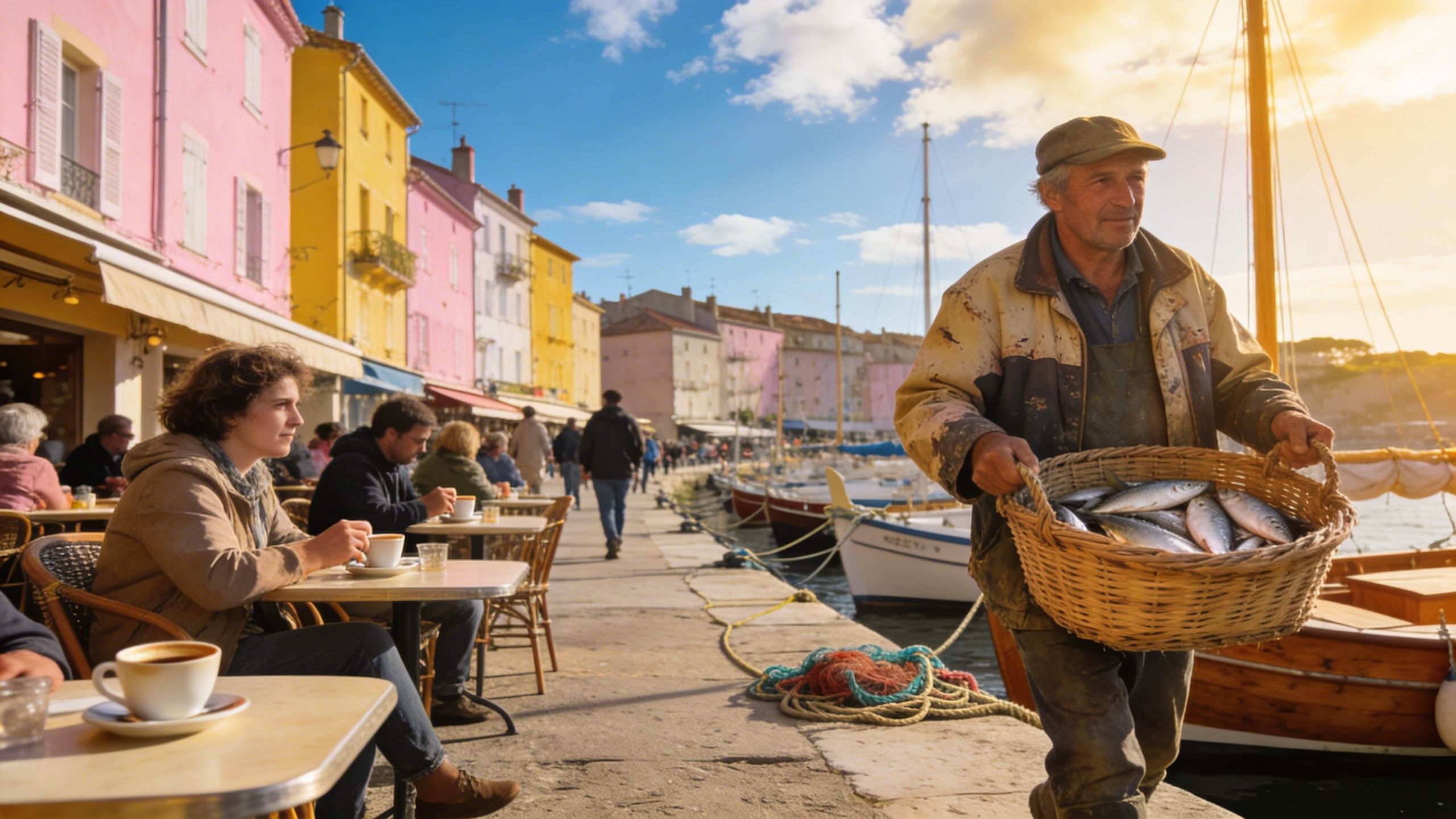
Picture yourself gathering produce at the Varvakios Agora in Athens, tasting a fisherman’s catch at a taverna in Palaiochora, or buying hand‑pressed olive oil from a family in Mani. Meals are social, local and seasonal — a built‑in sustainability lesson. These rituals shape where you buy: proximity to a market, a kitchen that opens to a shady courtyard and a small garden for herbs quickly become priorities.
- Lifestyle highlights worth prioritising
- Morning espresso in Koukaki or at Glyfada’s main square
- Weekend markets: Varvakios (Athens), Chania Old Market (Crete)
- Coastal swims off the Athens Riviera or hidden Peloponnese coves
- Olive grove walks, seasonal harvests and village festivals
Making the move: lifestyle decisions that shape the purchase
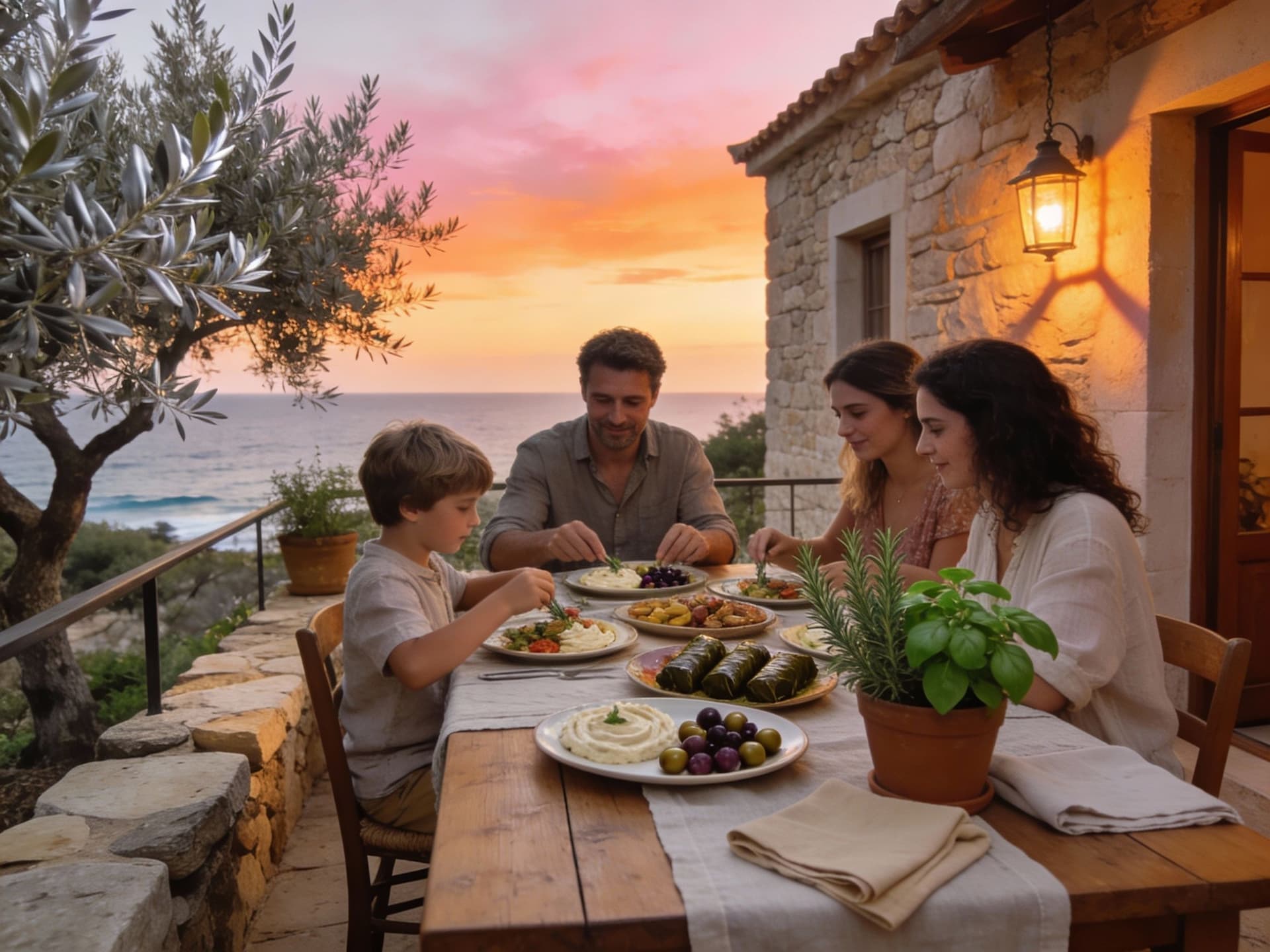
Your dream — a stone villa with a courtyard, or a small apartment above a café — must meet local reality. Practicalities like transfer tax (typically 3% on resale) and the difference between buying new‑builds and resale properties nudge choices: a courtyard lets you grow food but requires upkeep; a modern apartment may offer insulation and lower energy bills. Knowing which tradeoffs you’re willing to accept keeps the search honest.
Property types and what they mean for daily life
Stone village houses promise shade and thermal mass (cool summers, slow heat loss in winter) but often need renovation and attention to water management. Newer coastal builds offer sheltered terraces and integrated solar potential, yet may cost more in hotspots. If sustainability is core to your decision, look for thick stone walls, passive ventilation, rooftop solar, rainwater collection and gardens planted with native species.
Working with experts who know the place
A local agency with sustainability sensibility helps translate lifestyle desires into zoning realities and practical checks. Recent law changes — including higher Golden Visa thresholds for Attica, Thessaloniki and popular islands — mean timing and regional awareness matter. Your agent should advise on whether a property qualifies for incentives, its energy performance, and any restrictions tied to renovation or leasing.
- Steps that blend lifestyle and practical checks
- Visit at least once in shoulder season (April–May or September–October) to see the day‑to‑day life without tourist distortion.
- Ask for an energy audit and water‑management plan — small upgrades (insulation, solar) cut bills and carbon.
- Check local rules on short‑term letting if you plan to rent; hotspots have evolving restrictions.
- Confirm transfer tax and VAT implications early (resale vs new build) so budget reflects real costs.
Insider knowledge: what expats wish they’d known
People who move here often say: the daily life is richer than you imagine, and bureaucracy takes more patience than you expected. Projects like Ellinikon show how development can remake coastlines — with both opportunity and community tensions. That tension is the point: buy the life you want, but respect community rhythms and environmental limits.
Language, community and the small courtesies
You don’t need perfect Greek to belong, but learning greetings, market phrases and simple civility opens doors. Expect slower timetables: council approvals, utility connections and renovation permits can take longer than in northern Europe. Friendly neighbours will often help — but formal permissions still matter. Being patient, curious and present will buy you goodwill and better local advice.
Long‑term stewardship: how life changes after you buy
Within a year you'll find your rhythm: olive picking in autumn, a favourite fishmonger, and neighbours who expect seasonal jars of marmalade. Consider property choices that reduce long‑term impact — native plantings to lower irrigation needs, solar panels sized for your realistic use, and rainwater systems for garden and toilet flushing. These choices make a house age gracefully and keep running costs modest.
- Practical red flags to watch for
- Missing building permits, unclear property boundaries, lack of sewage connection, poor insulation and no energy certificate — each raises cost and time to make a home low‑impact.
- How to prioritise checks (quick ranking)
- 1. Title search and boundary confirmation
- 2. Planning permission history and permitted uses
- 3. Energy performance / roof condition / water supply
- 4. Local attitudes to short‑term rentals and conservation rules
Conclusion — lean toward the life, not the listing. Greece rewards people who care for place: choose conditions that let you garden, gather and be present. Then hire local experts who share respect for the land and can translate lifestyle aims into legal, energy‑wise, and community‑friendly plans. If you want a next step: visit in shoulder season, bring a shortlist of streets or villages you love, and ask an agent to line up properties that meet both your heart and stewardship checklist.
Moss & HearthDutch property strategist who helped 200+ families find sustainable homes in southern Europe; expert in legal pathways and long-term stewardship.
Related Articles
More insights that might interest you
 Villa Curated
 Villa Curated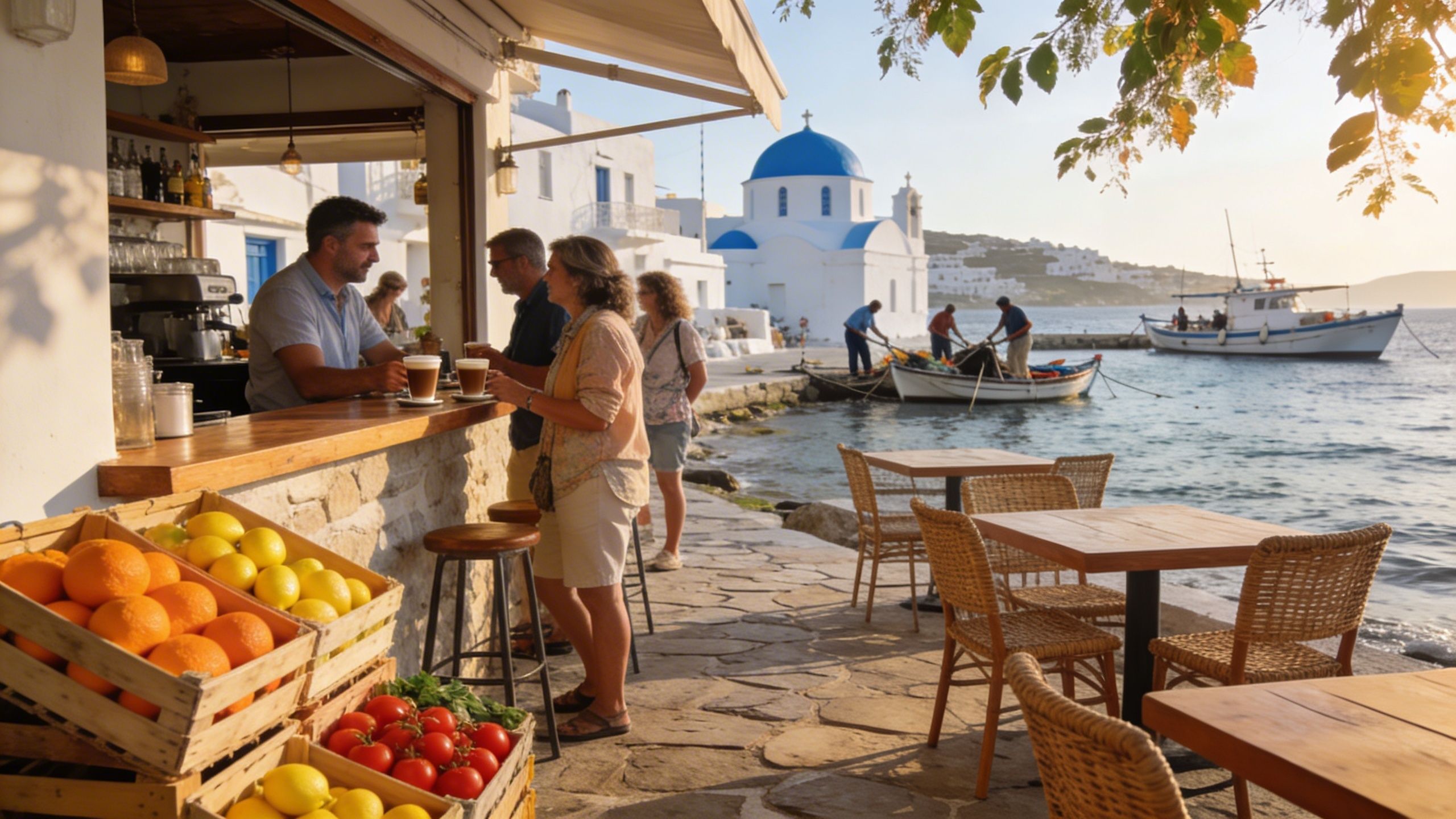
 The Yieldist

