Croatia: Buy with Lifestyle, Stewardship and Local Data
Fall for Croatia’s rhythms: match coastal light, inland quiet or Zagreb pulse to market reality — use local experts and sustainability as your safeguard.
 Moss & Hearth
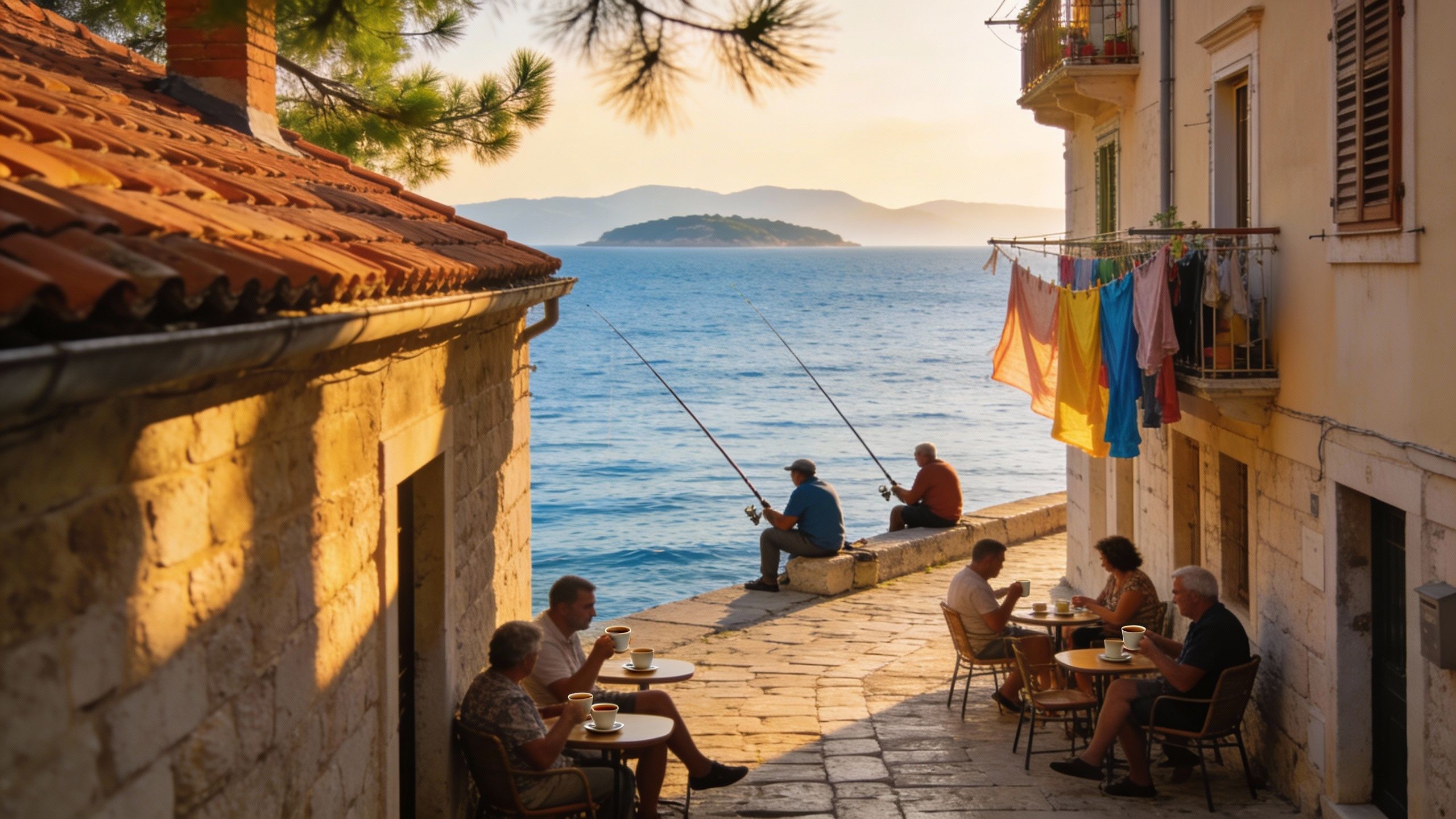
Imagine stepping out at dawn onto the riva in Split, the sea air threaded with coffee steam and freshly baked burek — and realising you could live here, year-round. Croatia seduces slowly: medieval streets, pine‑scented coves, neighbourhood markets where the day’s catch is still warm. For international buyers drawn to this rhythm, the decision to buy is as much about joining a seasonal cycle of life as it is about contracts and square metres. Recent market analysis shows house prices rising steadily across regions, so lovers of light and landscape must match the dream with a practical plan. (Source linked below.)
Living the Croatia lifestyle
There’s no single Croatian life — there are coastal mornings of sea-salted wind, Istrian afternoons of olive groves and oak‑lined inland lanes where stone farmhouses huddle against the sun. Zagreb hums with cafés along Tkalčićeva and slow Sunday markets; Rovinj and Hvar pulse with summer buzz but soften into a quieter, local rhythm in shoulder seasons. Government data shows divergent price trends between Zagreb, the Adriatic coast and other regions, reflecting these lived differences. Match your desired daily scene to the right region before falling for a view alone.
Coast: Salt, stone and island life (Split, Hvar, Rovinj)
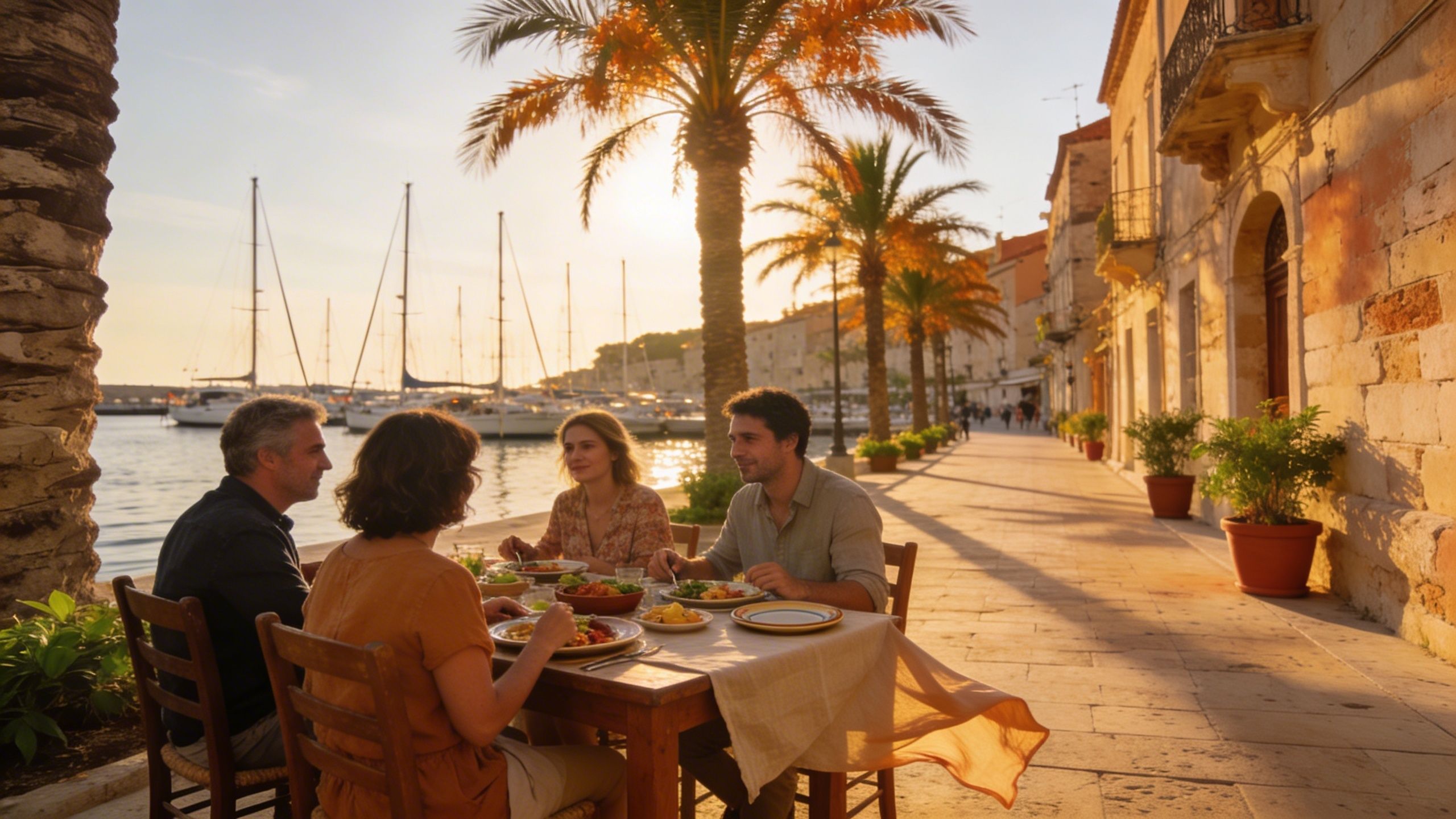
Picture morning espresso on a terrace in Split, fishermen hauling nets in the harbour and weekends spent hopping islands. Coastal areas deliver the Adriatic’s obvious charms — sea views, pebble coves, and a tourism rhythm that can make a property feel like theatre in July and sanctuary in November. Luxury and restored stone houses coexist with small local apartments; the Financial Times has profiled villas across the Dalmatian coast that illustrate this range. For sustainable buyers, look for homes with thick stone walls, shaded courtyards and rainwater capture — features that suit the climate and cut energy needs.
Inland & Istria: Truffles, vineyards and quiet mornings
Inland Istria and the continental interior offer stone farmhouses, slow market mornings and a different sensory palette: truffle fairs, vine rows and kitchen gardens. Recent asking-price surveys show strong gains in counties such as Istria and Split‑Dalmatia — proof that value is increasingly spread beyond the headline coastal towns. If you crave land, growing seasons and a home that feeds you, these regions reward buyers who want to live with the land rather than just beside the sea.
Local lifestyle highlights
Morning espresso on Tkalčićeva (Zagreb) and evening grilled fish at Konoba Mate (Supetar).
Strolling Rovinj’s waterfront and discovering tiny galleries tucked down alleys.
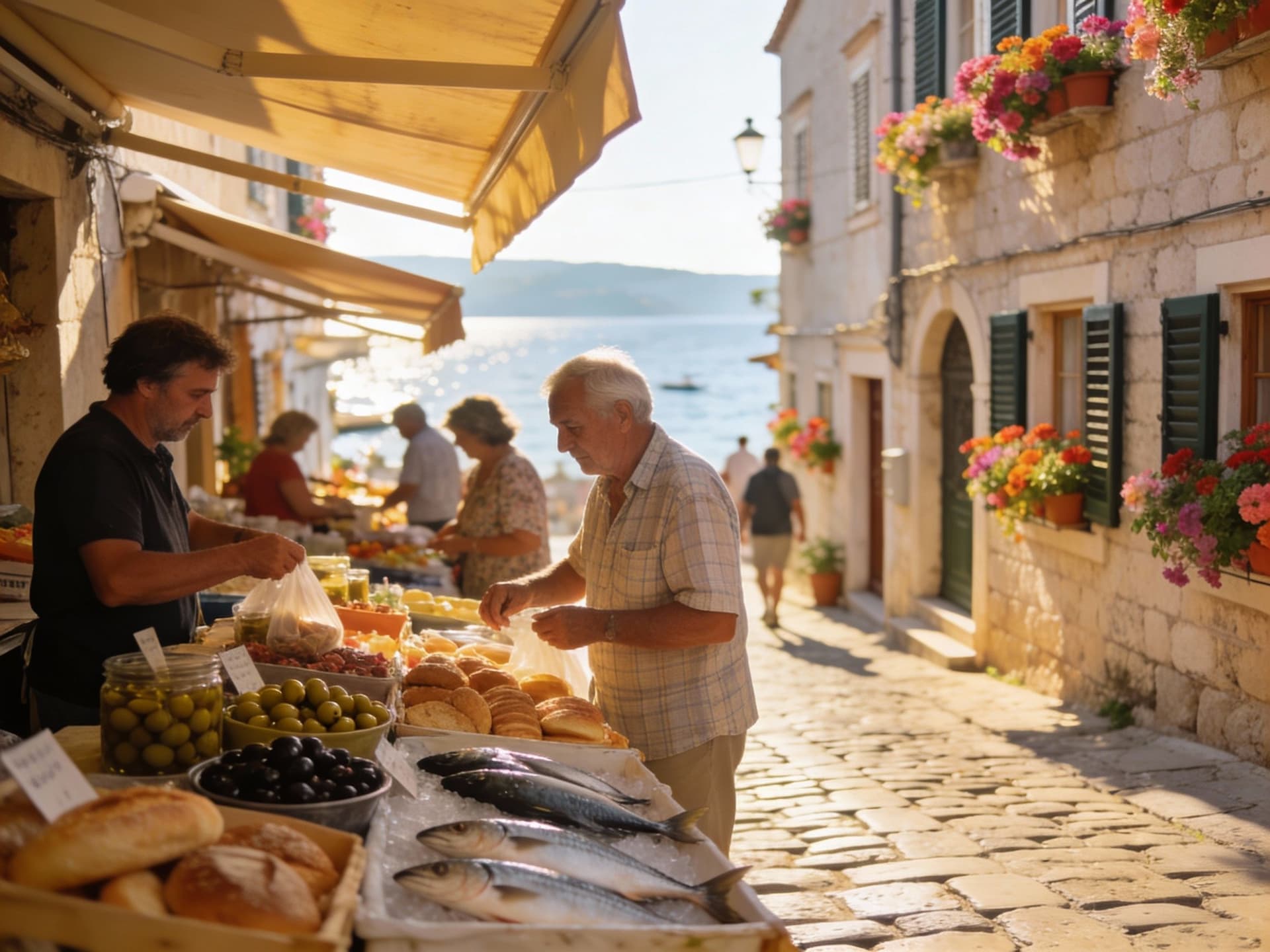
Weekend markets in Pula or Zadar where oysters, cheese and seasonal produce shape the week’s meals.
Making the move: practical considerations that preserve lifestyle
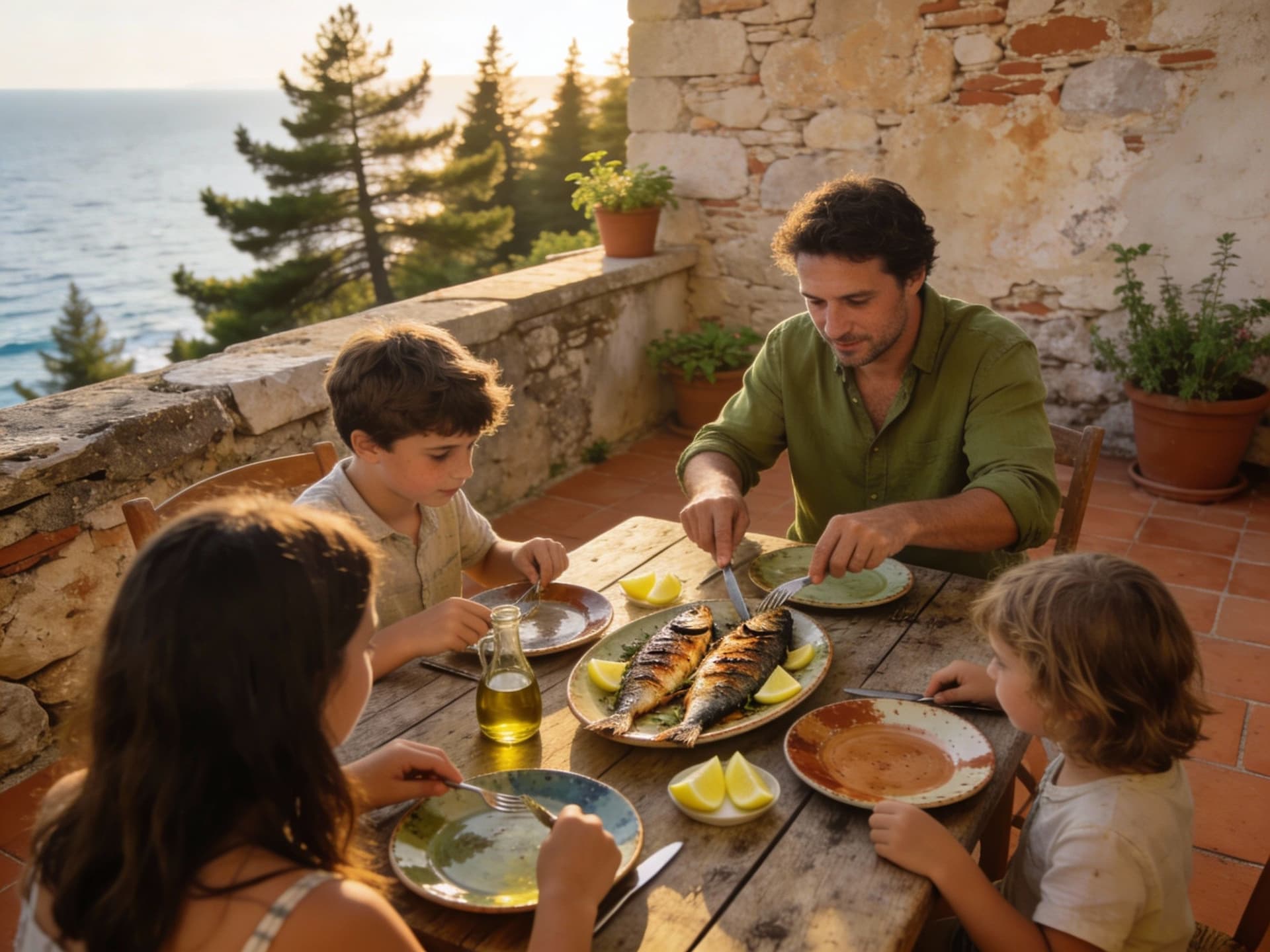
If the vision is Mediterranean mornings and farm-to-table dinners, the practical side — paperwork, property type, seasonal maintenance — must align. The market is moving: industry reports point to steady investment in quality projects and record tourism numbers, which pushes demand for well-located homes. Work with local advisors who understand both the lifestyle you want and the market forces shaping availability and price.
Property types and how they shape daily life
A restored Istrian stone house gives you thick thermal mass for cooler summers and cosy winters; a waterfront apartment buys immediate access to sea life but may bring seasonal crowds and higher running costs. New builds can deliver green tech — solar-ready roofs, heat pumps and better insulation — but they sometimes lack the character of vernacular architecture. Decide whether you want immediate lifestyle (a town apartment near cafés) or a stewardship project (a farmhouse and olive grove) and budget for that lifestyle’s maintenance.
How to work with local experts to protect lifestyle value
Engage a bilingual local agent who knows neighbourhood rhythms and off‑season realities.
Hire an environmental-savvy architect for retrofits so restorations keep character while improving energy performance.
Use a licensed notary and check land registry records early; local paperwork cadence can delay closings if not anticipated.
Insider knowledge: what expats wish they’d known
Buyers often fall in love with a sunlit view and only later learn how seasonality reshapes life: island ferries slow in winter, neighbourhood shops close Mondays, and heating needs change your utility picture. Expat communities are strongest where services cluster — Split, Dubrovnik and Zagreb — but smaller towns offer deeper integration if you’re prepared to learn local rhythms. A few insider truths will save you time and heartache.
Cultural cues that affect where you’ll be happy
Croatians value unhurried hospitality: meals are social, summer schedules slow, and neighbours often meet in small ways that knit communities. Learn a few phrases, attend local events — feast days, farmers’ markets or klapa singing — and you’ll discover why a neighbourhood that seems quiet in winter can feel like family in summer.
Long-term lifestyle costs and stewardship
Think beyond purchase cost: upkeep of stone roofs, seasonal air conditioning, insurance for coastal exposure and local property management if you’re away. National indices show steady price growth that rewards thoughtful stewardship, but the real win for eco-conscious buyers is properties that reduce ongoing costs: passive cooling, solar arrays and native gardens that cut water use. Make operational sustainability part of your offer — it preserves lifestyle and value.
Red flags and quick checks before you fall in love
Missing registry entries or unclear boundaries — ask for land registry extracts early.
No planning permission for terraces or pools — check municipal rules before bidding.
Unrealistic utility estimates for summer cooling — ask for actual bills where possible.
No local contact for upkeep — find a manager before you sign.
Conclusion: If Croatia has captured your imagination, set the scene first — decide whether you want the salt on your face every morning or a stone hearth and walnut trees — then bring local expertise in early. Use trusted data (national house price indices and market reports) to shape timing and budget, and prioritise properties that embody sustainable living: passive design, durable materials and thoughtful stewardship. When you pair a clear lifestyle vision with a team who knows both seasons and statutes, buying in Croatia becomes less about transaction and more about joining a living place.
Moss & HearthNorwegian market analyst who relocated from Oslo to Provence; guides investors with rigorous portfolio strategy and regional ecological value.
Related Articles
More insights that might interest you
 Villa Curated
 Villa Curated
 The Yieldist

