The Reciprocity Trap: Truths About Buying in Croatia
Croatia seduces with coast and stone, but European rules, reciprocity and local zoning shape what you can own—start permission checks early and pair lifestyle vision with legal due diligence.
 Moss & Hearth
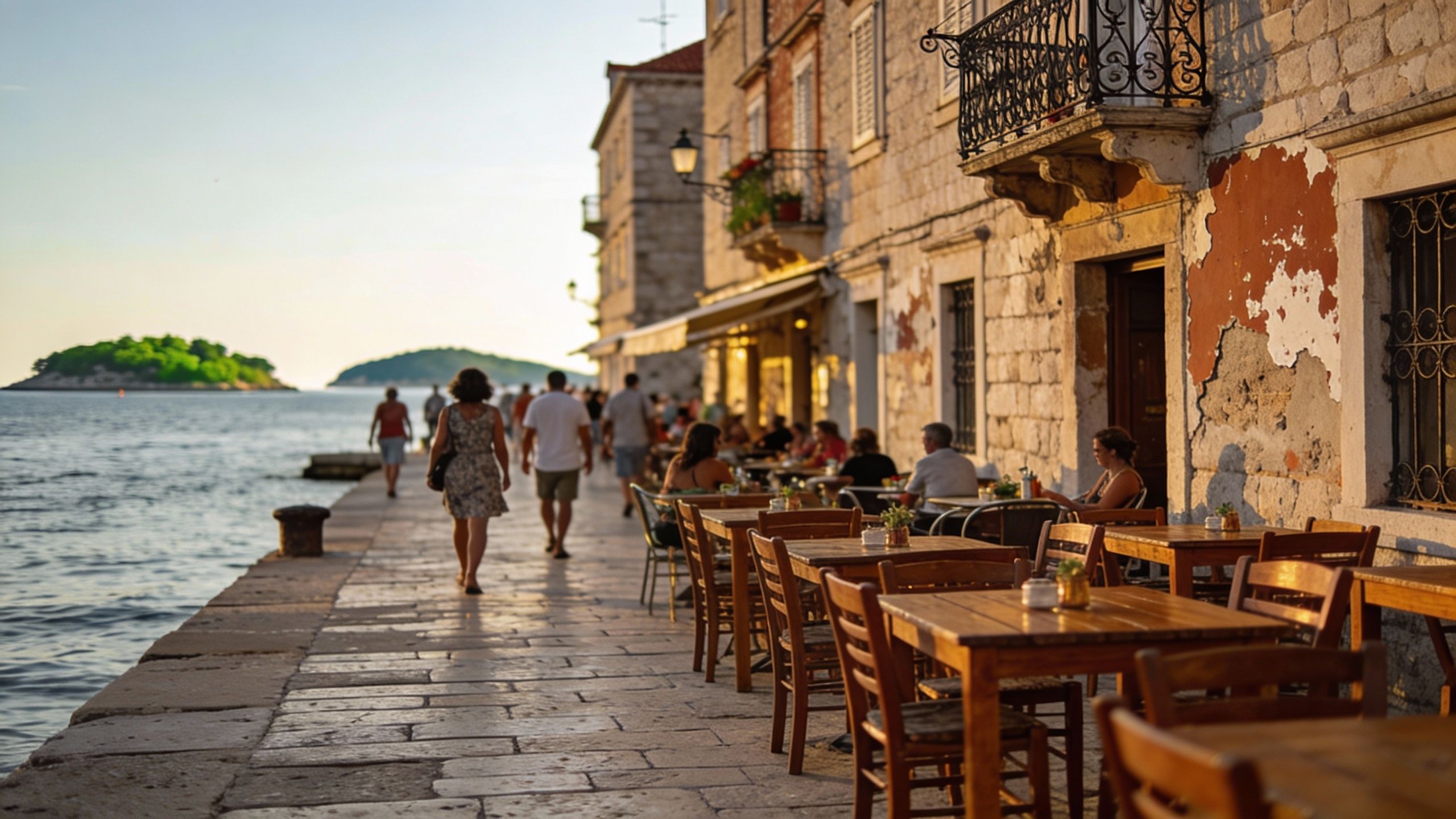
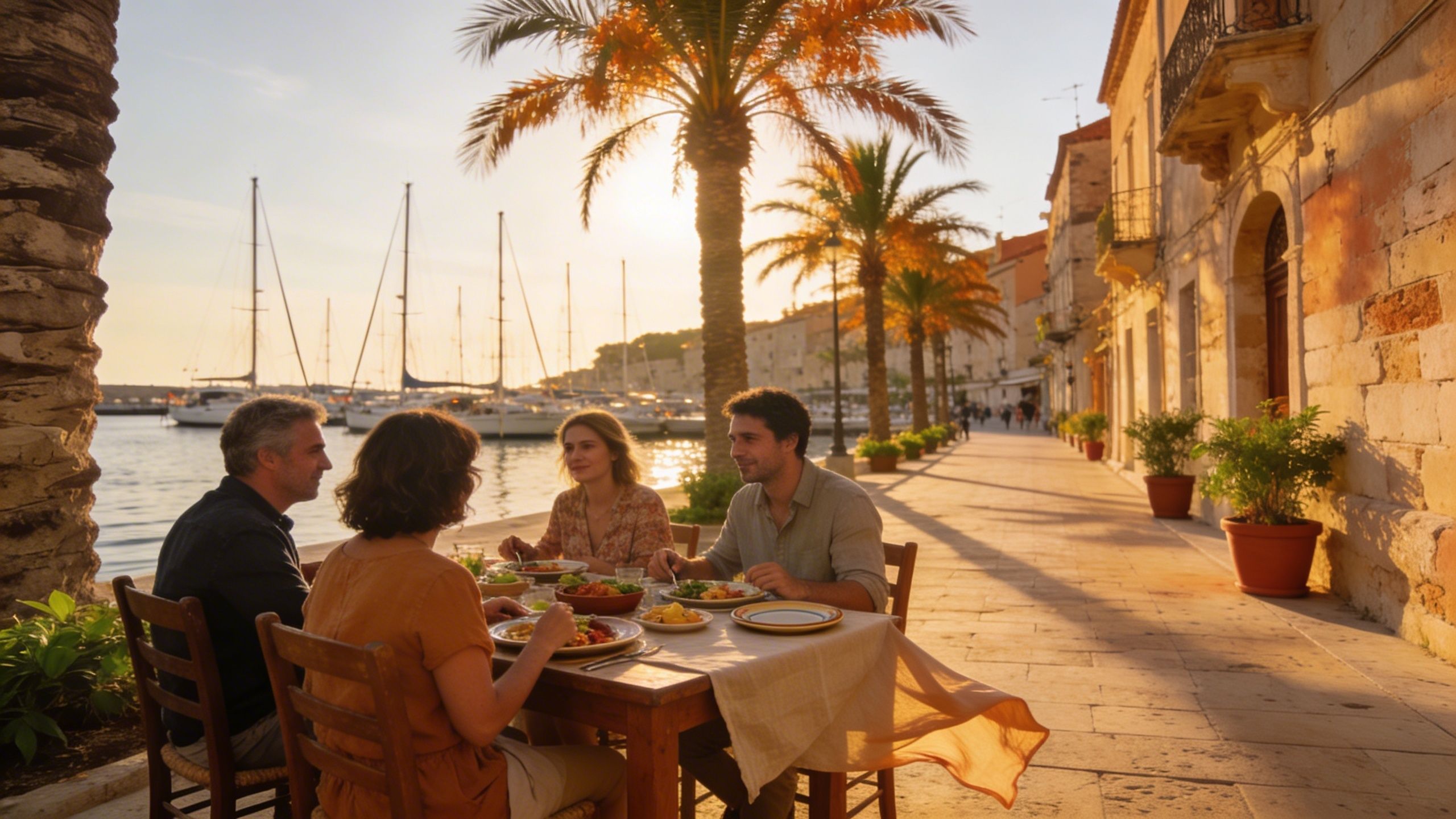
Imagine waking at dawn to the sound of church bells in Dubrovnik old town, or sipping espresso beneath plane trees on Zagreb’s Ilica. In Croatia the rhythm of life is as tactile as the stone underfoot: market days, kayakable coves, long dinners that stretch past sunset. But love at first sight can blind even the most careful buyer—especially when paperwork, permissions and local rules quietly shape what you can actually buy and how you’ll live. This guide blends the sensory life of Croatian towns with the practical due diligence that saves time, money and regret.
Living the Croatia life
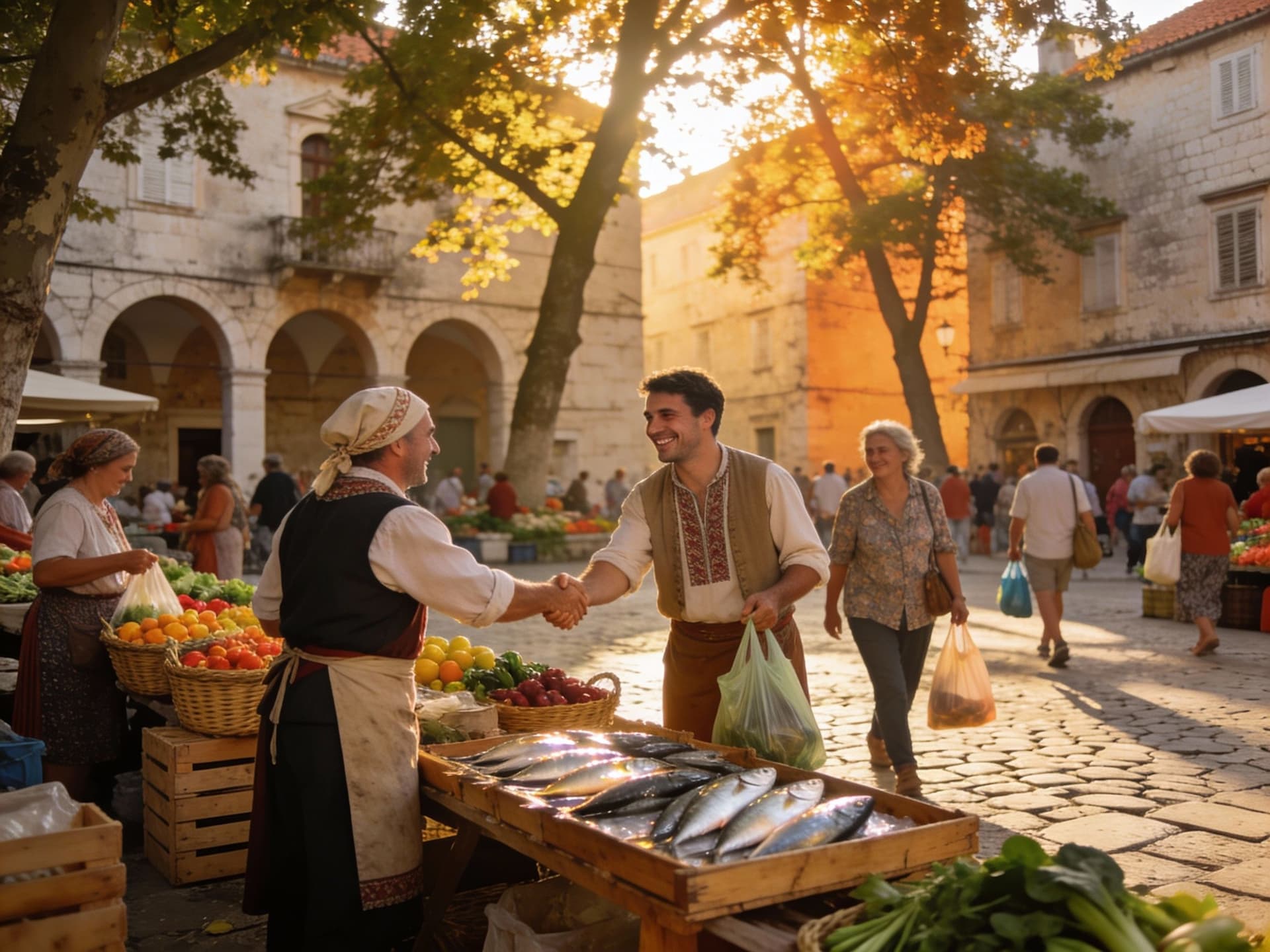
Croatia moves with seasons. Summers sing with ferries, terraces and konobas; autumn brings truffle hunts and vine pruning; winter hushes islands into an intimate silence where locals reclaim the shore. Neighborhoods vary dramatically — Zagreb’s Maksimir hums with family life and parks, Split’s Veli Varos is cobbled, buzzy and close to fish markets, while Hvar and Vis offer island solitude with small‑community warmth. When you picture daily life here, imagine a slow morning coffee, a midday market run, and evenings that favour local wine and conversation over speed and convenience.
Spotlight: Dalmatian coast vs Zagreb’s inner rhythm
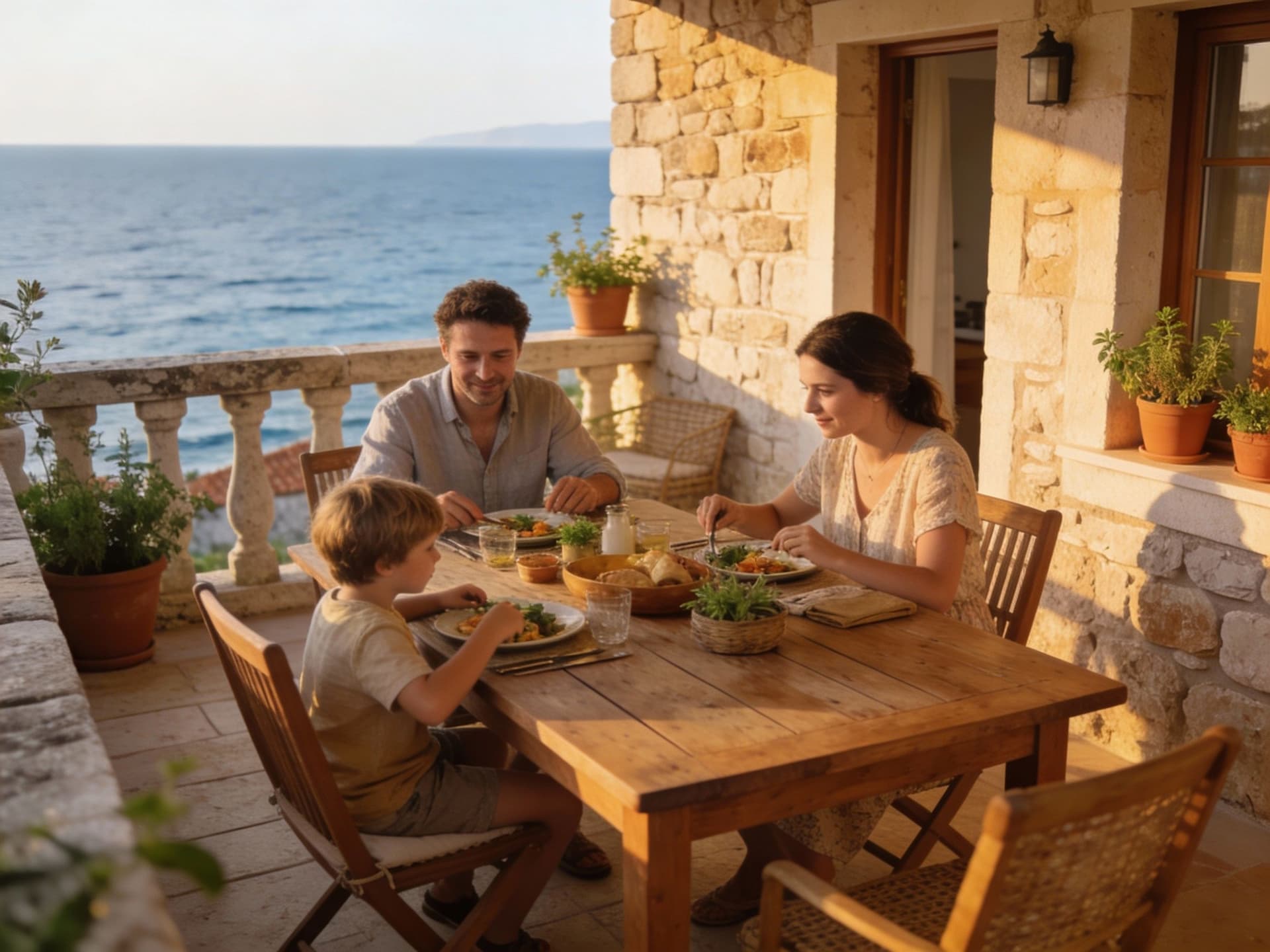
Coastal towns like Trogir, Šibenik and Rovinj reward you with sea views, stone terraces and a calendar dominated by boating and festivals; life orients outdoors. Zagreb’s neighborhoods — Mimara, Šalata or the Lower Town — centre on cafés, galleries and year‑round services. Which you choose changes everything: a coastal villa requires attention to salt, parking and seasonal rental rules; a Zagreb apartment prioritises insulation, certified heating and proximity to schools or hospitals.
Food, markets and the weekend rhythm
Picture Saturday mornings at Dolac market in Zagreb, fishermen unloading catches in Split’s Riva, or truffle vendors arriving in Istria. Buying a home here often means buying into these rituals: access to local markets, a kitchen sized for whole fish and friends, and easy storage for olive oil and preserved produce. For eco‑minded buyers, small orchards, mature olive trees and south‑facing terraces matter as much as a roof orientation or PV potential.
- Lifestyle highlights to test during visits: • Morning espresso at Split’s Riva and a walk through Pazar market • Sunset aperitivi on Hvar’s St. Stephen square • Weekend cycling and picnics in Zagreb’s Maksimir Park • A truffle tasting in Motovun (Istria) in late autumn • Kayaking around Kornati islands for quiet coastal coves
Making the move: practical considerations
The dream of a stone house with an olive grove meets a legal reality: Croatia treats EU/EEA/Swiss citizens differently from other nationals. EU citizens generally buy without special consent; non‑EU buyers often need ministerial approval under the reciprocity principle. That means timing and paperwork must be part of your lifestyle planning — you could fall in love with a place but wait months for formal consent.
Property types and how they shape life
Stone village houses, coastal villas and Zagreb flats each bring different maintenance rhythms. Coastal homes need salt‑resistant fittings and thoughtful landscaping to conserve water; inland stone houses demand insulation and moisture management. Recent house‑price data show strong coastal growth, so if a sea view is central to your lifestyle you should factor in limited supply and higher prices when budgeting — and a higher bar for due diligence on structural integrity and historic protections.
Work with local experts who defend the lifestyle
- Steps to blend dream and diligence: 1. Visit and live like a local for a week — test morning markets, parking and the season you prefer. 2. Instruct a Croatian lawyer to search land registers and clear encumbrances before you sign. 3. Confirm reciprocity and, if needed, apply for Ministry of Justice consent early. 4. Survey for salt, structural damp, and roof condition (coastal specifics). 5. Check permitted uses: holiday‑rental rules, protected area restrictions and building permits. 6. Ask about municipal plans and any planned infrastructure that might change the neighbourhood vibe.
Insider knowledge: what expats wish they'd known
Expat buyers often underestimate three things: the time for official consents, the local nuances of land use designations, and transfer taxes. Croatia levies a 3% real‑estate transfer tax when VAT is not charged; new builds are often sold with 25% VAT instead. That distinction matters for pricing and monthly costs — and for how you stage a renovation that respects local heritage rules.
Cultural and seasonal realities that change value
Ask locals about festival cycles, ferry timetables and winter road clearing; a village that sparkles in July may be near‑deserted in January. Many buyers decide against pure sea‑front living for that reason — coves close in winter, services scale back, and community life tightens. If year‑round living matters, prioritise towns with hospitals, supermarkets and regular public transport over isolated loveliness.
- Red flags to spot during visits: • Unclear land registry entries or missing building permits • Properties lacking insulation or with visible rising damp • Overly high short‑term rental income promises with no records • Discrepancies between seller claims and municipal zoning • Sellers pushing for cash deals or rapid closing without legal checks
A home in Croatia can be a restoration project or a gentle, low‑impact retreat; either path calls for local partners who understand place. Your agent and lawyer should not only speak your language but also the language of land registry, coastal protection and seasonal life. When they do, you get a house that supports a sustainable lifestyle — olive trees that thrive, solar panels that pay back, and a garden that feeds neighbours as well as you.
Next steps to make it real
Practical next steps: 1. Check if your nationality requires reciprocity consent (link above) and start any application before you sign a final contract. 2. Order a land registry extract and a professional survey; don’t rely on verbal assurances about boundaries or permits. 3. Budget for transfer tax (3%) or VAT (25% on some new builds), lawyer and notary fees, and at least a 6–12 month timeline if ministerial approval is needed.
Picture this: six months from now you’ve traded tourist crowds for your own seasonal rituals — market visits, neighbourly barbecues, and a garden producing figs. The paperwork was slower than your heart, but you planned for it. You found local experts who value stewardship: an architect who reuses stone and rainwater, a lawyer who explained reciprocity plainly, and an agent who knew the best café where locals gather. That’s the real purchase: a sustainable way of life in a place that rewards patience.
Moss & HearthBritish expat who traded Manchester for Mallorca in 2017. Specializes in guiding UK buyers to luxury Spanish estates with clear navigation of visas and tax.
Related Articles
More insights that might interest you
 Villa Curated
 Villa Curated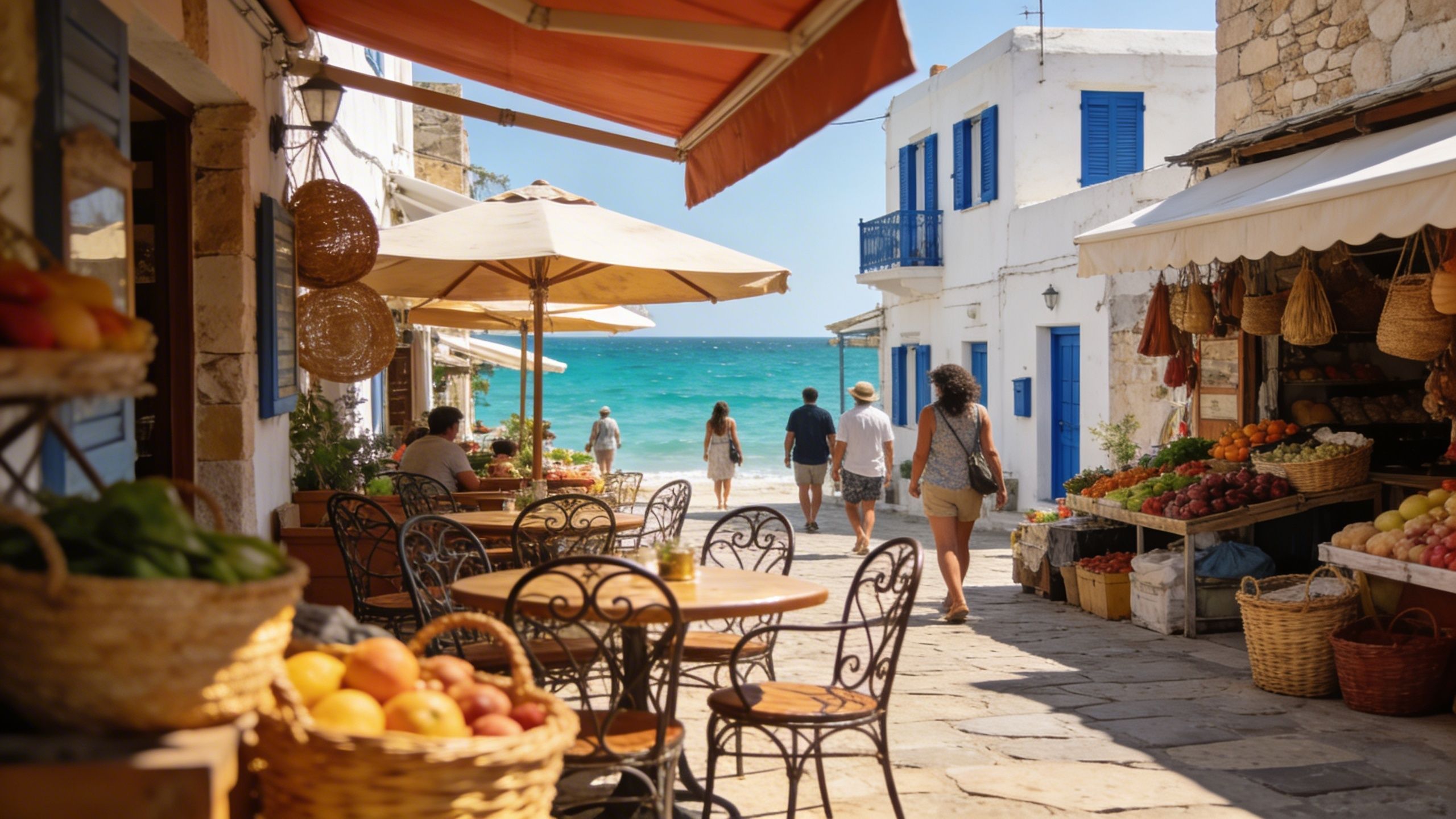
 The Yieldist

