Croatia: Fall for the Life, Then Check the Title
Fall in love with Croatia’s coast and cities — then protect that life with targeted due diligence: land‑register checks, seasonal visits, and local legal support.
 MoveSettleGo
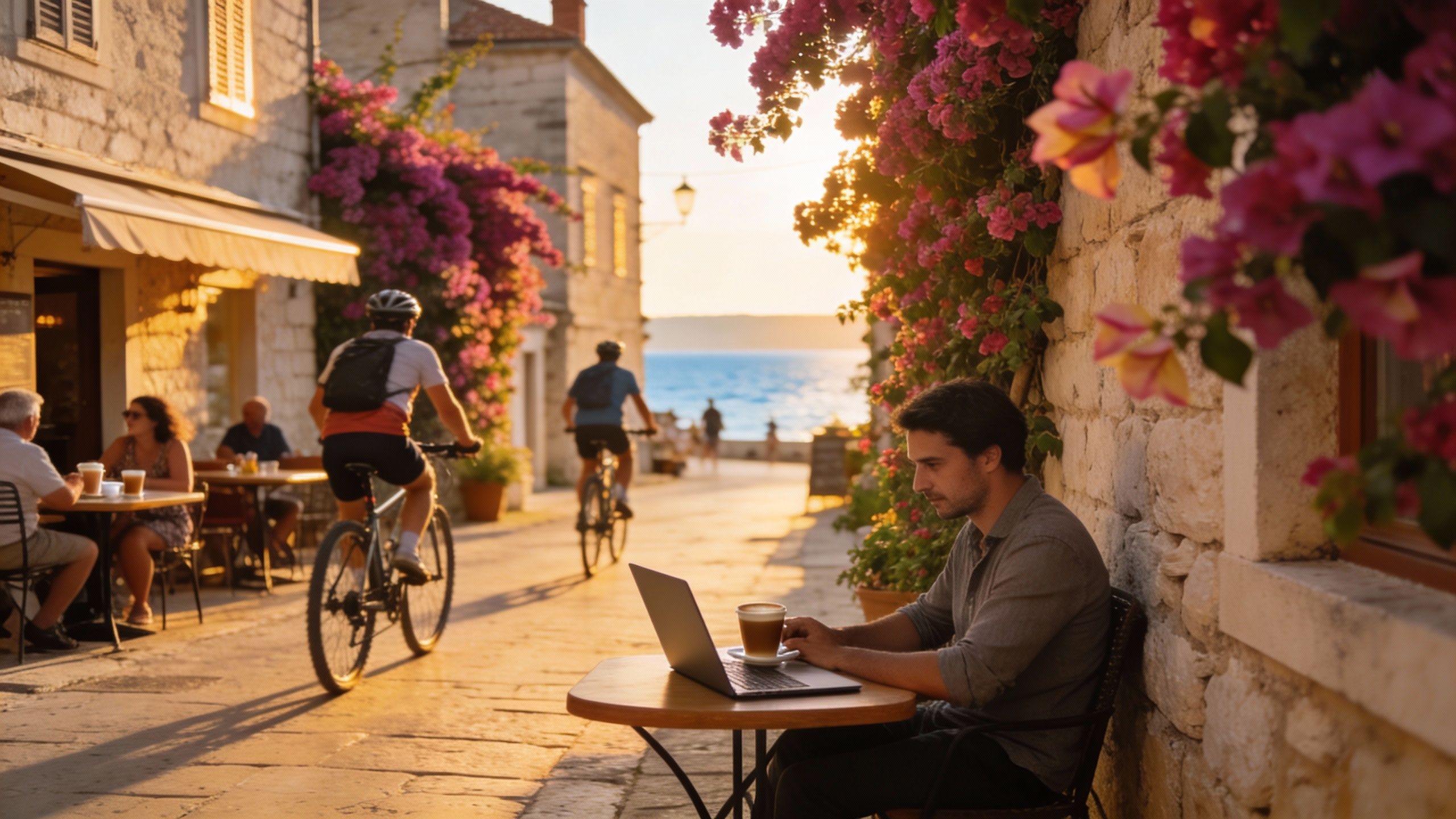
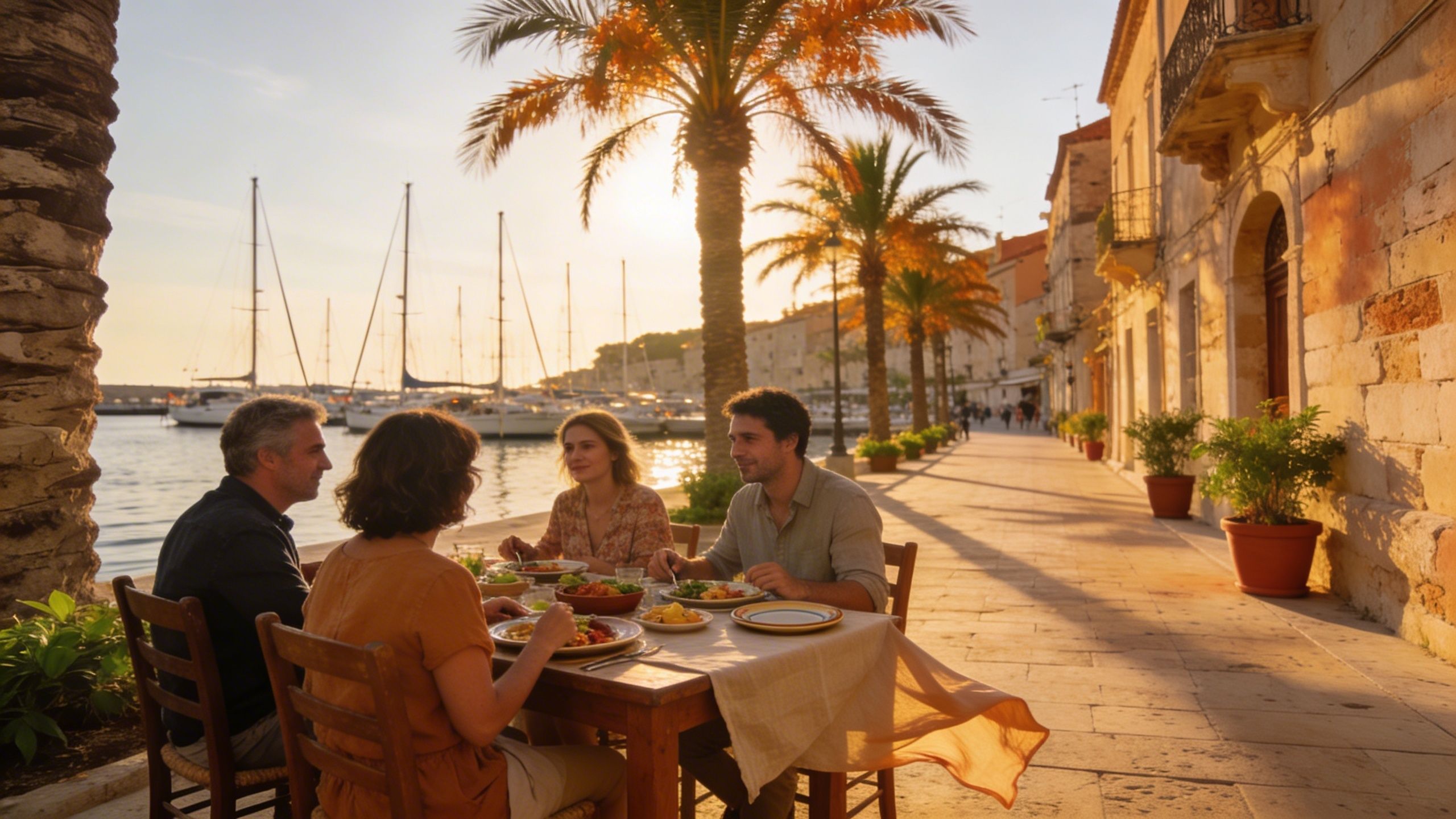
Imagine sipping an espresso on Split’s Riva at 8am, then logging into a quiet coworking space in Varoš by 9:30 — that’s Croatia: old stone streets, Adriatic breeze, slow lunches and efficient EU‑style systems. But the romance of coastal life meets a very real market: prices surged in recent years, and buying here needs more than heart‑led impulse. According to national data, dwelling prices climbed sharply into 2025, reshaping coastal demand and inland opportunity.
Living the Croatia life: daily rhythms that sell a neighbourhood
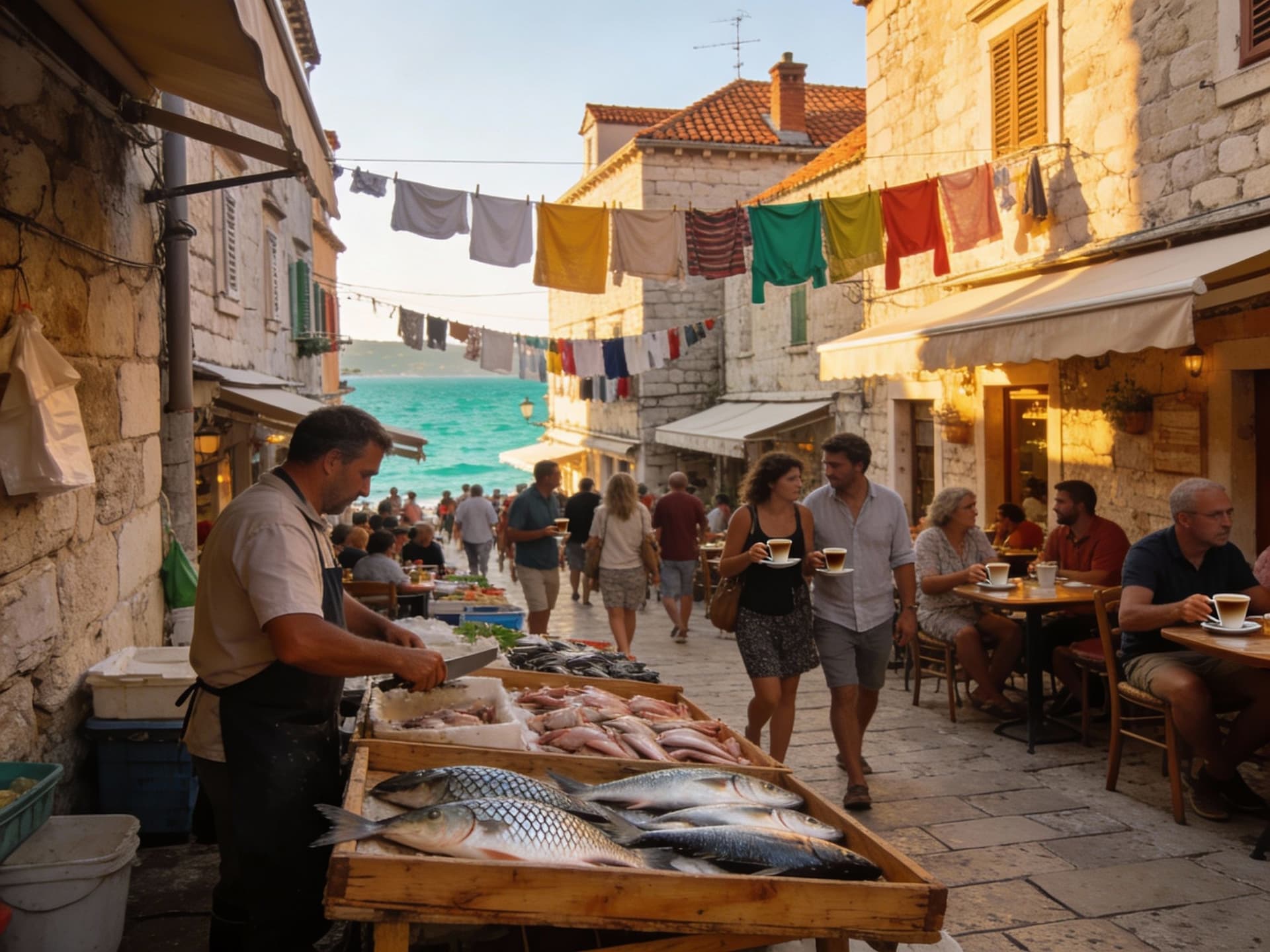
Mornings are for markets: fish sellers at Hvar’s main piazza, bakers opening in Zagreb’s Upper Town, and café tables filling in Zadar’s Old Town. Afternoons slide into beach swims, vineyard visits in Istria, or siesta‑style pauses in Dalmatian villages. Evenings mean long dinners — seafood, grilled meats, chutneys of olive oil — and a social scene where neighbourhood bars matter more than clubs. These rhythms shape where locals choose to live and what buyers should expect from properties and communities.
Zagreb: urban pulses, coffee culture and reliable infrastructure
Zagreb blends Austro‑Hungarian architecture with modern coworking hubs. Streets like Tkalčićeva buzz with cafés and remote workers; neighbourhoods such as Maksimir and Đorđićev have parks and family life. For nomads who need consistent broadband and year‑round services, Zagreb offers a pragmatic coastal alternative: city apartments, stable utilities and easier long‑term residency logistics than island towns.
Dalmatian coast: island days and the seasonal real estate beat
From Split’s Diocletian‑framed life to Korčula’s pine‑lined coves, the coast is magnetic — but it’s also seasonal. Summer rents spike, short‑term tourism shapes neighbourhoods, and properties with terraces and sea views sell faster. If you crave community beyond July and August, look for places with year‑round residents: Sutivan on Brač, Šibenik’s old town fringe, or the quieter north Istrian towns where cafés stay open through winter.
- Morning markets, hidden beaches, and community rituals worth living for: - Fish market breakfast at Rijeka’s Korzo - Espresso and coworking at Zagreb’s Henricha VII area - Sunset swims at Zlatni Rat, Bol (off‑season calm) - Istrian truffle festivals and weekend winery runs - Sunday family lunches in Konavle villages with local bakers
Making the move: practical checks that protect the lifestyle
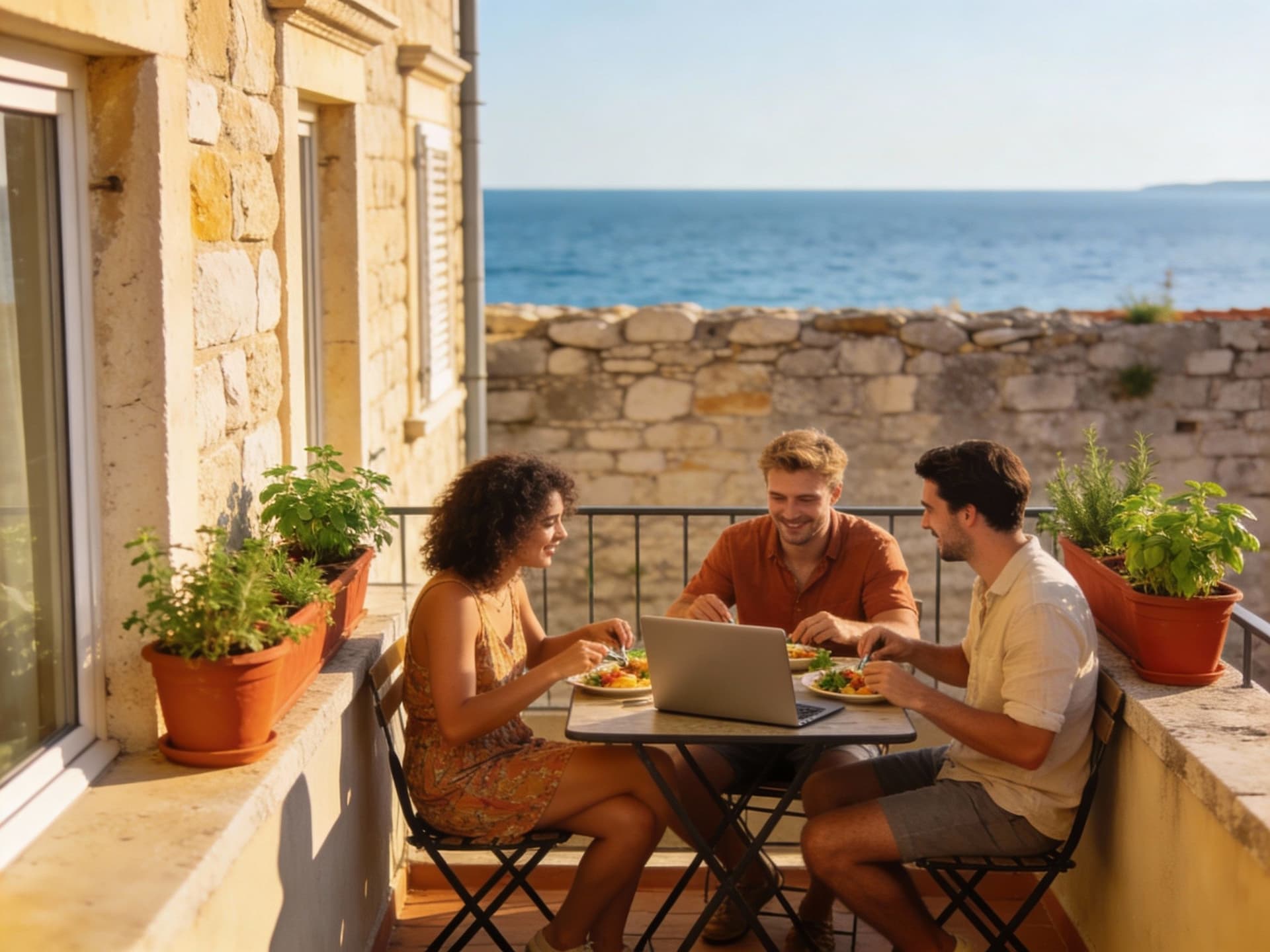
Love of place doesn’t excuse sloppy due diligence. Croatia’s land registry (zemljišna knjiga) and cadastre records are essential for confirming clean title, easements, and legally permitted building use. A charming stone house with an unfinished roof might hide unresolved building permits or neighbour disputes — issues that kill the summer vibe and your timeline. Get the paperwork early so the dream remains a joy, not a legal tangle.
Property types and what they mean for nomad life
New builds: modern insulation, easier warranties, often pricier per m². Historic stone houses: unbeatable character, higher renovation and permit headaches. Apartments in coastal buildings: great for lock‑up‑and‑leave but watch condominium rules and tourist rental policies. Choose based on how you’ll actually use the place: seasonal getaway, full‑time base, or an income‑driven short‑term rental.
How local experts protect both lifestyle and legal safety:
- 1. Notary and land‑register check: Confirm title and encumbrances immediately. 2. Local lawyer review: Ask for contract review in Croatian and a reliable translation. 3. Utility confirmation: Verify water, sewage and broadband availability for remote work. 4. Permit history: Check planning permissions if you plan renovations. 5. Residency/tax clarity: Consult an accountant about income from rentals and local tax registration.
Insider knowledge: mistakes expats keep repeating — and how to avoid them
I met a British buyer who fell for a Korčula stone villa after four days on the island. Paperwork found months later revealed communal access rights that blocked their driveway in winter. The lesson: visit across seasons and confirm everyday logistics — heating, winter roads, local services — before signing. Small lifestyle details dismantle romance fast if they’re not checked.
Cultural quirks that change where you should buy
Croatians prize family clusters and local tradition; some coastal streets are busy with family gatherings late into the night during summer. If you value quiet all year, prioritize inland or certain northern Istrian streets where the rhythm is steadier. Also: many older sellers use informal agreements — insist on formal contracts and notarised deeds so local customs don’t turn into legal headaches.
Long‑term lifestyle vs. short‑term gain
Croatia’s market has seen sustained growth, especially inland ‘Other’ regions where prices rose strongly in 2025. That means inland properties can offer long‑term value and calmer daily life; coastal buys often trade higher liquidity and summer income but come with regulatory attention to short‑term rentals. Think five years ahead: is this a place you’ll want to live in March as happily as in August?
- Quick red flags when doing due diligence: - Missing or inconsistent entries in the land registry - Unresolved planning permits or illegal extensions - Lack of reliable broadband or municipal water supply - Overdependence on seasonal tourism for neighbourhood life - Seller pressure to skip formal notary steps
- A simple timeline for a confident Croatian purchase: 1. 0–2 weeks: shortlist areas, visit in at least two seasons if possible. 2. 2–6 weeks: request land registry extract, preliminary lawyer review, and utility checks. 3. 6–10 weeks: negotiate price, secure preliminary contract (predugovor) with deposit. 4. 10–14 weeks: notary, final deed transfer, register in zemljišne knjige and set up utilities/tax ID.
Final note: Croatia sells a life — sea air, market mornings, dinners that last. But to live it, pair that vision with meticulous checks: land‑register confirmations, trusted local lawyers, and seasonal visits. A good local agency is not a sales machine; they’re the friend who knows which street stays alive in winter, which building has reliable fibre, and which notary will move quickly. Fall in love on the Riva, but close with your eyes open.
MoveSettleGoBritish expat who moved from Manchester to Mallorca in 2017. Specializes in market analysis and helping fellow Brit navigate local regulations.
Related Articles
More insights that might interest you
 Villa Curated
 Villa Curated
 The Yieldist

