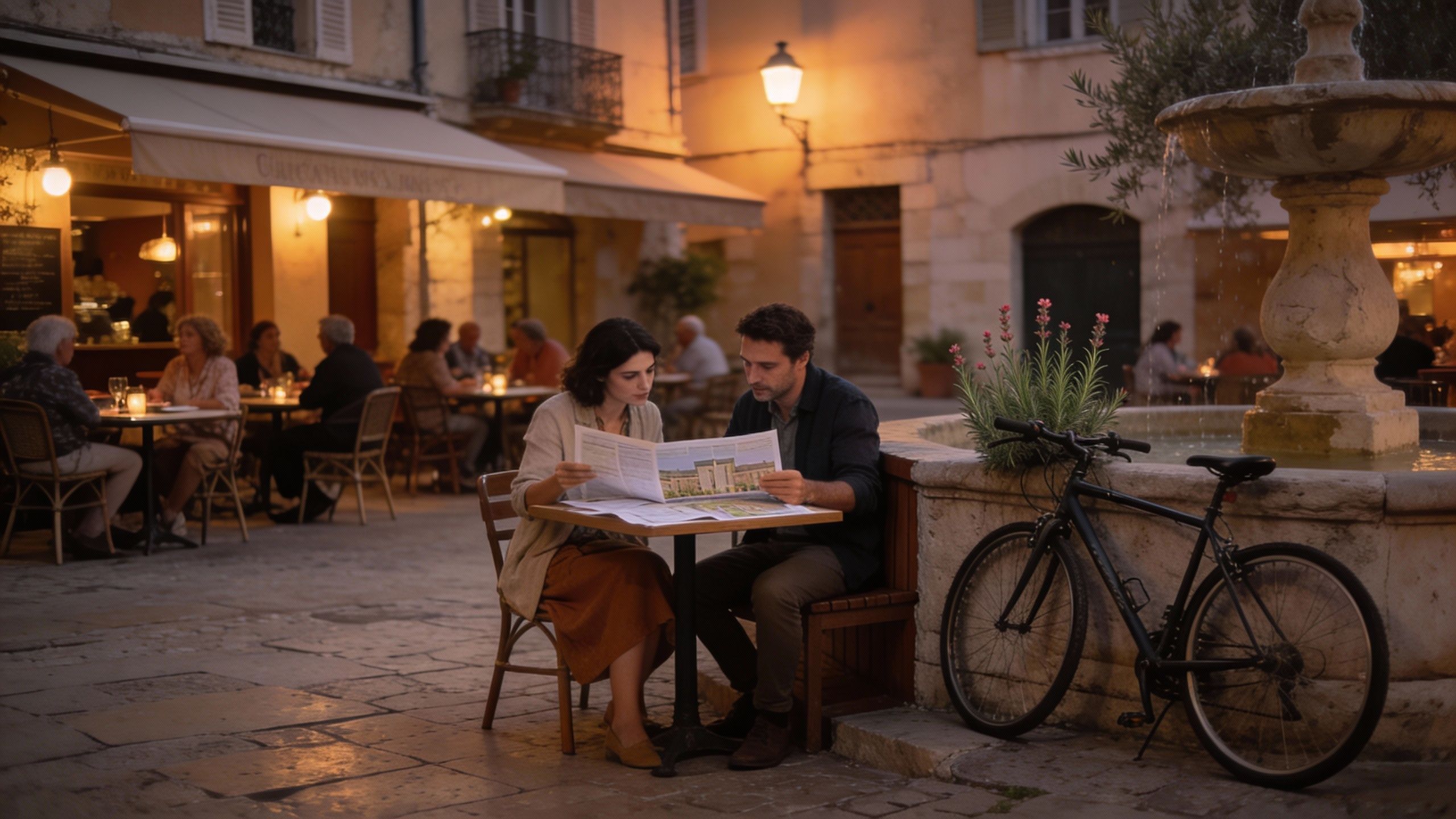
Why Summer House‑Hunting in France Often Misleads
Fall in love with France’s seasonal life — then close with clauses that protect the home, neighbourhood and ecology backed by INSEE and official tax guidance.
 Moss & Hearth
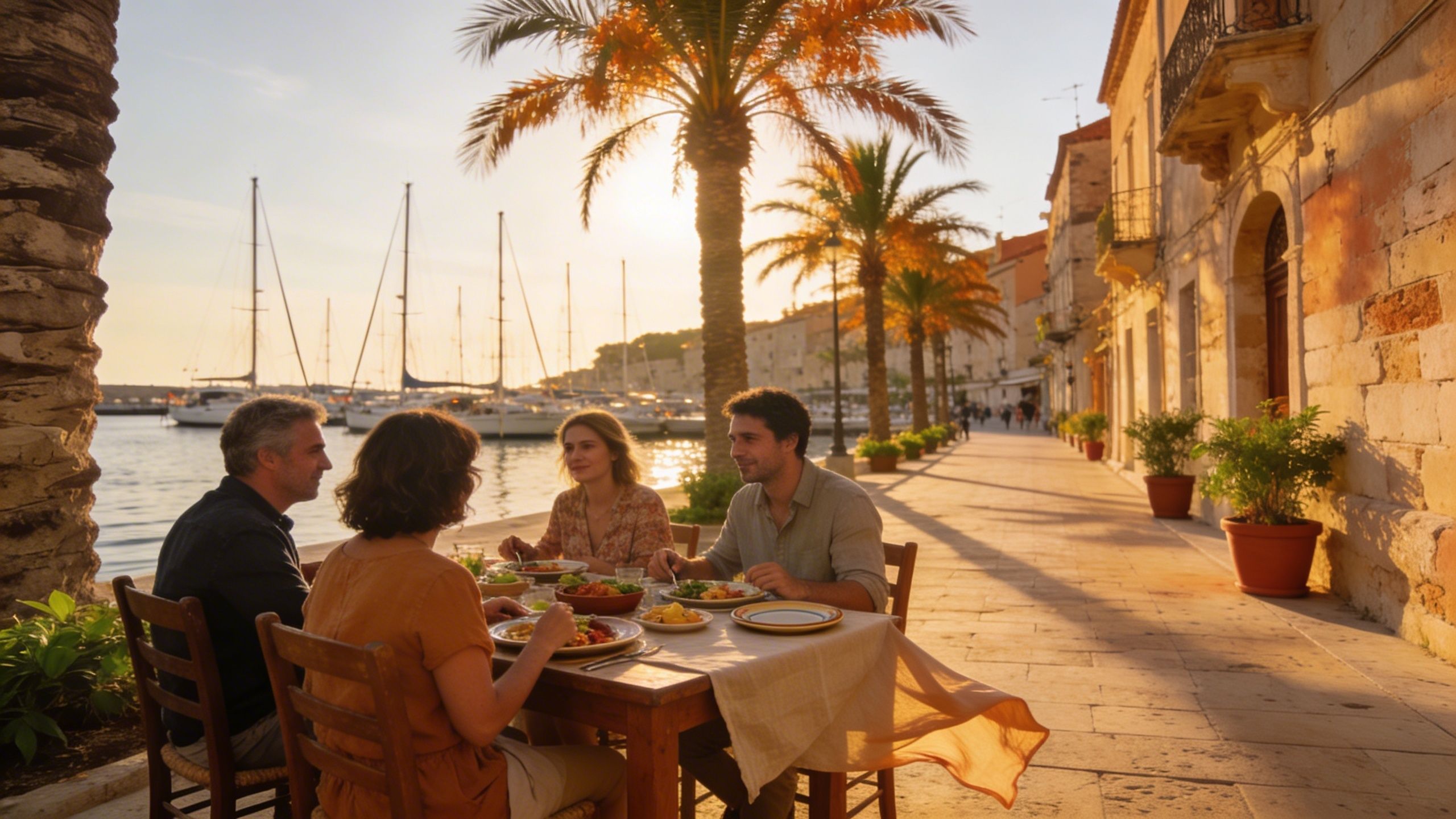
Imagine an early September morning in Aix‑en‑Provence: a baker slides warm fougasses into a shop window, cicadas hum from stone terraces, and a real estate agent meets you at a shaded café to talk about vaulted ceilings and the south‑facing garden. France seduces through daily rituals — market runs, late dinners, village fêtes — and those rituals shape everything from which window you choose to the timing of a purchase.
Living the French life: rhythms that shape property choices
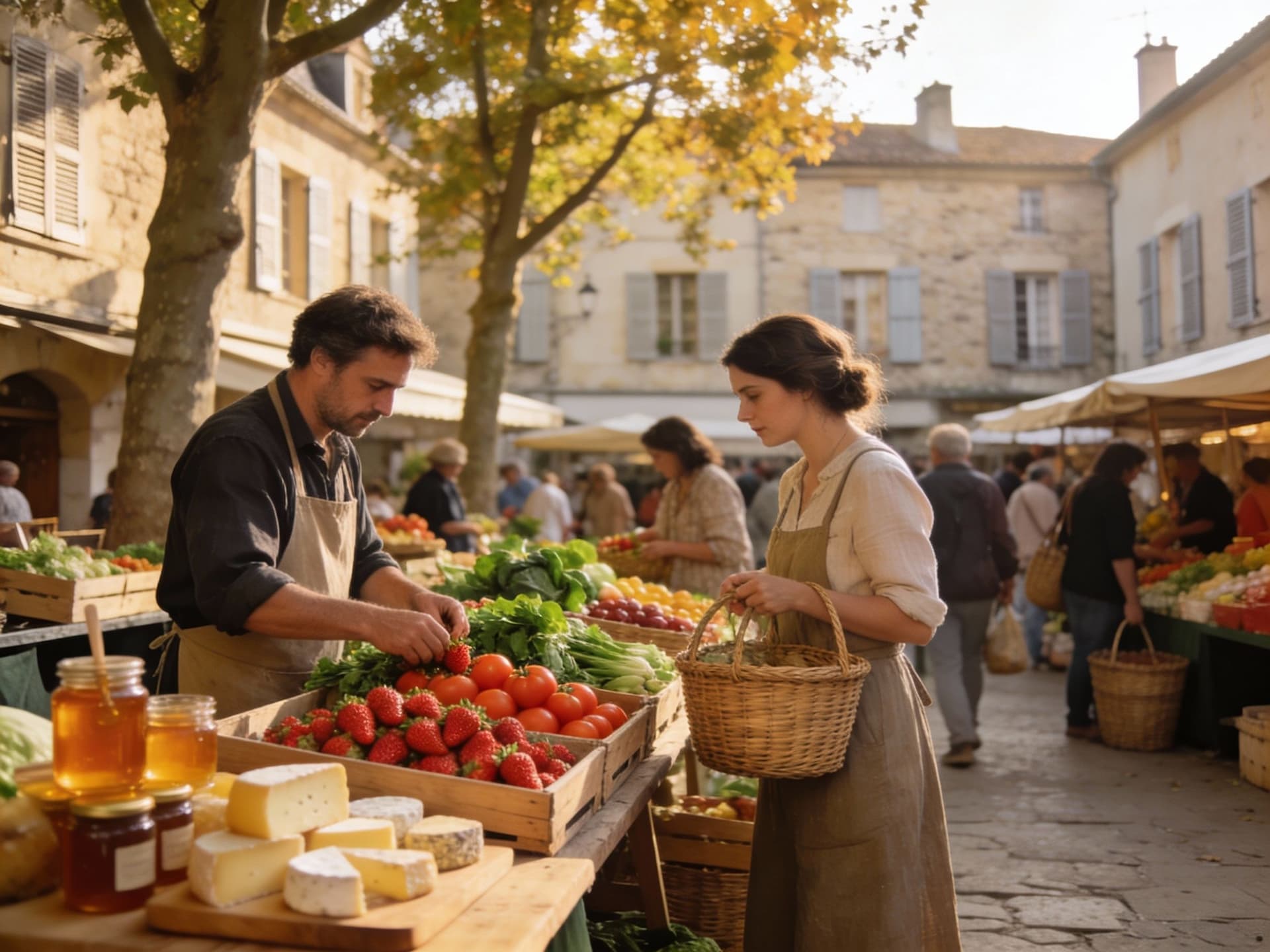
France is not a single mood but many: the tide‑kissed Riviera mornings, the hush of Dordogne mornings, the coffee clatter in Parisian arrondissements. These rhythms affect what buyers value — a shaded courtyard in Provence, insulation and double glazing in Brittany, or a compact flat near a marché in Lyon — and they should guide closing terms and stewardship planning.
Paris: layered mornings and strict regulations
Parisian life is punctuated by short walks to cafés and tight 19th‑century staircases. Expect condominium bylaws, co‑propriété charges, and strong local rules on short‑term rentals. These communal details often determine whether a central flat is a soulful pied‑à‑terre or a bureaucratic burden for an international buyer.
Provincial charm: sun, stone and seasonal swings
In places like Dordogne, Provence or the Lot, seasons define life: summer village markets and autumn chestnut festivals. That seasonal cadence makes stewardship — garden plans, winterising systems, and reliable local caretakers — part of your closing checklist, not an afterthought.
Making the move: practical closing steps with a green compass
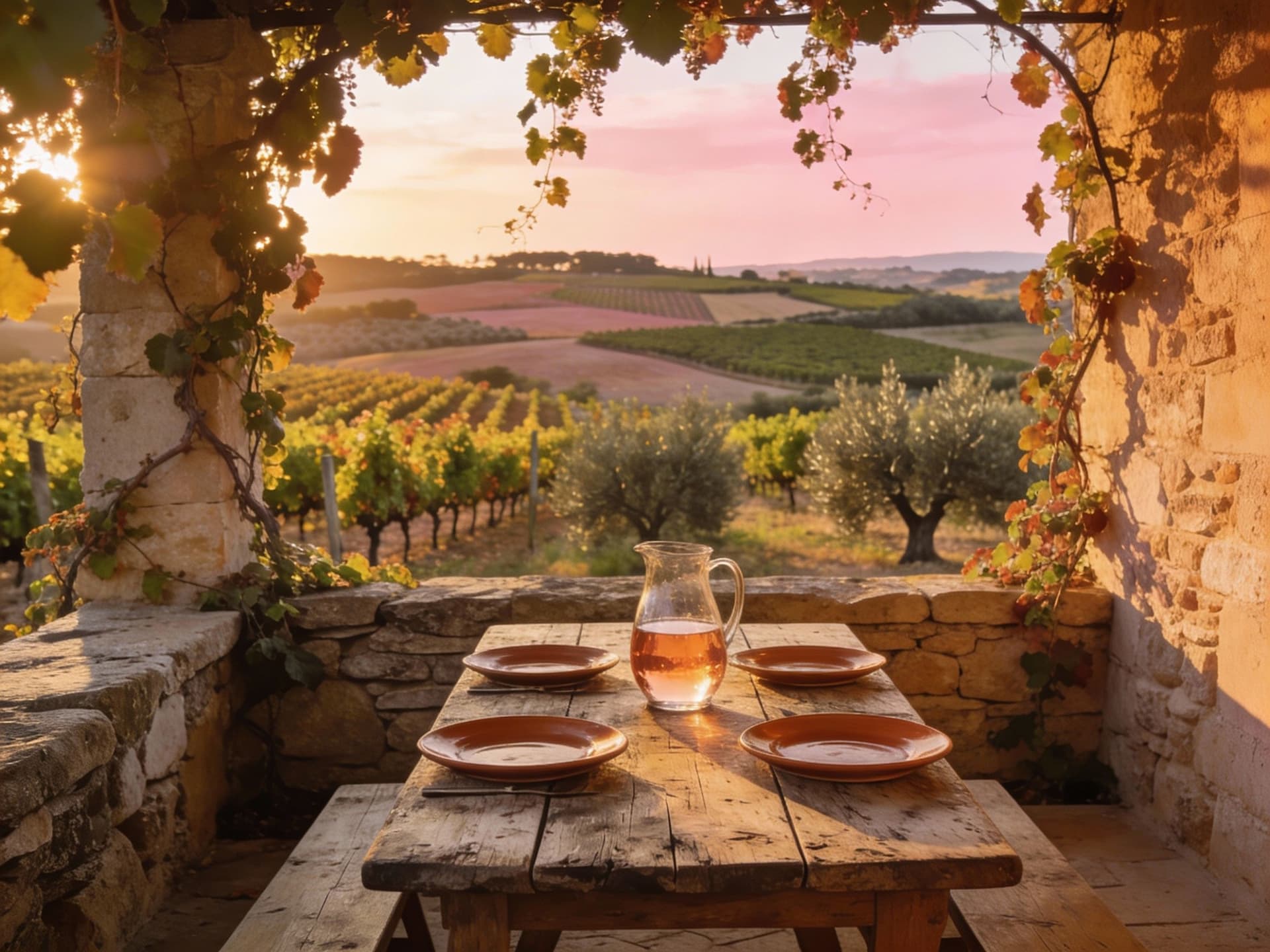
The ritual of signing in France is part law, part human relationship. Notary fees, energy diagnostics (DPE), and tax implications matter — but so does how a property will age in its landscape. Prioritise clauses that protect ecological value: native garden retention, limits on exterior lighting, and obligations for moisture remediation before transfer.
What to insist on before you sign
1. A clear DPE (diagnostic de performance énergétique) and written plan for immediate improvements. 2. A survey clause addressing rising damp and roof condition with agreed remedies and cost-sharing. 3. A practical handover timeline for keys, utility transfers, and a contact for seasonal maintenance. 4. An explicit clause about gardens and trees — if biodiversity matters to you, record it in the acte.
Working with agents and notaries who share stewardship values
Choose agents and notaires who understand ecological stewardship. They can craft clauses that require low‑impact repairs, specify local craftsmen for restorations, and arrange energy audits before completion. For non‑residents, appoint a local representative for tax formalities and to ensure post‑closing upkeep runs smoothly.
Insider knowledge: myths, seasonal timing and what expats really learn
Myth: summer is the best time to buy because everything looks perfect. Truth: summer shows the lived‑in fantasy — garden in full bloom, festival crowds — but conceals issues like water stress, attic heat, and temporary rental income peaks. Recent national data shows national prices stabilising and early 2025 upticks, so timing should be about inspection seasonality, not postcard moments.
Cultural nudges that change how you live and steward a home
French neighbours expect care for shared spaces and seasons. Learn local rhythms: compost etiquette, olive pruning windows, and how village committees manage shared wells. These customs influence what you agree to at closing — and how you write stewardship clauses that keep neighbours happy and ecosystems healthy.
Practical stewardship checklist for your first year
Hire a seasonal caretaker or neighbour contact; schedule a spring energy retro‑fit; plant native hedging instead of fast‑grow exotics; register property occupancy and tax status with impots.gouv.fr; and document all handovers and local guarantees in writing.
Closing in France can be a gentle, place‑honouring ritual when you combine sensory love for the landscape with practical, legally sound stewardship. Picture the first winter by a restored fireplace, knowing you negotiated a clause for insulation work and left a plan for a neighbour to tend the garden. That mix — dream and detail — is how you turn a French house into a lasting, low‑impact home.
Moss & HearthBritish expat who traded Manchester for Mallorca in 2017. Specializes in guiding UK buyers to luxury Spanish estates with clear navigation of visas and tax.
Related Articles
More insights that might interest you
 Villa Curated
 Villa Curated
 The Yieldist

