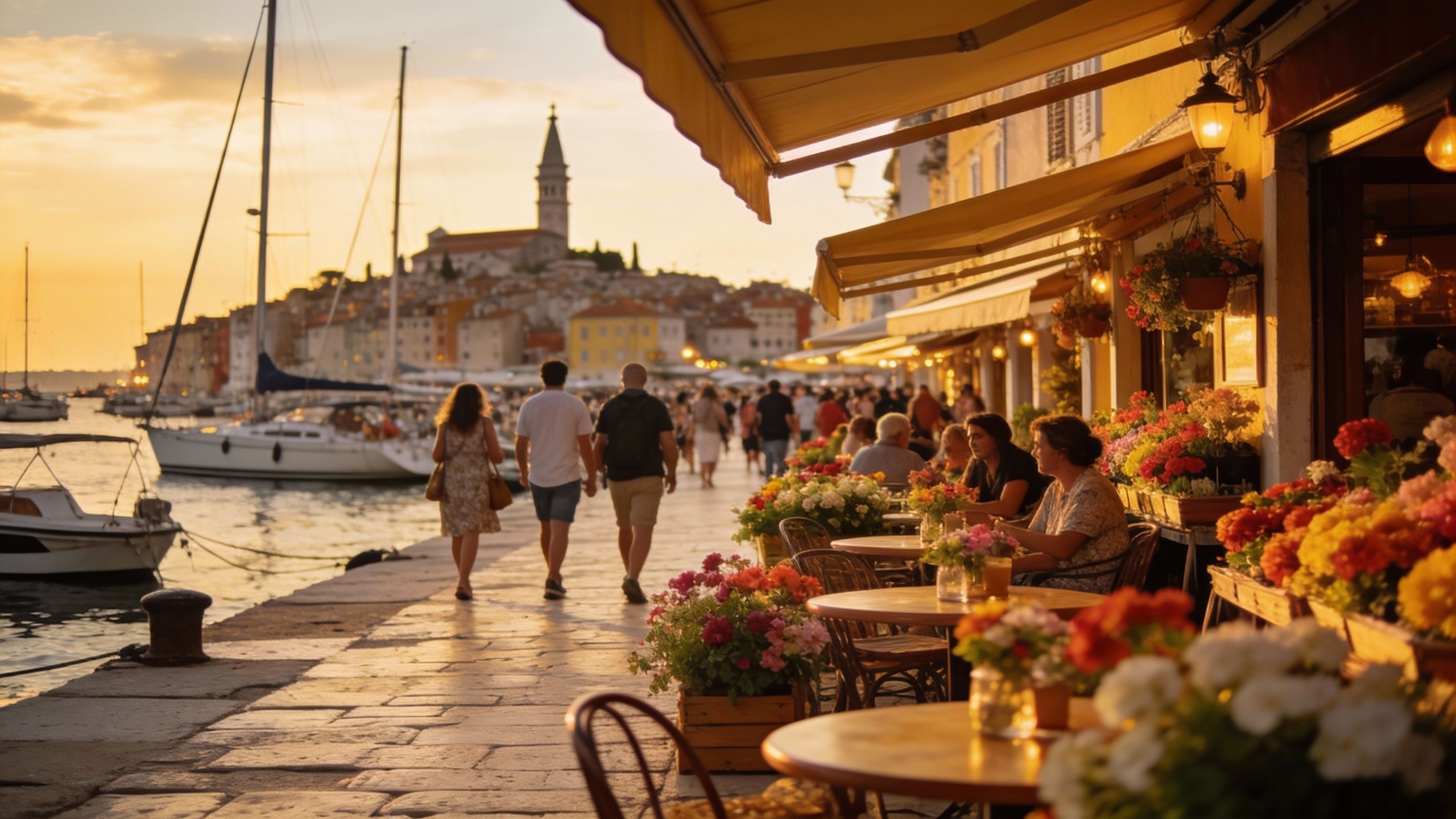
Closing in Croatia: Seasonal Secrets & Stewardship
Fall in love with Croatia’s light and markets, then close with stewardship: market data shows rising prices but cooling sales — prepare, negotiate, and tend your place.
 Moss & Hearth
Imagine waking to the smell of baking burek and strong espresso, then walking a stone street shaded by grapevines toward a sea framed by limestone roofs. In Croatia the pace slows and the light sharpens; coastal towns pulse with seasonal life while inland villages keep a quieter rhythm. That contrast — sunlit tourism and deliberate, year‑round stewardship — is exactly why closing here requires both a lover’s eye and a planner’s checklist. Below I weave the lived experience of Croatian life with the negotiation, closing and stewardship steps that protect both your dream and the place you buy.
Living the Croatian Life: daily rhythms and place
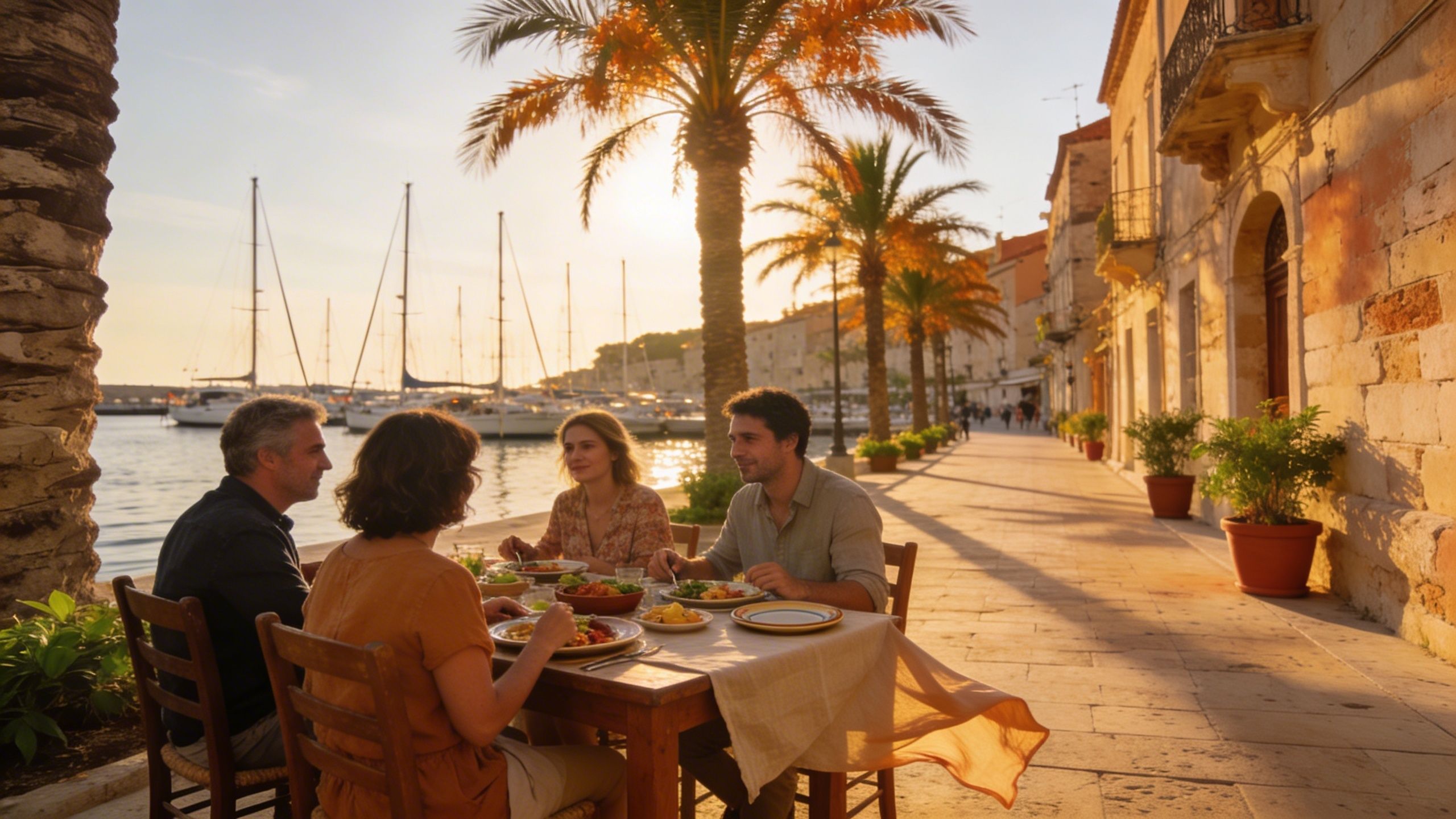
Croatia feels like an invitation to slow living without sacrificing good cafés, lively markets, or world‑class coastline. In Zagreb’s lower town you’ll hear trams and see students crowding cafés on Ilica; along Split’s Riva, fishermen and families mix with evening brass bands. Islands like Hvar and Vis offer lavender and abandoned coves by day, convivial konobas by night, and a calendar of local events — from klapa singing to small wine fairs — that anchor community life. Understanding these rhythms helps you decide whether you want the high‑season vibrancy of Dubrovnik and Hvar or the steadier life of Istria’s interior towns.
Neighborhood spotlight: Split, Rovinj, and inland Istria
Split’s historic core is a tapestry of Roman stone, narrow alleys and cafés spilling onto the promenade — buy here and you buy into a motor of tourism and year‑round life. Rovinj offers a painterly Adriatic fishing town where art studios sit beside sustainable seafood restaurants and olive groves begin just above town. Move inland to Motovun or Grožnjan and you trade boat access for truffle hunts, rolling vineyards and a calmer calendar. Each place has its own sound and scent: sea salt and diesel in the ports, woodsmoke and wild herbs on the hills.
Food, markets and seasonal life that shape ownership
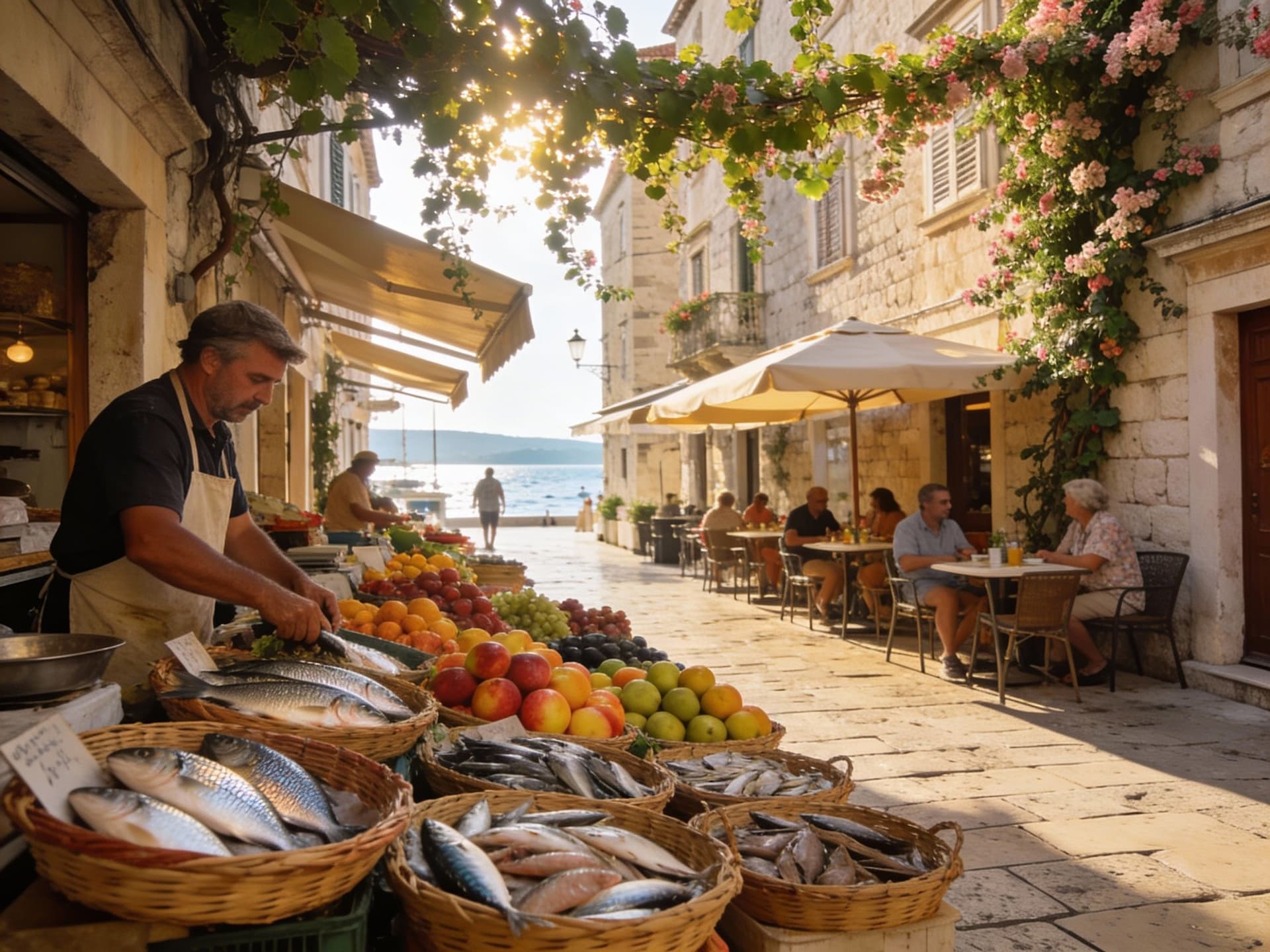
Weekends are market days: in Split’s Pazar you’ll pick up fresh sardines and peka greens; in Zagreb’s Dolac market you’ll trade a few Croatian phrases for orchard fruit and cheeses. Owning here often means embracing seasonal preservation — drying figs, bottling olive oil, tending a small herb patch — and properties with cellars or shaded terraces shine for that reason. The seasonal swell of visitors also affects rental potential and local services, so choose a place whose yearly rhythm matches how you want to live, not just how it feels in July.
Morning espresso at Café U Dvoru, Split; late‑summer market at Dolac, Zagreb; truffle walks on Motovun hill; island ferry trips from Hvar town; konoba dinners in Pelješac; Sunday swims at Stiniva Bay.
Making the move: practical considerations that honour place
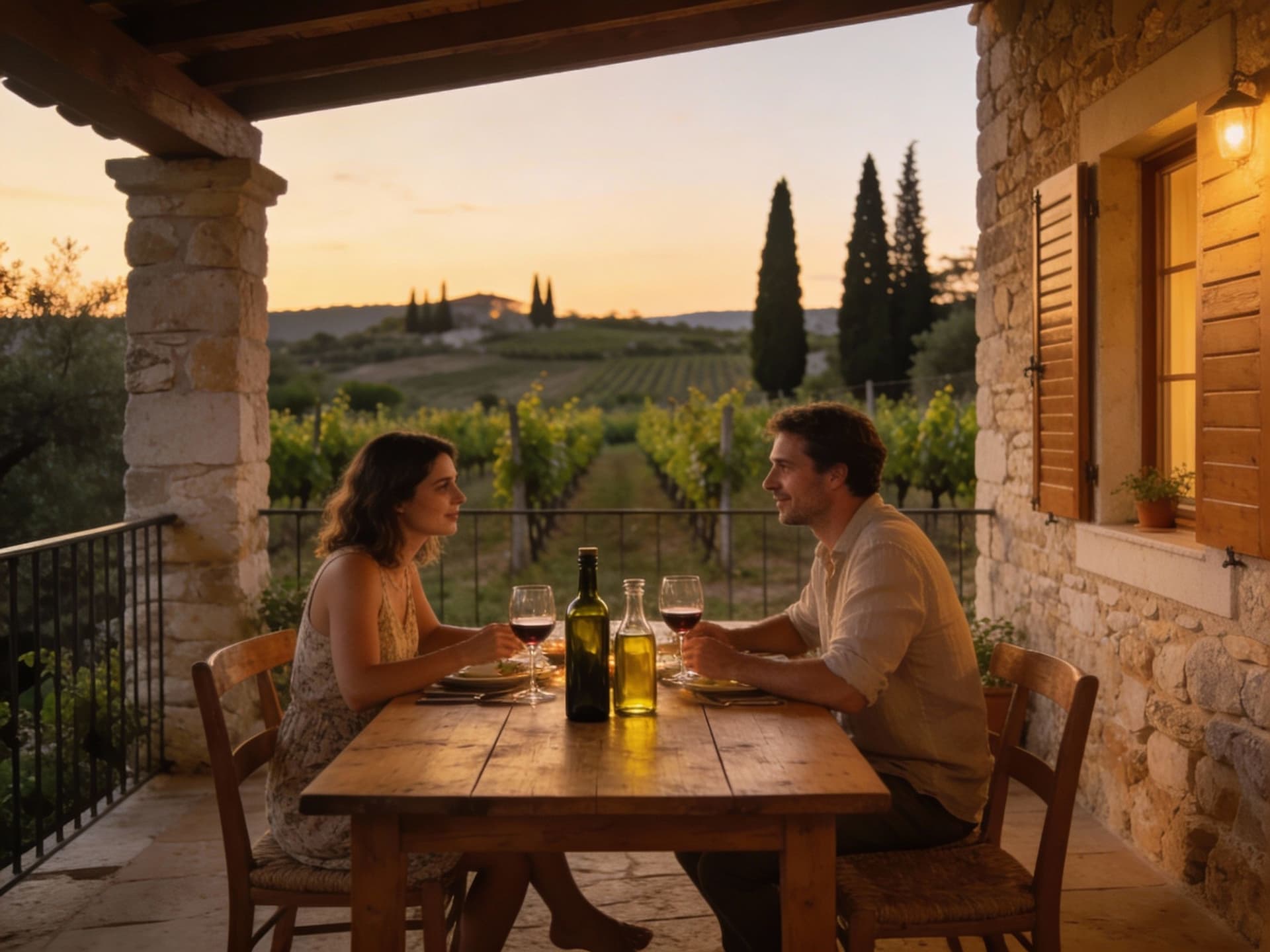
Dreams meet paperwork at the closing table, and in Croatia recent data shows prices rising but transactions cooling — a sign that buyers who prepare carefully can secure both value and stewardship. The Croatian Bureau of Statistics reports notable year‑on‑year increases in dwelling prices, particularly for new builds and coastal areas, while industry analyses highlight faster growth along the Adriatic and continued demand in Zagreb. That mix means negotiation should pair cultural respect with document‑driven leverage: understand seasonal demand, local permit histories, and the condition of traditional stone structures before you commit.
Property styles and how they shape daily life
Historic stone houses with thick walls keep interiors cool through hot summers but often need careful moisture management and sympathetic restoration. New builds and certified eco‑renovations bring insulation, heat pumps and solar arrays that reduce running costs and ease year‑round living. If you crave indoor‑outdoor life, look for properties with shaded loggias, mature terraces and cisterns or rainwater harvesting — small features that make summer living effortless and reduce environmental impact. Think beyond square metres: a well‑placed olive tree, mature garden, or south‑facing terrace will change daily routines more than an extra bedroom.
Working with local experts who protect lifestyle and investment
Hire a bilingual notary and a local lawyer early to check title, boundary history, and any building permits. Use an agent familiar with micro‑neighbourhoods — someone who knows which streets flood in autumn or which wells run dry in summer. Arrange an independent building survey, especially for older stone homes, to flag damp, salt exposure, or structural remediation. Ask for utility bills and maintenance records to understand real running costs and seasonal service availability. Consider a local property manager before you buy if you plan to rent during high season — they can keep the home maintained and your neighbours happy.
Insider knowledge: what expats wish they’d known
Expats often misjudge seasonality, local bureaucracy and the social rhythm that defines neighbourhood life. Sales volumes have slowed recently, so patient buyers who time visits outside July and August — when everything is show‑ready — often find more honest pricing and quieter viewings. Also, locals prize long friendships and reciprocity; being present for a market morning or a village fest can unlock seller trust in ways a faceless offer never will. Finally, stewardship matters: many owners stay long‑term and care deeply for grove and stone; your plans should respect local land use and ecological cycles.
Cultural integration, language and community life
Learning a few phrases, joining a local association or visiting the parish celebration will earn goodwill and practical help when repairs or permits arise. Community ties also influence property upkeep: neighbours will notice unkempt hedges or unused terraces faster than any inspector, and local social norms favor modest, long‑term stewardship over transactional flipping. Many buyers say the best investment isn’t a sea view alone but a street where neighbours look out for one another and a house that can host seasonal gatherings.
Long‑term stewardship: how to keep the place alive
Schedule seasonal checks (roofing before winter, plumbing in spring); prioritize native landscaping over exotic ornamentals; invest in insulation and passive shading to reduce energy needs; document repairs and local agreements for future owners; build relationships with a trusted local carpenter, plumber and olive‑oil producer.
If you love Croatia for its light, markets and coastal life, let those elements guide how you buy. Start by visiting in shoulder seasons to see the town’s true shape, bring local experts into negotiations, and commit to stewardship that respects both home and landscape. When you close with eyes open to ecology and community, the property becomes a living, giving place rather than a temporary asset. Ready to take the next step? Ask an agency with local stewardship experience to show you properties that match a sustainable rhythm, not just a summer postcard.
Moss & HearthBritish expat who traded Manchester for Mallorca in 2017. Specializes in guiding UK buyers to luxury Spanish estates with clear navigation of visas and tax.
Related Articles
More insights that might interest you
 Villa Curated
 Villa Curated
 The Yieldist

