Why French Taxes Make Some Villages Smarter Buys
How France’s local taxes, IFI rules and short‑let regulations shift which towns and property types offer enduring value for international buyers.
 Villa Curated
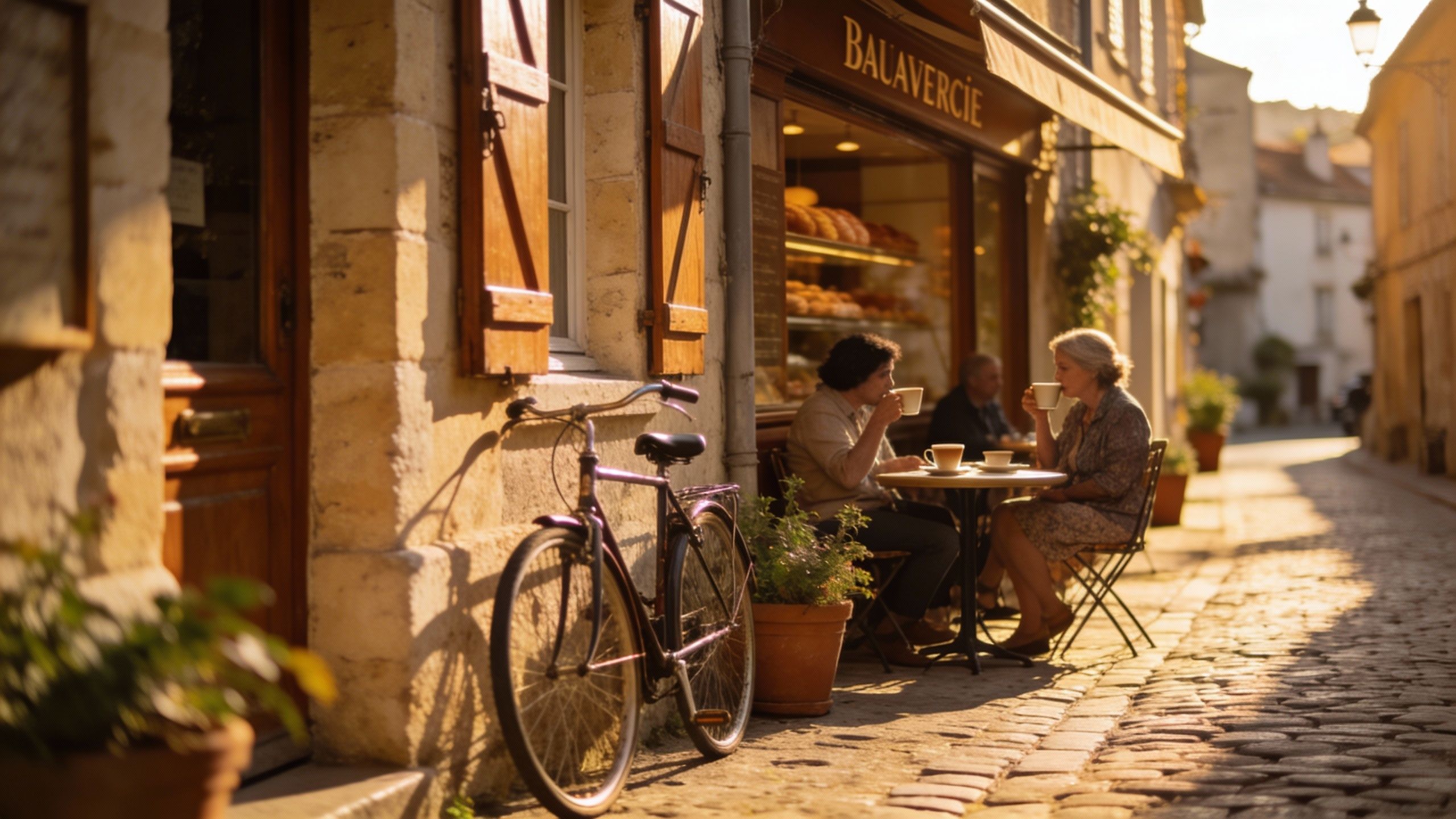
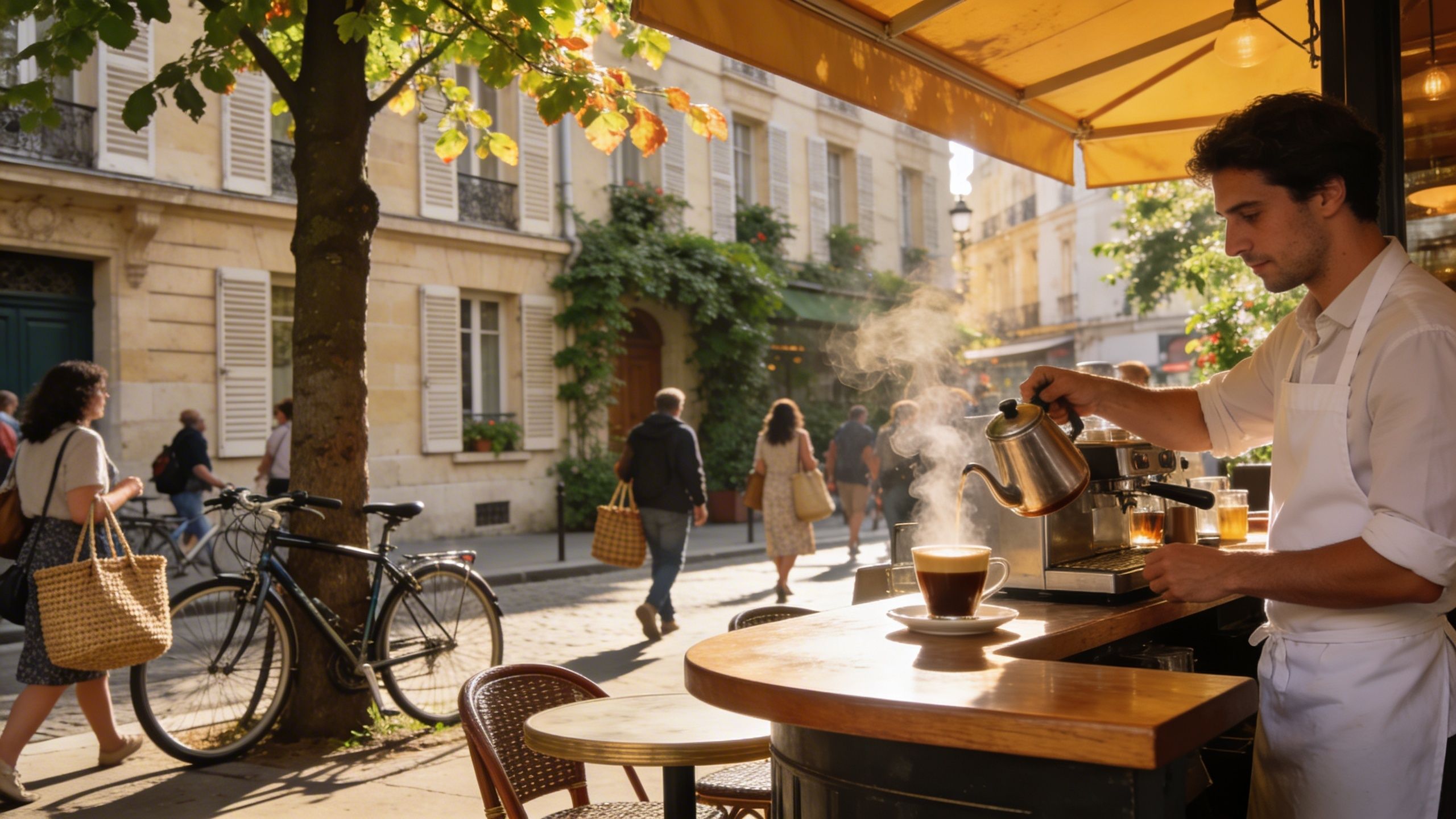
Imagine an autumn morning in Dordogne: chestnuts roasting, a boulangerie queue forming on Rue de la République, and a 19th‑century stone house whose modest asking price conceals a favourable local tax profile. For many international buyers the romance of French villages begins with light, architecture and markets; a quieter arithmetic — local taxes, wealth levies and rental rules — determines whether that romance endures. This guide brings those fiscal realities into the light, so the decision to buy is both aesthetic and assured.
Living the French life — and why tax geography matters
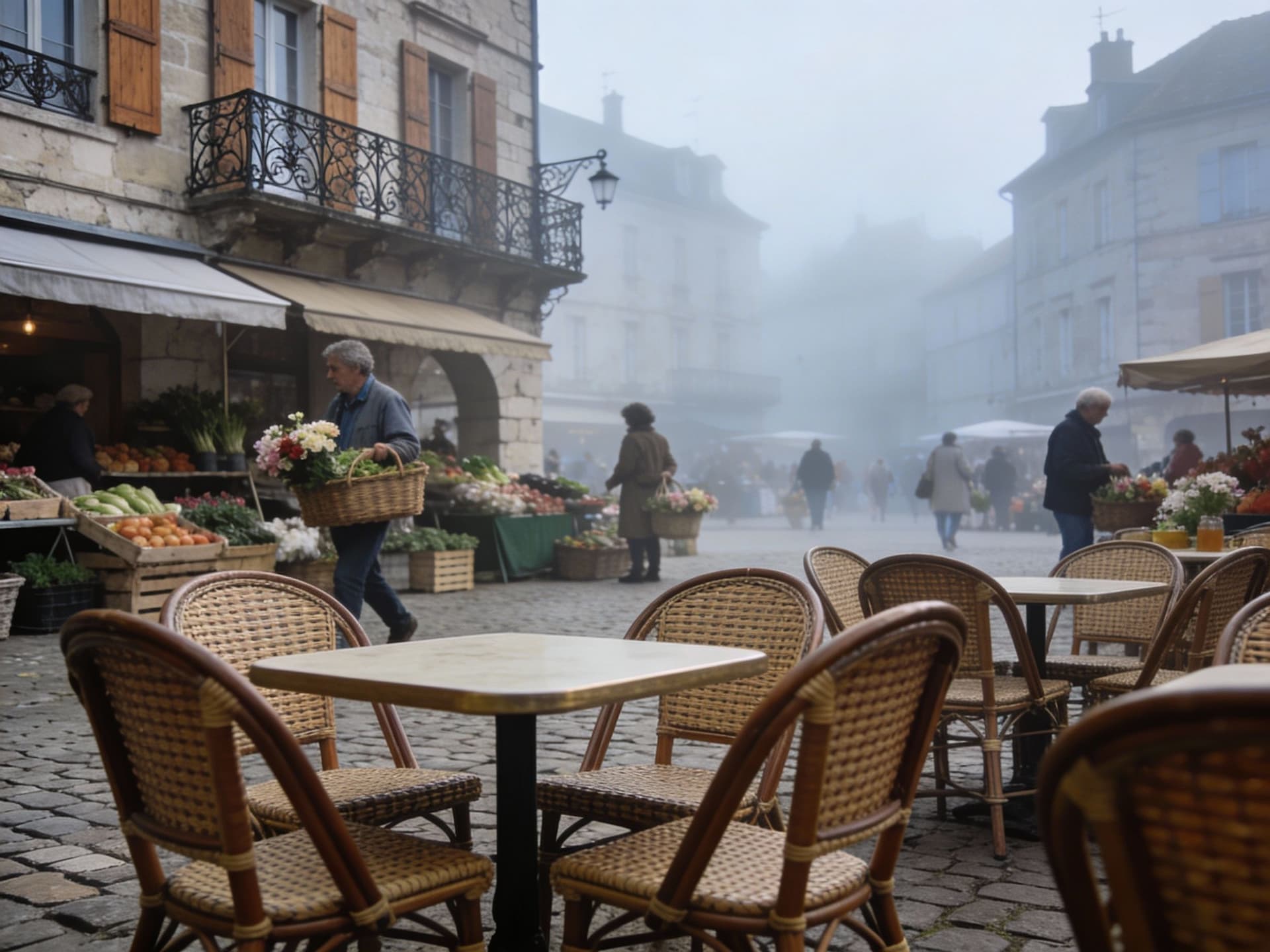
France is lived in neighbourhood by neighbourhood: mornings in Saint‑Germain‑des‑Prés begin with espresso and newspapers, while late afternoons on the Corniche in Nice are measured by the angle of sunlight on limestone façades. Those everyday pleasures are shaped by municipal rhythm — market days, school calendars, and the cadence of tourist seasons — but they are also shaped by how communes set local taxes and by regional demand that informs price trajectories. Choosing where to buy is therefore an exercise in cultural empathy and fiscal prudence at once.
Paris vs provincial towns: lifestyle contrasts
Paris offers unparalleled cultural density — galleries, private museums, and cafés where architects and collectors meet — but it also brings higher taxe foncière and market volatility in certain arrondissements. By contrast, towns such as Albi, Annecy or Sarlat combine heritage architecture with municipal budgets that can translate into lower local taxes and quieter seasonal swings. For buyers seeking permanence and provenance, a provincial house often yields a different quality of life and a more predictable tax backdrop.
How seasons and festivals change the calculus
Provence in lavender season or the Basque coast during surf season can temporarily inflate short‑term rental incomes, but municipal rules and recent regulations have tightened the economics of short lets in many cities. Festivals bring footfall and local commerce, which can support higher valuations, yet they also attract municipal measures that prioritise resident housing over tourist lodging. Sensible tax planning weighs seasonal income against the legal and local constraints that might reduce net returns.
- Lifestyle highlights that influence tax and value:
- Market mornings at Marché des Enfants Rouges, Paris — strong local demand but high competition.
- Sundays in Saint‑Rémy‑de‑Provence — slower turnover, stable prices, municipal support for heritage conservation.
Making the move: taxes that alter the map of value

The paperwork and headline rates are straightforward in outline: property taxes, income tax on rentals, capital gains tax on disposals and, above a threshold, the property wealth tax (IFI). Yet nuance matters: tax residence, treaty provisions and the classification of income (furnished vs unfurnished rental, commercial activity) materially change liabilities. Before falling for a façade, examine how being a non‑resident or re‑establishing tax residence will alter the ledger.
Property types and their fiscal personalities
A pied‑à‑terre in the Marais carries different tax and practical implications from a rendered farmhouse in Dordogne. Urban apartments are often subject to stricter short‑let regulations and higher taxe foncière, while country properties can incur larger maintenance costs and different deductible expense opportunities for declared rentals. Consider how the property's use — primary residence, seasonal retreat, long‑term rental — maps to tax regimes and allow for both visible and hidden carrying costs.
Working with local advisers who understand place and law
A notaire, a French‑qualified tax adviser and a locally rooted agent form the trio that translates lifestyle aspirations into robust transactions. Notaires explain title nuances and inheritance implications; tax advisers align cross‑border treaties with your cash flow; agents surface neighbourhood subtleties — from goûter markets to municipal planning that can affect future value. Engage them early: their combined perspective reduces costly surprises and preserves the life you sought in France.
- Steps to test a property’s true post‑tax cost:
- Estimate local taxes (taxe foncière and taxe d’habitation where applicable) using the commune’s recent rates and compare them to similar properties.
- Model rental income net of VAT, management fees and the likely classification (furnished commercial vs residential), then add contingency for regulatory changes.
- Ask a notaire for a precise capital gains projection, including exemptions for duration of ownership and any treaty protections.
Insider knowledge: three fiscal truths expats often miss
Many buyers assume French taxation follows a single predictable script; in practice, a small change — becoming tax resident, renting as a commercial operator, or holding property through a société civile immobilière (SCI) — rewrites outcomes. For instance, non‑residents remain liable for IFI on French‑situated property over €1.3m, while treaty provisions may shift capital gains taxation. These distinctions are not academic; they influence which communes, which property types and which ownership vehicles are most sensible.
Cultural and administrative quirks that affect money
French administration prizes provenance and paperwork; a missing diagnostic or an ambiguous planning permission creates delays and fines. Local councils may also apply fiscal incentives for restoration of listed buildings or for adaptive reuse that benefit stewards of heritage properties. Respect for process and an appreciation for local priorities therefore protect both lifestyle aims and the fiscal bottom line.
What expats wish they’d done differently
Experienced buyers often cite three regrets: underestimating indirect local costs, neglecting to check short‑let rules, and delaying advice on succession planning. A notaire’s guidance on French inheritance law (forced heirship) is particularly important for those who wish to pass property to non‑EEA heirs. Early, place‑specific counsel turns avoidable mistakes into deliberate choices.
Today’s market is selective: national indices show modest price recovery in 2025 even as secondary‑home transactions lag, a pattern that favours buyers who prioritise use and stewardship over transient yield. Choosing a locale with cultural depth — a square with a weekly market, a chapel, a trustworthy boulanger — often yields steadier capital preservation than chasing coastal glare. Fiscal prudence, married to local knowledge, reveals where value is quietly accumulating.
- Red flags that suggest tax‑driven risk:
- Unclear use history—if a property has been used as a commercial short‑let without permits, you inherit regulatory exposure.
- Opaque ownership structures—complex offshore holding can complicate French IFI treatment and inheritance.
- Rapidly rising municipal taxes—check recent commune budgets before estimating ongoing carrying costs.
Conclusion: love the light, account for the ledger
France will reward those who regard home‑buying as stewardship rather than speculation. Start with a place you would be content to inhabit in all seasons, then ask the fiscal questions that preserve that life: how will taxes, local regulation and ownership structure alter cash flow and succession? Engage a notaire, a tax specialist and an agent who knows the commune; together they transform the romance of a street into a durable investment.
Next steps: request a commune‑level tax summary, obtain a notaire’s inheritance briefing, and model rental income under both short and long‑let scenarios before making an offer.
Villa CuratedNorwegian with years in Florence guiding clients across borders. I bridge Oslo and Tuscany, focusing on legal navigation, cultural context, and enduring craftsmanship.
Related Articles
More insights that might interest you
 Ashworth & Drake
 Ashworth & Drake
 Villa Curated