Malta’s Compact Advantage: Where Value Hides
Malta’s compact neighbourhoods trade scale for texture—discover where lifestyle meets steady market signals and which micro‑markets international buyers should watch.
 Ashworth & Drake
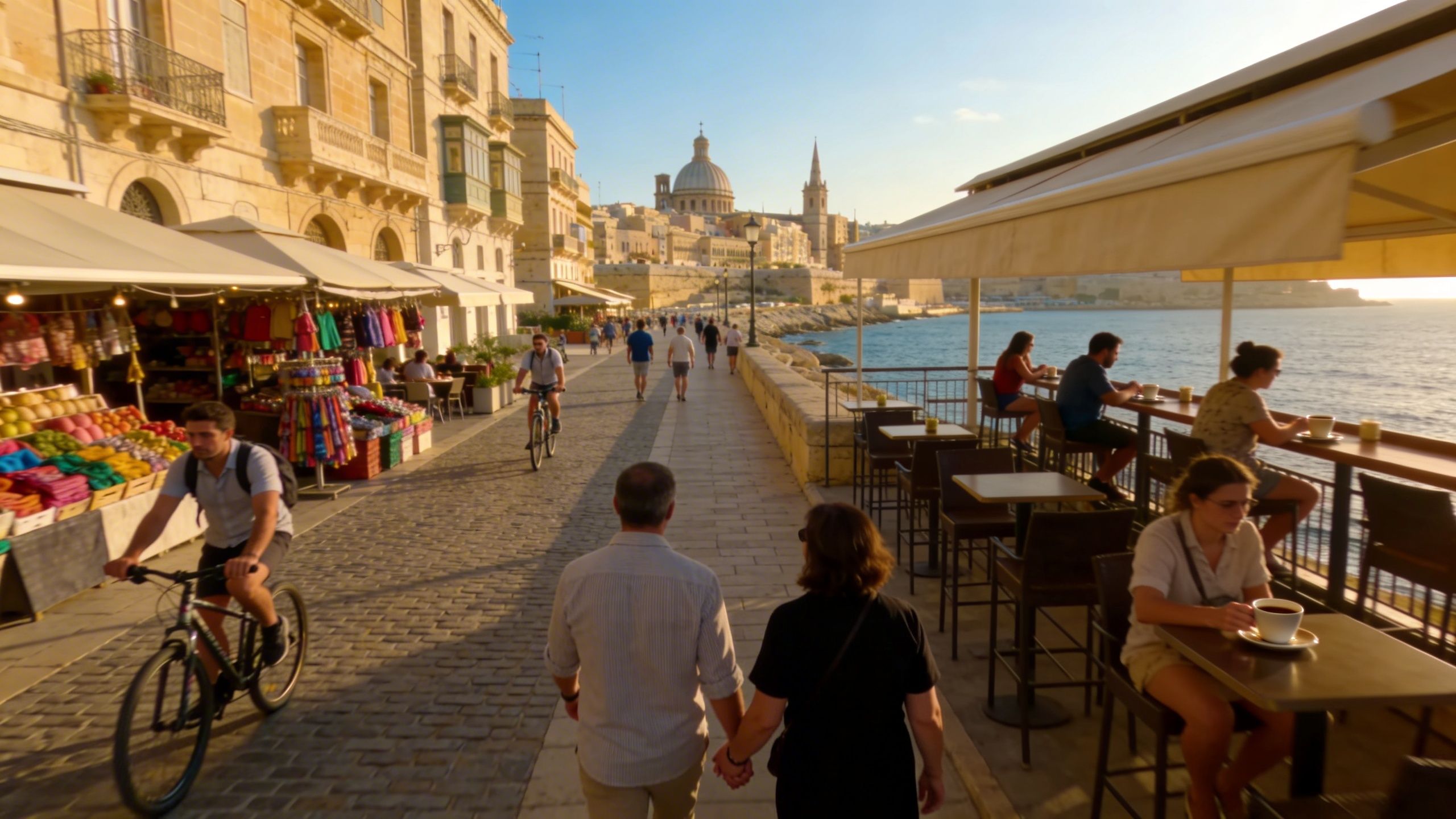
Imagine stepping out at 8 a.m., espresso in hand, down a narrow Valletta lane where limestone warms underfoot and the harbour reflects a dozen different kinds of blue. That's Malta: compact, social, and layered — a place where a short walk replaces an hour of driving and neighbourhood life arrives at your front door. For buyers who dream of swapping scale for texture, Malta delivers a daily life that's more salon than suburb — but the market and the rules matter. We'll show where lifestyle and solid buying decisions meet.
Living Maltese Life: small‑island rhythms, big personality
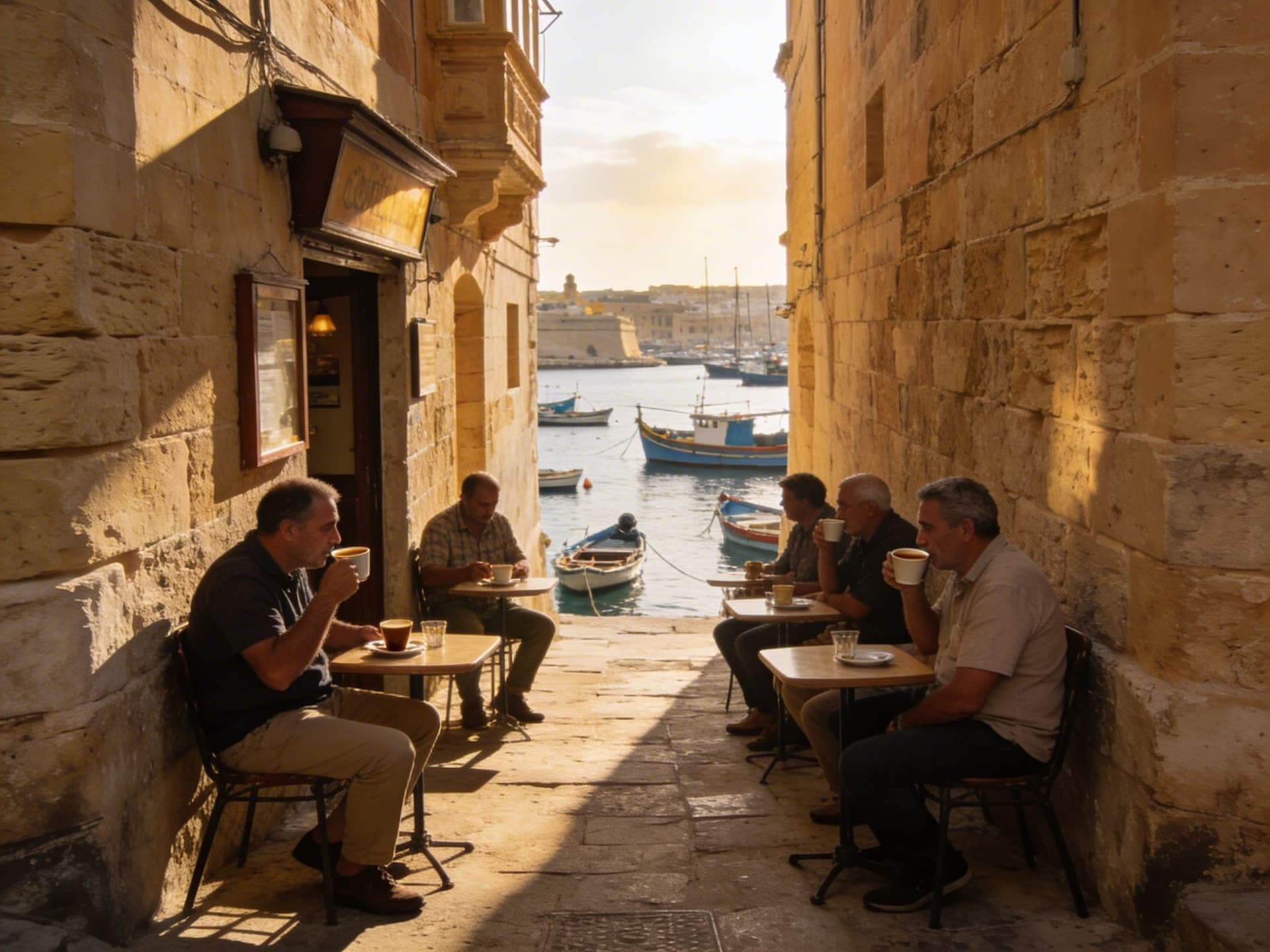
Life in Malta feels like a loop of short, vivid rituals: morning coffee at a corner caffe, a market run to Marsaxlokk on Sunday, an afternoon siesta or a swim at Għajn Tuffieħa, and evenings that spill into piazzas in Sliema or St Julian’s. English is an official language, so everyday errands and social life are straightforward for many internationals. But beneath this ease are micro‑choices — which street you choose, whether you prefer a maisonette's cool interiors or a modern apartment with a balcony — that change the pattern of daily life dramatically.
Valletta & The Three Cities: history that’s lived in
Valletta is not a museum — it’s a neighbourhood that wakes early and closes late. Walk the back lanes off Republic Street near St. Barbara Bastion and you find family-run bakeries, small grocers, and tenants who’ve lived here for generations. Across the Grand Harbour the Three Cities (Birgu, Senglea, Cospicua) trade monumental views for calmer streets and better value, where daily life centres on local cafés, fishermen’s markets and terraces that catch the evening breeze.
Sliema, Gzira & St Julian’s: social life on the promenade
If you want promenade mornings, rooftop aperitifs, and a mix of international restaurants, Sliema and St Julian’s are where that pulse lives. Gzira sits between them with a steadier, more local rhythm — small cafés, bookshops, and compact apartments with good light. For families, Pembroke and Ibrag offer quieter streets and parks. Beaches like Golden Bay and Mellieha are weekend rituals rather than daily fixtures for most islanders.
- Morning espresso in Valletta’s merchant quarter; Sunday fish market in Marsaxlokk; evening swim at St George’s Bay; rooftop aperitivo in Sliema; village festa in Dingli; coastal walk in the north at Għadira promenade.
Making the move: how lifestyle choices shape property choices
The romantic image rarely matches the transaction file. Malta’s market has been firm: official data show residential prices up in recent quarters, reflecting steady demand on a small island with limited land. That matters: every percentage move affects affordability, and the most desirable streets tighten faster. So pair your lifestyle brief (where you want to live, how you want to spend weekends) with a practical map of micro‑markets and recent price signals.
Property types and the life they allow
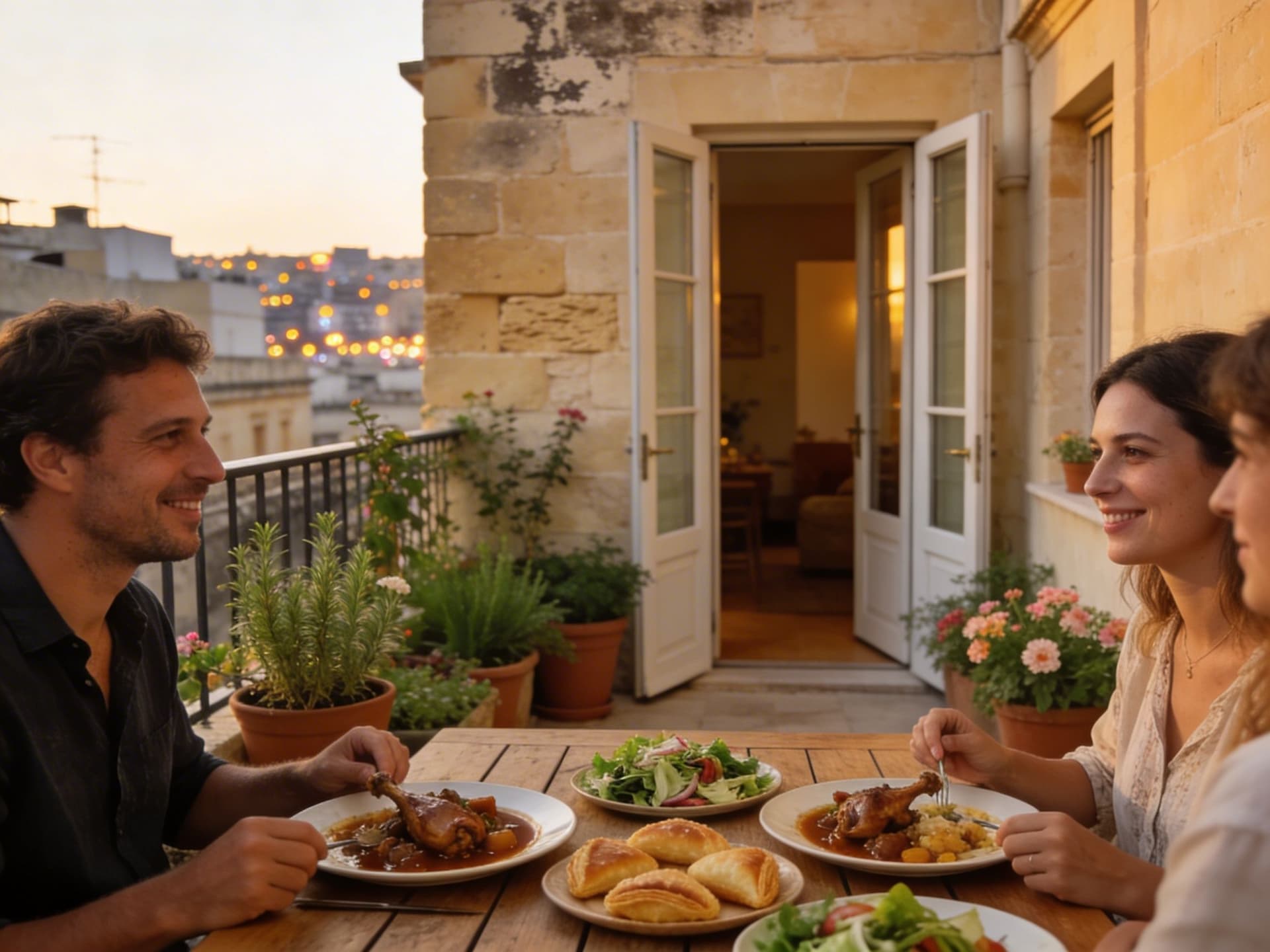
Maisonettes with internal courtyards are quiet, cool in summer, and perfect for slow mornings and indoor‑outdoor dinners. Apartments along the promenades trade square metres for views and social life; expect higher service charges and more transient neighbours. Traditional townhouses (houses of character) need careful inspection — great bones, but often hidden repair budgets. Your choice reshapes daily routines: balconies and terraces become living rooms in summer; storage and insulation matter for winter storms.
Work with agencies who know the island’s texture
Local agents are map-makers: they point you to streets that match your life, warn about seasonal nuisances, and explain building quirks. A good Maltese agent will show you not only square metres but where the morning sun falls, where delivery vans park, and which balconies catch the wind. Insist on agents who can evidence recent comparable deeds and who’ll introduce you to trusted surveyors and notaries.
- List documents and lifestyle checks to combine when viewing properties: 1) Recent deed comparables for the street and building; 2) Service‑charge and maintenance records; 3) A walkthrough at different times of day (noise, light, wind); 4) An assessment of storage and furniture fit for Mediterranean living; 5) A neighbourhood check for errands, cafés and public transport.
Insider knowledge: expats’ hard‑won truths
Expat life in Malta starts easy — English signage, friendly bureaucracy for day‑to‑day life — but some surprises wait. The high point is everyday sociability: neighbours bring over sweets, cafés know regulars by name, and festas animate summers. The low point is bureaucracy around property upgrades and occasional political noise, such as the end of Malta’s citizenship‑by‑investment programme, which has ripple effects on luxury demand and reputational capital.
Cultural integration and daily belonging
Learning a handful of Maltese phrases opens rooms and relationships. Attend a village festa, volunteer at a local market, join a sea‑swim group — these are the shortcuts to feeling at home. For families, international schools cluster near towns like St Julian’s; for remote workers, fibre and coworking spaces are expanding but check speeds and contracts before signing.
Longer term: expect steady demand and occasional policy shifts. Official stats show price growth in recent quarters; that keeps Malta attractive but also means patience and street‑level knowledge pay off. In practice, buyers who favour neighbourhoods off the main tourist spine — Gzira lanes, parts of the Three Cities, Pembroke pockets — often find better value without sacrificing lifestyle.
- Common expat mistakes to avoid: overpaying for views while ignoring service charges; skipping a mid‑day and evening viewing; assuming all “houses of character” are turnkey; relying only on online photos for layout; underestimating summer cooling needs.
Next steps if Malta feels like the life you want: settle on your three non‑negotiables (neighbourhood vibe, outdoor space, proximity to services), ask your agent for recent deeds on two nearby streets, and schedule viewings at two different times of day. We’ll introduce you to local surveyors and notaries who fast‑track the practical side so you can spend your time deciding which café will know your name.
Ashworth & DrakeDutch relocation advisor who moved to Marbella in 2016. Guides Dutch buyers through visa paths, relocation logistics, and balance of lifestyle with value.
Related Articles
More insights that might interest you
 Villa Curated
 Villa Curated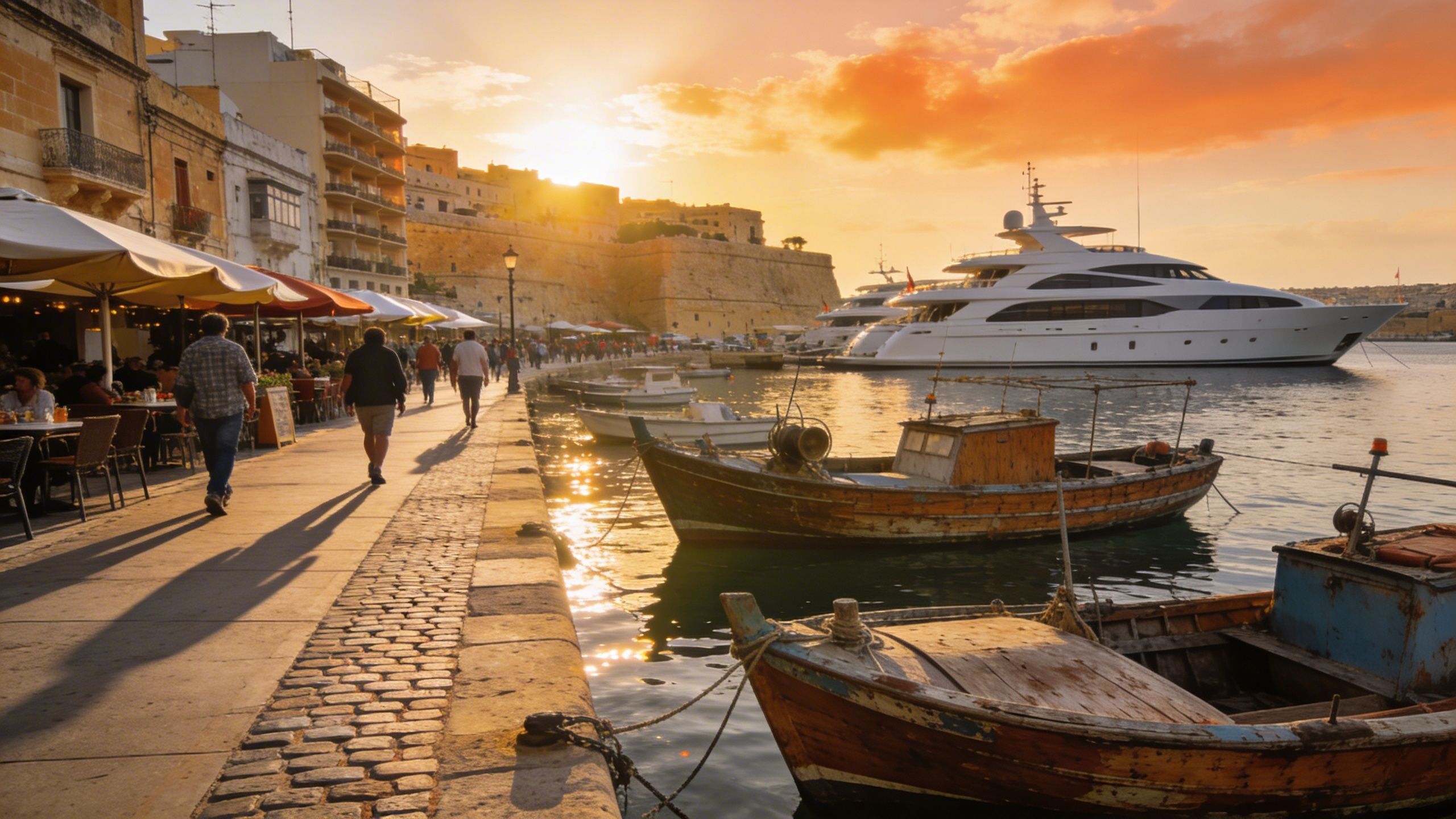
 The Yieldist

