Reciprocity & Stewardship: Buying Life (Not Just Property) in Croatia
Fall for Croatia’s daily rhythms — then check reciprocity, cadastre extracts and restoration permits to make the lifestyle yours with legal certainty.
 Villa Curated
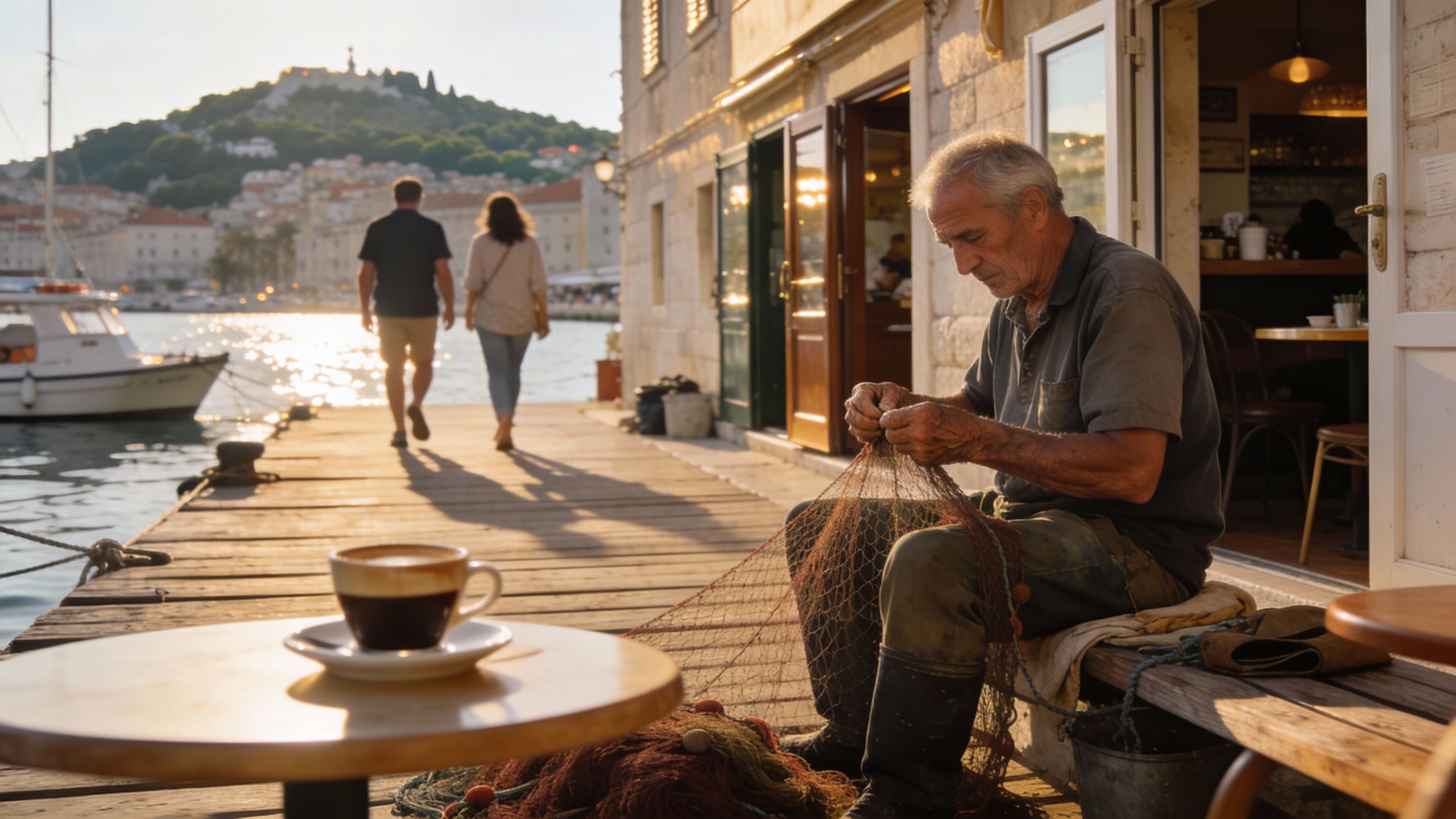
Imagine a Sunday morning in Split: espresso steam rising on Marmontova, fishermen repairing nets at the Riva, lavender-scented breezes from Marjan rising toward stone terraces. That sensory certainty is why buyers come to Croatia. Yet the ease of the scene can mask legal subtleties — reciprocity rules, municipal registers and rising price indices — that shape whether a purchase is graceful or frustrating. We begin with the life you buy, then bring the paperwork into view, so your first port of call is a neighborhood you actually want to live in.
Living the Croatian life
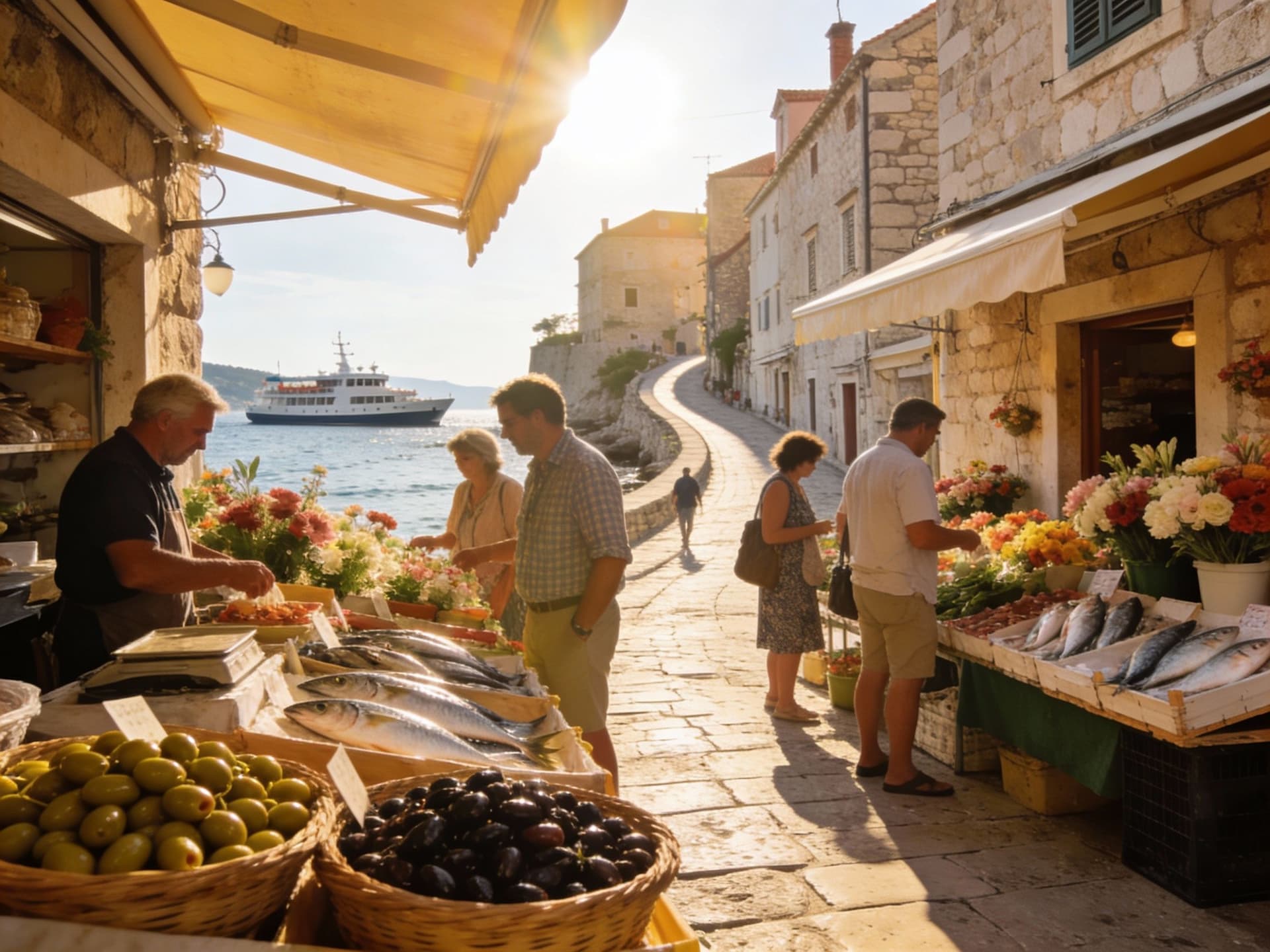
Croatia is a study in contrasts: baroque towns and austere karst hinterlands, Mediterranean light and continental winters in Istria’s hills. Daily life privileges ritual — long lunches, late-afternoon promenades, neighbourhood markets where produce and gossip travel hand in hand. For an international buyer, the appeal is both tactile and civic: piazzas that host summer concerts, harbours that cradle small working fleets, and village bakeries that set the pace for morning.
Zagreb, coast and islands — three temperaments
Zagreb offers layered urban life — Austro-Hungarian facades, narrow bookshops near Tkalčićeva and a calendar of classical concerts; Istria (Rovinj, Poreč) has truffle-inflected gastronomy and hilltop hill towns; Dalmatian islands (Hvar, Korčula, Vis) trade in light, sea air and staggered stone houses. Each demands a different property choice: an apartment with high ceilings in Gradec, a restored stone villa in Istria, or a seafront house set back from tourist arteries on Vis.
What matters on the ground
Practicalities that shape daily life are often subtle: orientation and sea breeze for summer comfort, stone‑masonry quality for low maintenance, walkability to markets and ferries for island life. Seasonality changes tone — Split is intimate in winter but busy in July; islands can feel near-idyllic outside August. Match property type to how you intend to use it: full‑time residence, seasonal retreat or long‑let investment.
- Mornings at Dolac Market (Zagreb) — breakfast, produce and neighbours
- Riva promenades in Split; late-afternoon light and cafe culture
- Truffle season in Motovun and Istrian tavernas — a slow, regional luxury
- Island ferries and local ports — connectivity shapes value more than beach frontage
Making the move: legal realities woven into lifestyle
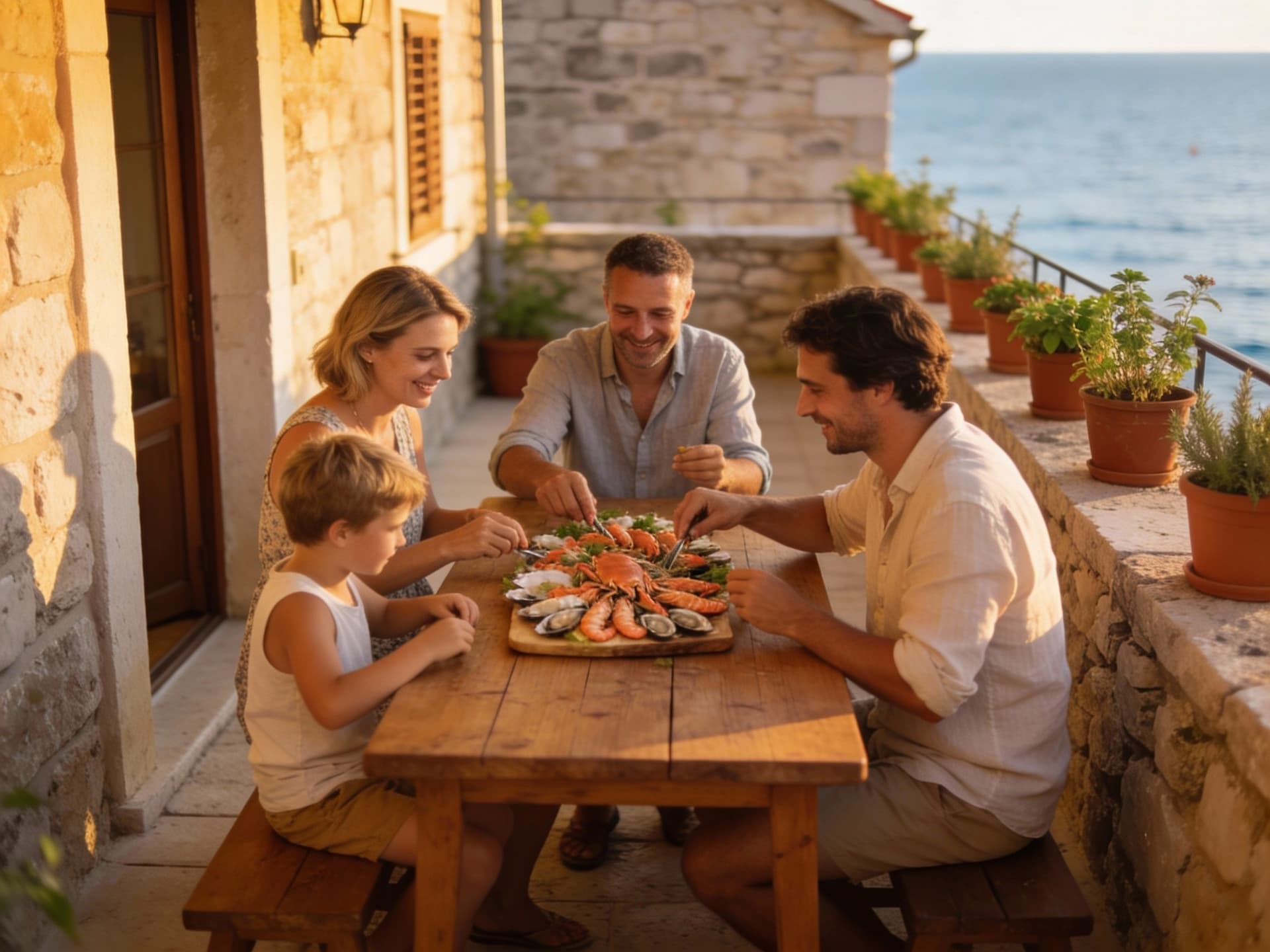
The romance of coastal terraces must be married to fact: Croatia’s house prices rose through 2024 and new dwelling prices averaged around €2,600/m² in late 2024, with coastal areas outpacing inland growth. For non‑EU citizens, reciprocity rules determine whether direct purchase is permitted; these are specific by country and administered by the Ministry. Understanding those constraints early avoids fruitless viewings and clarifies whether a structure — such as buying through a Croatian company or pursuing residence status — is necessary.
Property styles and what they offer
Stone houses with vaulted cellars offer thermal comfort and provenance but often require specialist restoration. New-build apartments provide lower maintenance and predictable finishes, yet may lack the patina that defines many Croatian homes. When seeking a lifestyle of quiet craftsmanship, prioritise original details — timber beams, stone thresholds, artisan tile — and ensure restorations have appropriate permits and conservation oversight.
Working with local experts who respect the life you want
A single conversation with a locally rooted lawyer and a surveyor will often save months of regret. Agencies that pair architectural sensibility with legal rigour — firms that know municipal cadastres, coastal setback rules and island ferry timetables — help you match a property’s character to everyday realities. Look for advisors fluent in English and experienced with cross‑border conveyancing and tax counsel.
- Steps that balance lifestyle and legality: obtain reciprocity confirmation (if needed); commission a land registry extract and cadastre survey; secure an N.O. from the Ministry where required; contract a notary and local lawyer; and arrange tax advice on residency and rental income.
Insider knowledge: what expats wish they’d known
Expats often underestimate how administrative rhythm shapes life here. Offices close for lunch; municipal timetables matter; ferry schedules dictate spontaneity. Market data shows coastal prices grew faster than inland, but transactions cooled recently as interest rates rose, which can create buying opportunities for those focused on quality rather than headline growth.
Cultural integration and everyday practicalities
Learning enough Croatian to read notices, greeting neighbours and handle basic bureaucracy changes perception: owners are treated differently when they attempt to enter local life. Join market mornings, volunteer at a coastal clean-up or attend a klapa concert; these small rituals connect you to community and ease practical processes like obtaining local certificates or permissions.
Long-term stewardship and hidden costs
Beyond purchase price, consider renovation conservancy standards, coastal setback requirements and annual property taxes. DZS figures for 2024 show notable increases in new dwelling prices, reminding buyers to budget for upgrades and local fees. For stone houses, specialist masonry and waterproofing for Adriatic exposure are recurrent expenses that, if ignored, erode value and comfort.
- Red flags to watch for: unclear cadastral titles; missing building permits for extensions; disputed access roads; irregular utility connections; and properties advertised without a land registry extract.
A practical checklist before signing
- Order a land registry extract; verify reciprocity or purchase route; commission a structural survey; obtain a written summary of local tax implications; confirm ferry and seasonal service schedules if on an island; and secure escrow arrangements through a notary.
If you prefer stewardship over speculation, invest time in a property’s fabric. A restored stone house with documented interventions, a ledger of works and retained artisan details will age with value. If rental yield matters, target well-connected coastal towns with consistent year‑round traffic rather than seasonal hotspots which can mislead yield expectations.
Conclusion — the life and the law
Picture evenings on a stone terrace tasting local olive oil and a day‑market bouquet on the kitchen table. Then take two practical steps: confirm whether reciprocity affects your nationality (the Ministry publishes a country list) and engage a local lawyer who understands both conservation and conveyancing. The right advisors transform a property purchase in Croatia from legal ritual into an enduring home.
Villa CuratedHaving moved from Stockholm to Marbella in 2018, I help Scandinavian buyers navigate Spanish property law, restoration quality, and value through authentic provenance.
Related Articles
More insights that might interest you
 Villa Curated
 Villa Curated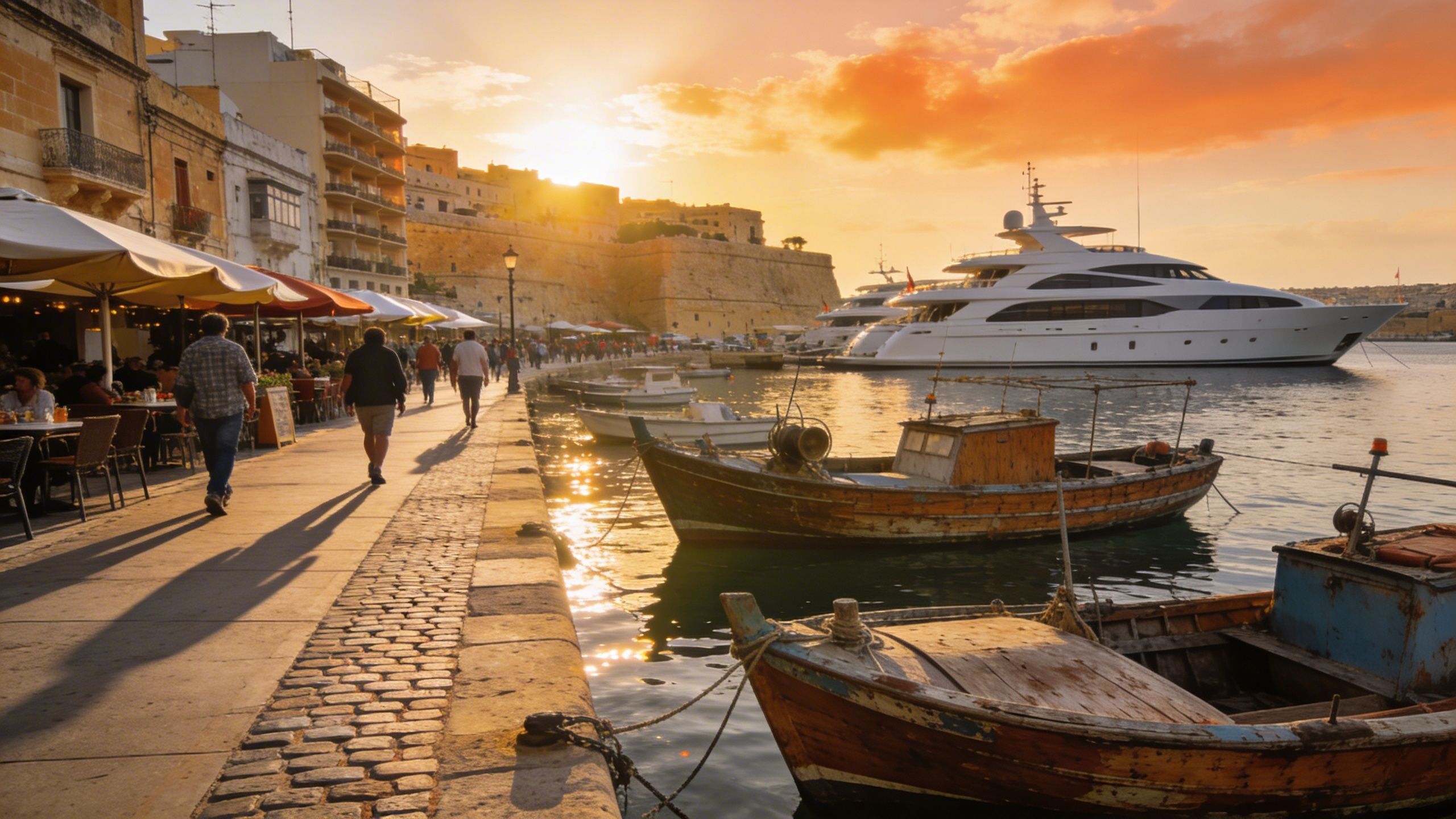
 The Yieldist


