
Insuring Cyprus: Title Risks and Practical Protections
Pair Cyprus’s seaside rhythms with practical protections: rebuild valuations, title indemnity, vacancy and rental endorsements to secure life on the island.
 Villa Curated
Imagine a late‑afternoon espresso in Limassol’s old port, the sea a pale sheet of pewter, bougainvillea dropping colour onto stone thresholds. Cyprus offers a rhythm of small civic pleasures — corner cafés, weekday fish markets in Larnaca, Sunday mezze that pull the neighbourhood together. Yet beneath that ease lie practical risks that quietly reshape ownership: delayed title deeds, rising rebuild costs and the insurance choices that determine whether a home remains a harbour or a liability. This guide pairs the sensory life of the island with the insurance and buyer‑protection tactics seasoned buyers use to keep that life secure.
Living Cyprus — light, streets and civic habits
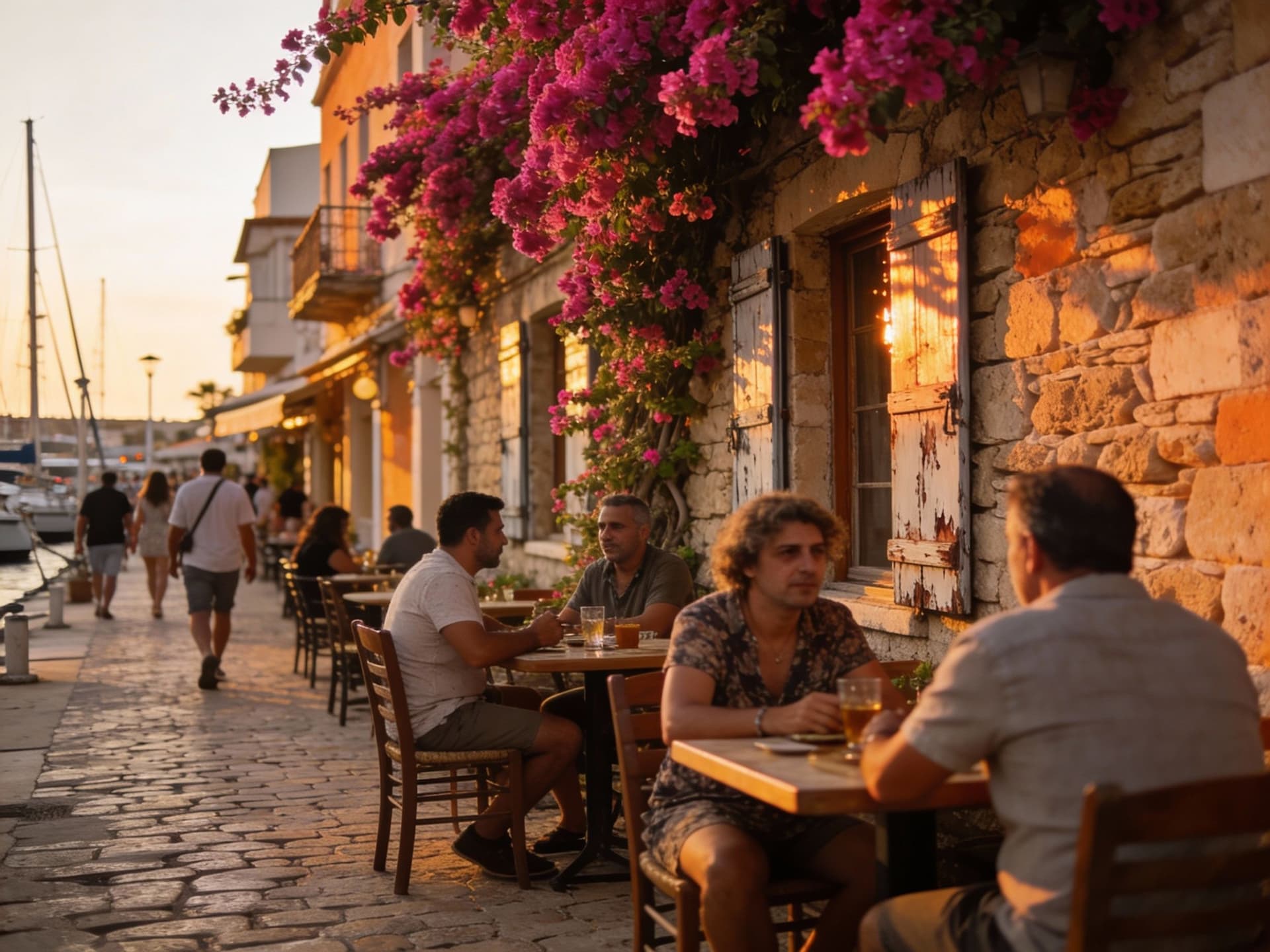
Stroll down Ermou Street in Nicosia at dawn and you meet the island’s tempo: slow commerce, deliberate conversation, hand‑made pastries and baristas who know your name. Coastal towns fold into a different day — early swims in Fig Tree Bay, late suppers in Paphos’ harbour. This texture matters when you buy: properties near active local life require different upkeep and coverages than secluded hillside villas, and your insurance should reflect how you intend to live there.
Neighbourhood portraits: Limassol, Paphos, Larnaca
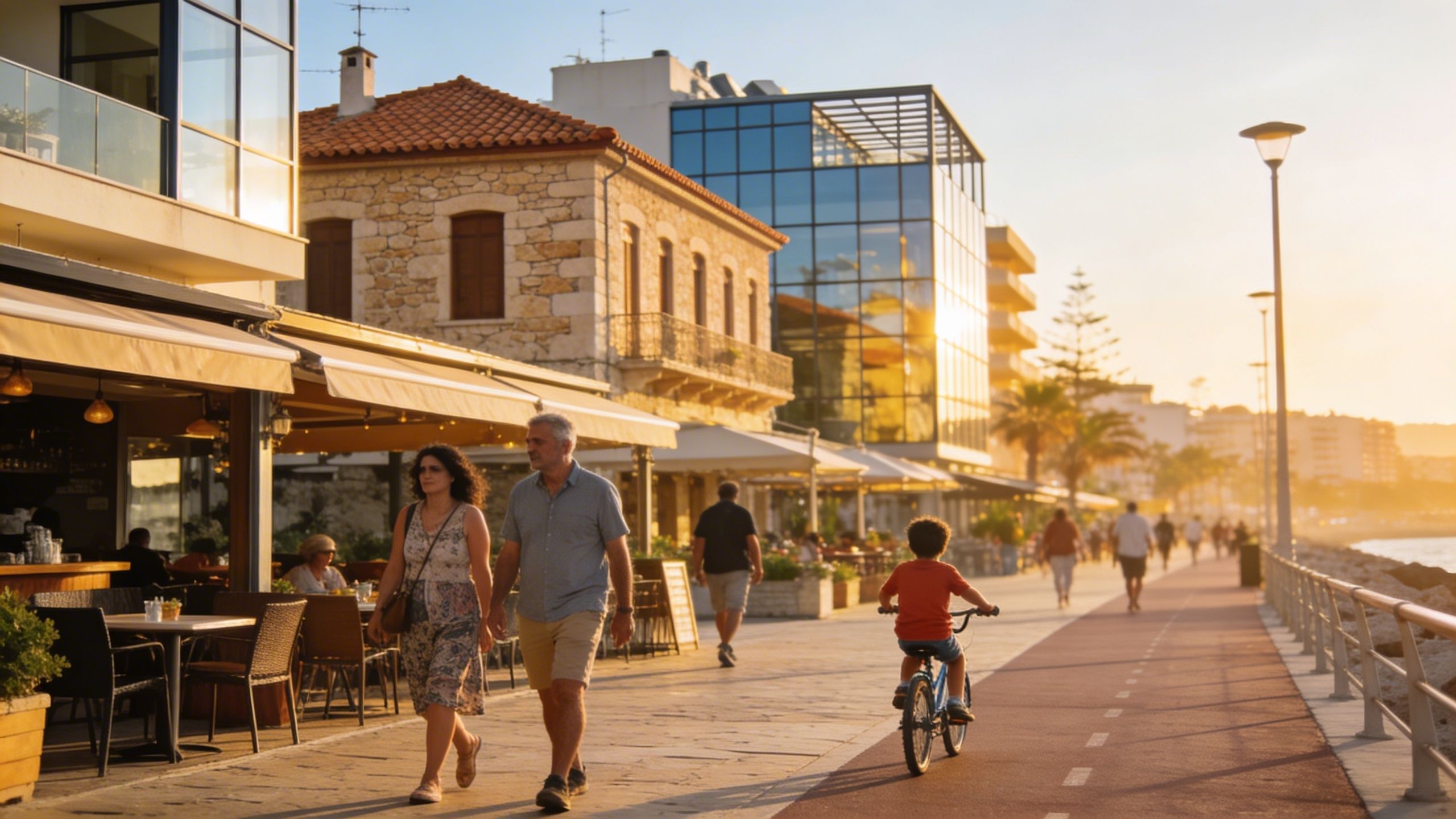
Limassol is cosmopolitan — marinas, contemporary apartments and boutique restaurants — so modern finishes and engineered façades are common; insurers will want precise rebuild sums for high‑end fittings. Paphos keeps a quieter, village‑to‑coast character where stonework and traditional courtyards predominate; look for policies that cover masonry restoration. Larnaca’s market mixes long‑term rentals and local families; liability cover is often the overlooked necessity here because properties are actively let and lived in.
Seasonality and daily life: what affects risk
Winter brings brief heavy rains and the occasional storm surge along low seafronts; summer presents a different hazard: empty properties during long absences and higher wildfire risk near pine slopes. These seasonal rhythms change the endorsements you need — vacant‑property cover, flood extensions, and wildfire‑adjacent exclusions are not academic; they are active determinants of claims and future premiums.
Market context: price momentum and why it matters for cover

Recent data show modest but persistent price growth across districts, with coastal centres attracting significant transaction value. As market values and construction costs rise, rebuild valuations diverge from market price — a distinction that matters when insurers calculate sums insured. Underinsuring on rebuild value is the single most common error owners make; it leaves a restored home always one claim away from financial distress.
Property types and their insurance footprints
A modern coastal apartment, a rebuilt stone farmhouse in the Troodos foothills, and a newly developed villa near a marina each present different exposures. Apartments need communal building cover and clear condominium governance; standalone villas need tailored flood, earthquake and wildfire endorsements; and holiday rentals require separate short‑let liability cover. Banks will insist on basic buildings insurance for mortgages, but that is rarely enough.
Practical checklist: cover you should insist upon
Begin with a rebuild estimate from a local surveyor, not the asking price. Add contents cover sized to replacement value, public liability at levels appropriate to how you use the home, and vacancy cover if the property will be unoccupied for months at a time. For heritage houses, include specialist craftsman cover; for coastal properties, add flood and storm extensions.
When deeds lag: legal risks and insurance responses
Cyprus has long grappled with buyers who possess a sales contract but not a registered title deed. While recent legislative moves aim to relieve many trapped buyers, the backlog and occasional encumbrances remain material concerns for purchasers. Title uncertainty alters risk profiles: lenders, insurers and buyers respond differently when legal ownership is unsettled.
How insurance and legal protections interact
Insurance cannot create title, but it can reduce exposure. Title indemnity policies, escrow arrangements, staged payment protections and contractual warranties from vendors form a layered defence. Ask whether insurers will accept a title indemnity policy where a deed is pending, and insist on contractual clauses that require vendors to clear encumbrances before final payment is released.
Buyer protections to negotiate (numbered steps)
- 1. Condition precedent: tie final payment to documented title transfer or court‑ordered clearance. 2. Escrow or blocked account: release funds in tranches tied to milestones. 3. Title indemnity policy: secure insurance against losses from defective title. 4. Vendor warranty: contractual guarantee for latent defects and planning irregularities. 5. Independent legal escrow check: instruct counsel to verify encumbrance removal before closing.
Working with local advisers who speak both law and lifestyle
A Cyprus lawyer who understands the cadence of local transactions and speaks English fluently is indispensable. Similarly, a broker with experience valuing rebuild costs and arranging specialised short‑let liability will save time and claims headaches. Seek advisers with references from international clients and a track record handling title‑deed irregularities.
Practical steps before you sign: on‑the-ground checks
- 1. Obtain a recent extract from the Department of Lands and Surveys to confirm encumbrances. 2. Commission a local surveyor for rebuild cost and boundary verification. 3. Request a copy of any planning permits and completion certificates. 4. Confirm with insurers whether holiday‑let use is permitted and what excesses apply. 5. Ask the seller for evidence of paid VAT or other developer obligations where applicable.
What expats wish they’d known: candid lessons
Expats often tell the same story: they fell in love with a courtyard, paid in good faith and then waited. Those who did best were the ones who planned for the wait — they arranged title indemnity cover, kept meticulous payment records, and used escrow arrangements. Others learned to value local acquaintances: a sympathetic notary, a trustworthy mason and a neighbourhood café owner who watches over the place in their absence.
Longer view: stewardship, inheritance and legacy
If you see a Cyprus home as a generational asset, plan for more than immediate risks. Consider legal structures that simplify future transfers, ensure your insurance covers specialist restorations and clarify succession rules with local counsel. Thoughtful stewardship preserves both fabric and value.
Conclusion: The island’s light is irresistible; the legal and insurance terrain is manageable. Marry a clear, sensory vision of day‑to‑day life with precise protections: rebuild valuations, title indemnity where needed, vacancy and rental endorsements, and contractual escrow. With the right advisers, a Cyprus purchase becomes an invitation to a new daily life rather than a gamble. When you are ready, engage a local lawyer and independent insurance broker who can translate island rhythm into documented protection.
Villa CuratedHaving moved from Stockholm to Marbella in 2018, I help Scandinavian buyers navigate Spanish property law, restoration quality, and value through authentic provenance.
Related Articles
More insights that might interest you
 Villa Curated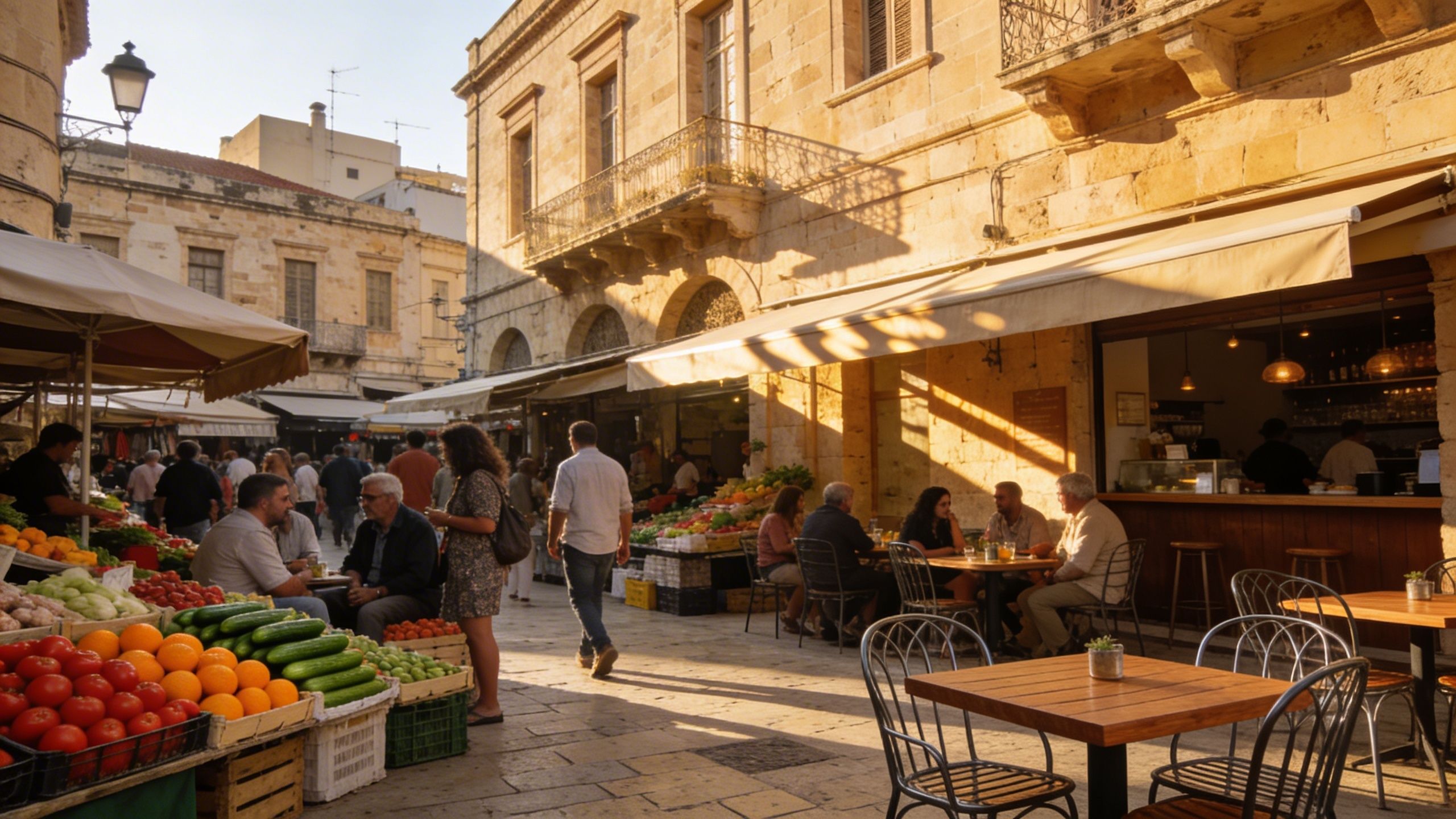
 Blueprintera
 Villa Curated