France neighbourhoods: vibes, connectivity & buying steps
Live where culture, coast and coworking collide: compare French neighbourhood vibes, connectivity, legal steps and nomad-friendly property tips backed by INSEE, Notaires and telecom data.
 MoveSettleGo
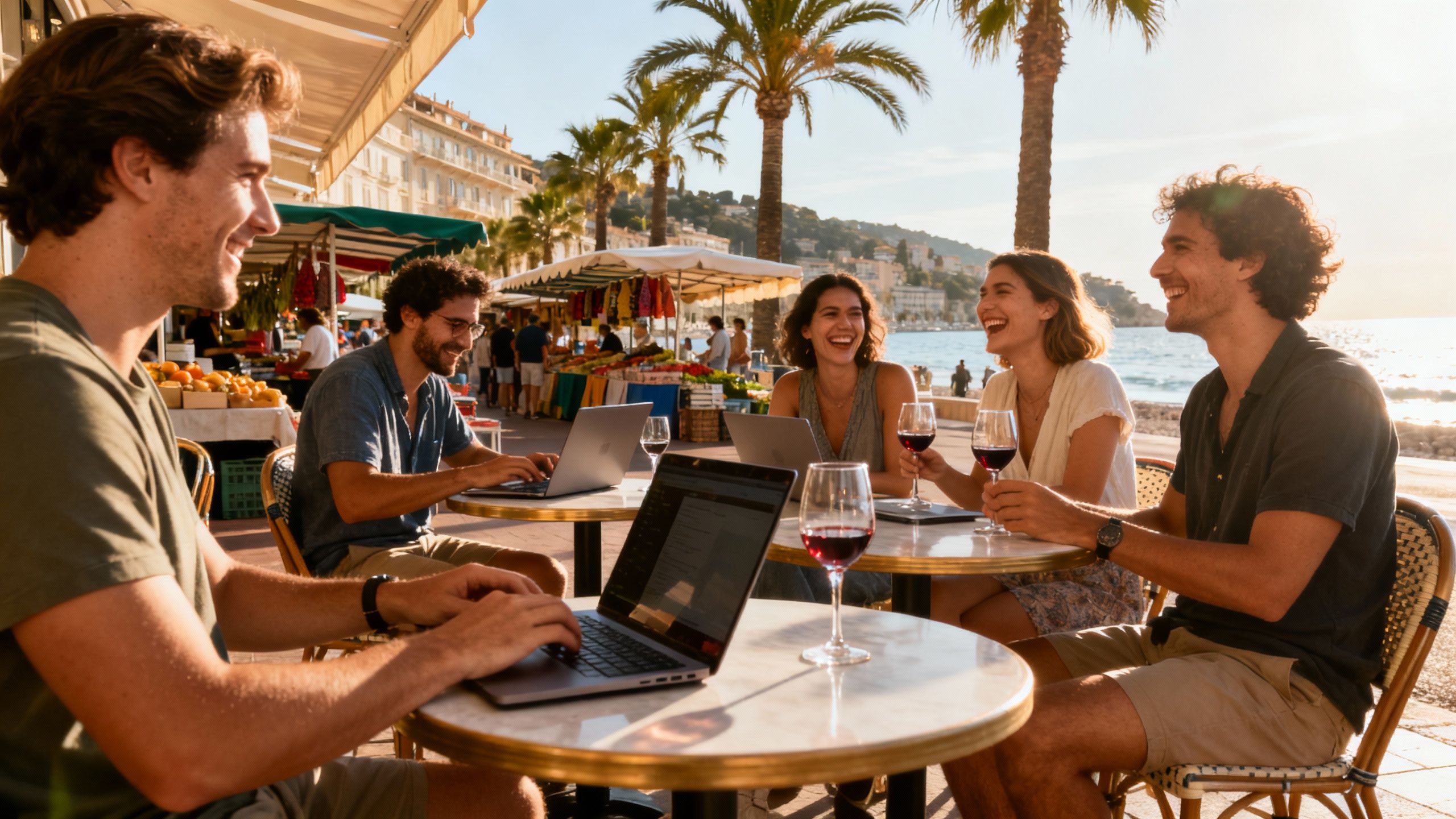
Imagine sipping morning espresso on a sun-warmed terrace in Nice, a laptop open, fast fibre humming beneath your fingers, and the Mediterranean breeze carrying the smell of baking bread. That scene — slow mornings, lively marché afternoons, and late dinners with friends — is how many digital nomads picture life in France. But the dream meets real choices: neighbourhood rhythm, reliable internet, local bureaucracy, and property market timing.
Living the French lifestyle — city cafés to coastal afternoons
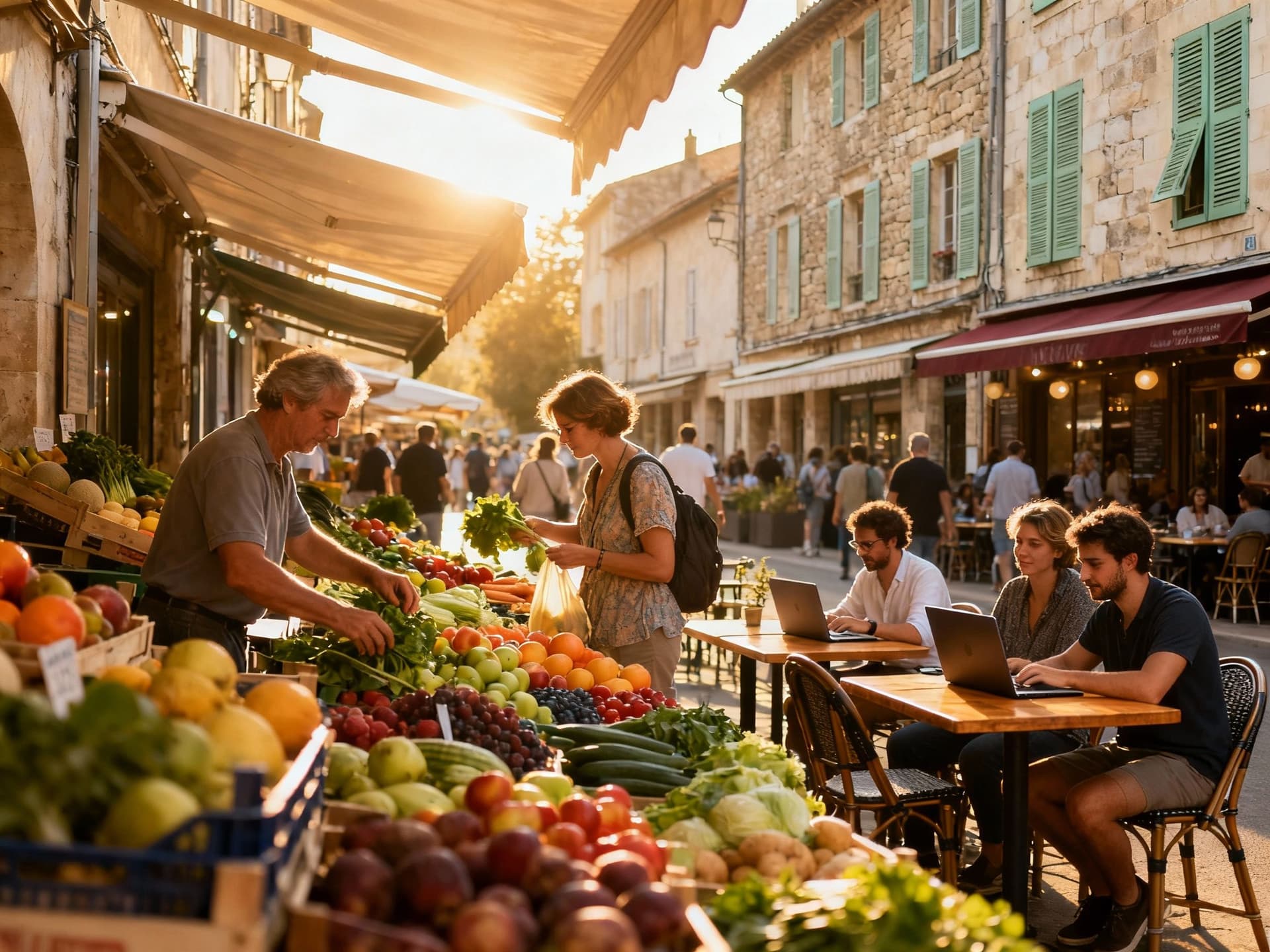
France is many lives at once: Parisian arrondissements pulsing with cafes and galleries, Lyon’s feasting streets and riverside runs, Bordeaux’s wine-country calm and coastal towns from Biarritz to Saint-Tropez where the day bends around the sea. Each place offers different rhythms for work and play — and different price tags and market behavior. Recent data shows the market stabilising then nudging up again in early 2025, so timing and location matter. (See INSEE and Notaires reports for regional detail.)
Paris & Île‑de‑France — the cultural heartbeat
Picture morning runs along the Seine, espresso counters that remember your order, and tiny terraces with ivy. Paris is unbeatable for culture, events and coworking density, but expect high prices and small footprints. In Q1 2025 house prices in metropolitan France returned to modest growth, and Paris-level demand still pushes prices and competition in central arrondissements. For nomads who crave buzz and networking, proximity to coworking hubs is worth paying for.
South: Provence, Côte d’Azur & Occitanie — sun, sea and slow afternoons
Imagine local markets piled with olives, lavender-scented lanes, and weekends at the beach or in hilltop villages. The south trades year-round tourism for sun-soaked living and larger terraces — great for remote work outdoors. But seasonal rental demand and local rules (short-term rental restrictions in some towns) affect yields and owner flexibility; region-specific notary data helps you compare prices per m² and seasonal market nuance.
- Lifestyle highlights: - Morning marché visits: Marché Forville (Cannes), Marché d’Aligre (Paris). - Cowork-friendly cafés and spaces: dozens across Paris, strong growth in Bordeaux and Lyon. - Weekend escapes: Provence lavender routes, Loire châteaux day trips. - Food pilgrimages: bistro lunches in Lyon, boulangeries in any town. - Beaches: Nice Promenade des Anglais, Biarritz surfing culture.
Making the move: practical considerations that match your lifestyle
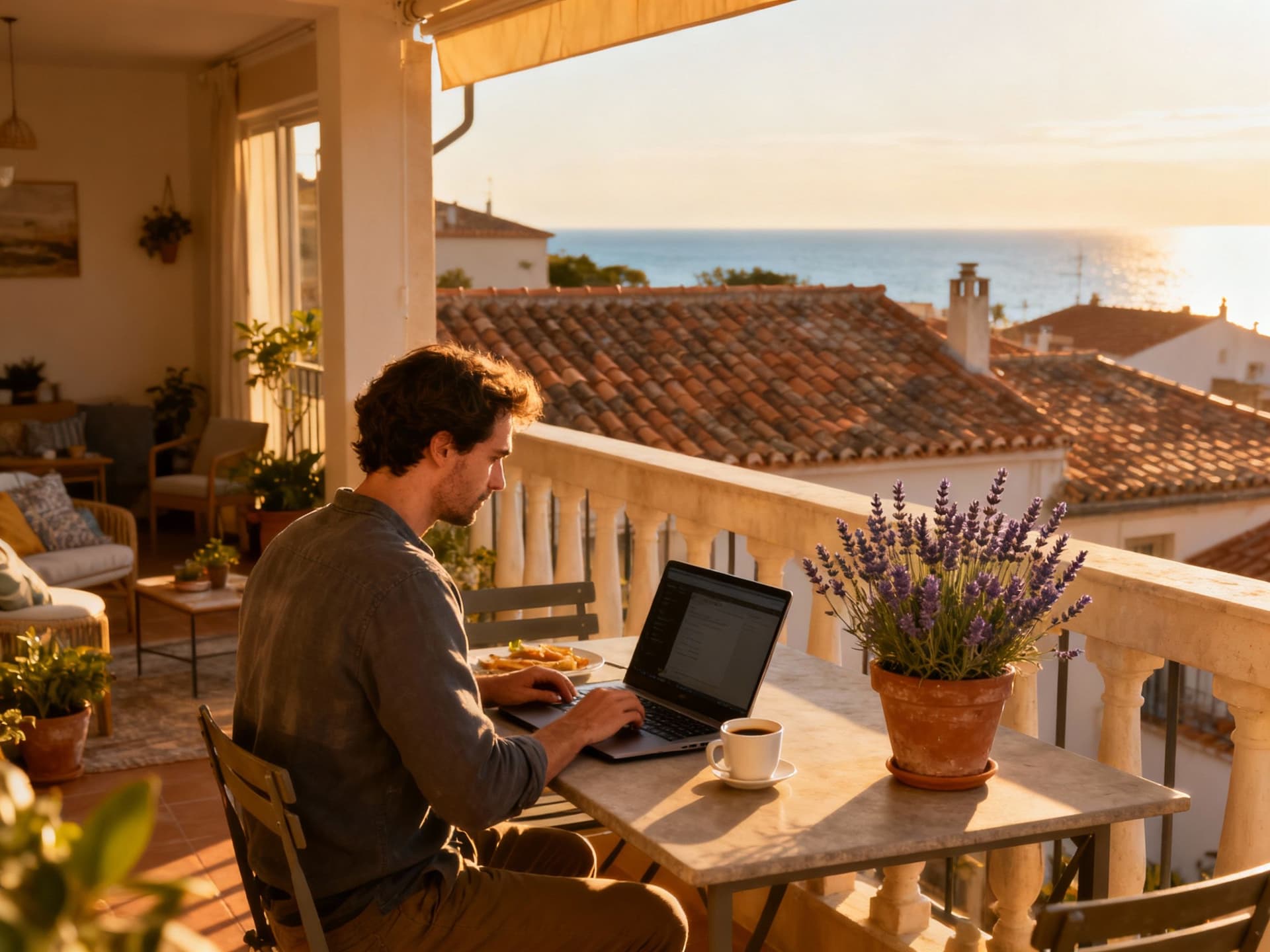
Dreams need infrastructure. Fast, stable internet and a quiet home workspace are non-negotiable for nomads. France’s fibre rollout is extensive but varies by town; operator reliability and installation times differ too. Check local fibre availability and ask agents for measured speeds at the specific address before signing. That simple step saves headaches when your team expects 4K video calls.
Property styles & how they shape daily life
From narrow Haussmann flats with high ceilings to sunlit Provençal houses with shutters and terraces, the property type determines how you live. Apartments in city centres mean walkable life and less maintenance; suburban maisons give space and gardens but require a car. Think: will you host meetups? Need a dedicated office nook? Prioritise layout, heating (old buildings can be chilly), and outdoor space for work breaks.
Working with local experts who get nomad needs
- Why an agency matters: local agents translate neighbourhood rhythm into liveability. They know where fibre is strong, which buildings allow short-term rentals, where international schools are, and which councils enforce tourist rental restrictions. Work with agents who have remote-worker experience and can arrange viewings timed for your timezone. Steps to vet agents: 1. Ask for recent references from international clients. 2. Request recorded speed tests for the exact address. 3. Confirm local utility and building charges. 4. Get clarity on French notary fees and timing.
Insider knowledge — what expats wish they'd known
Real talk: bureaucracy takes patience, and market windows can be region-specific. Prices were largely stable through late 2024 and showed early 2025 recovery, but that masks strong local differences. Expat buyers tell us: learn a few French phrases, bring calm to admin processes, and expect appointments with notaires and banks to be formal but fair. Prepare documents early (ID, proof of funds, tax records) to move quickly when you find the right place.
Cultural integration & community building
Make local friends at language exchanges, farmers’ markets, and coworking events. Smaller towns reward curiosity: learn to greet shopkeepers, join a pétanque game, or volunteer at local fêtes. For busy nomads, coworking meetups and local expat Facebook groups are quick wins for social life and practical tips.
Long-term lifestyle & ownership realities
Thinking beyond year one? Understand residency and tax implications early. France offers several visa routes for long stays and professional activities; check official government pages for eligibility and documentation. Also plan for property taxes, local council charges, and potential rental regulations. Agencies with legal partners can connect you to a bilingual notaire and a fiscal advisor to avoid surprises.
- Practical checklist before you buy: - Confirm local fibre or fixed broadband quality and provider reliability. - Review energy performance certificate (DPE) and heating costs. - Ask about copropriété (building) charges and recent works. - Check short-term rental rules if you plan to rent seasonally. - Get a cost estimate from a bilingual notaire for taxes/fees.
Picture yourself six months after the move: your favourite café barista knows your order, your neighbour brings a bottle of local wine, and your home office has a view that inspires. France offers a balance of rich daily culture and practical infrastructure — if you match the right neighbourhood to your work style and plan the buying steps with local experts.
MoveSettleGoDanish investor and relocation advisor focusing on Portugal and the Algarve; loves coworking culture and expat networks.
Related Articles
More insights that might interest you
 Villa Curated
 Villa Curated
 The Yieldist

