
Budget the Life: How French local costs reshape your buy
Fall for France, then budget smart: local transfer taxes, renovation, and seasonal costs reshape which neighbourhoods become realistic homes for nomads.
 MoveSettleGo
Imagine sipping a café crème on Rue Montorgueil, laptop open, the morning market delivering apricots and old men arguing about football — that image is the reason people fall for France. But dream first, budget second: prices, departmental transfer taxes and closing costs quietly reshape which neighbourhoods become realistic and which remain a fantasy.
Living the French life (and what it costs)
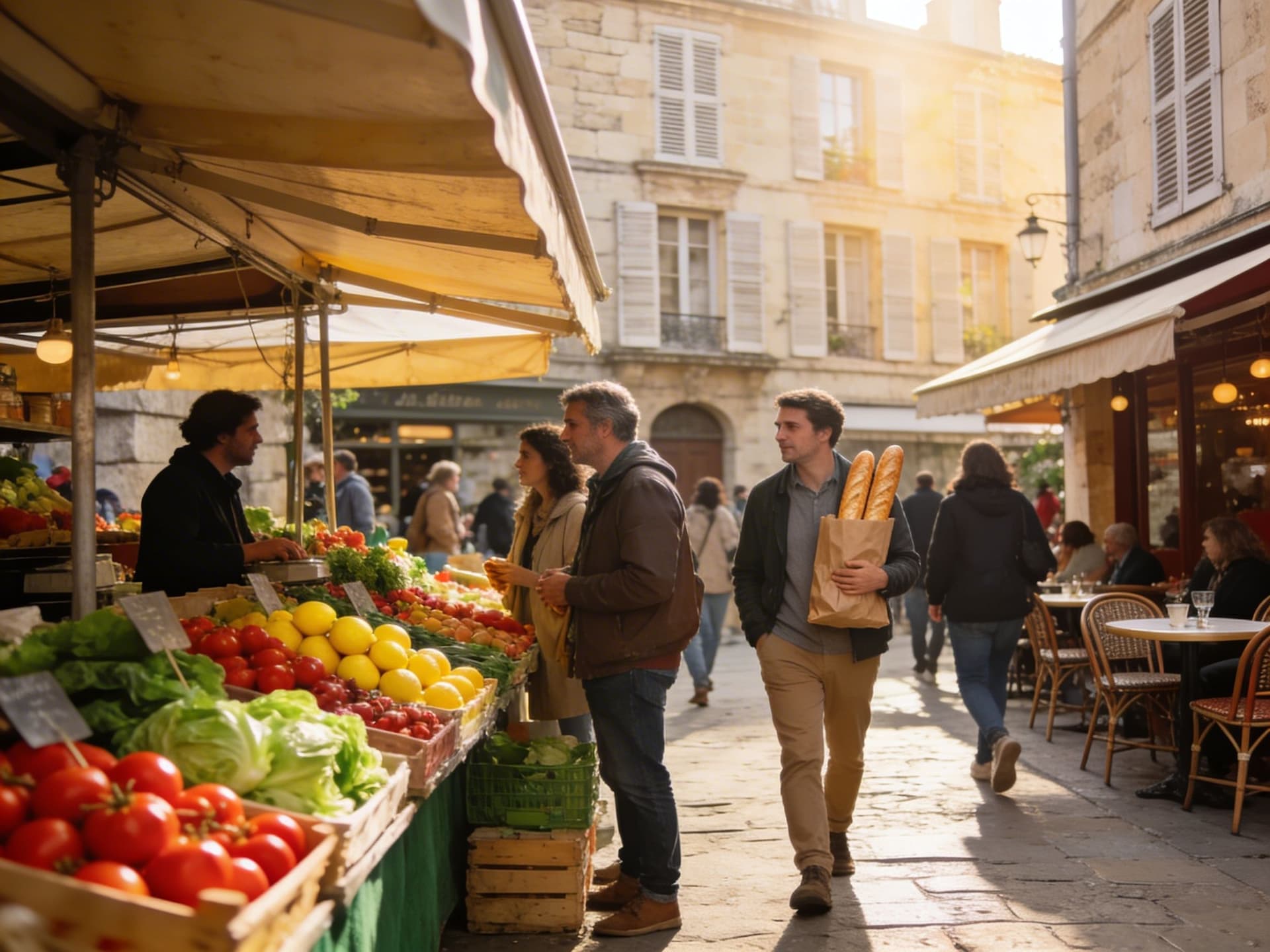
France is layered: Parisian arrondissements hum with boulangeries and museums, coastal towns breathe salt and festas, and Toulouse and Lyon blend food, students and a steady work cadence. Recent national data shows prices broadly stabilised after a multiyear shift, but that national trend hides big local differences — a reminder that lifestyle and budget must meet in the same postcode.
Paris, provincial cities, and the coast — different lives, different math
Paris still carries the romance — and the cost. At the same time, cities like Montpellier, Nice and parts of the Riviera show strong demand from foreign buyers who value sun and rental income. Inland, smaller towns can deliver square metres and gardens for a fraction of coastal prices, but with trade-offs in connectivity and coworking options.
Food, markets and rhythms that shape property choice
If weekend markets, boulangeries and a short walk to a lively café matter, you’ll prioritise central apartments over rural houses. Want a terrace for late-summer dinners and easy airport links? Look at Nantes, Biarritz, or Montpellier. These lifestyle choices directly affect maintenance costs, rental demand and renovation choices — and therefore the budget you must plan.
- Lifestyle highlights to budget for when buying in France: Marché mornings, terrace renovation, high-speed fibre, seasonal heating bills, short-term rental licences, departmental transfer-tax variation.
Making the move: practical money steps that keep the lifestyle intact

Dreams meet reality at the notary’s desk. Transfer taxes, notary emoluments and departmental choices can add a meaningful percentage to your purchase — and recent departmental rate changes mean the same €300,000 flat in different départements can cost you thousands more. Start with a realistic all-in number, not just the advertised sale price.
Property types and the true ongoing costs
Old stone apartments usually mean higher transfer duties and unpredictable renovation needs; new-builds often have lower registration costs but include VAT and developer timelines. Consider energy ratings too: a charming 19th‑century flat in Lyon can look cheap until you add insulation and heating upgrades to modern standards.
How local experts turn lifestyle goals into a budget
- 1. Start with a lifestyle wishlist (coworking, café life, commute) and translate each item into a cost (rent/price, renovation, monthly bills). 2. Ask a local notaire or agencia for a department-specific transfer-tax estimate — it matters. 3. Add 5–8% for older property closing costs, 2–3% for new builds and €800–€1,500 for disbursements and admin. 4. Factor in mortgage registration or lender guarantees if you’ll finance: budget extra 1–2% of the loan.
Insider knowledge: expat lessons that save time and euros
A few mistakes repeat: forgetting departmental tax variance, underestimating renovation needs, and assuming Paris rules apply everywhere. Expat buyers who budget in advance for heating upgrades, permit timelines and short‑term rental licensing avoid the worst surprises and keep their lifestyle vision intact.
Cultural and seasonal realities that change costs
Summer in coastal towns inflates short-term rental potential but also pushes up maintenance, insurance and seasonal staffing costs. In mountain areas, winter heating and access repair budgets matter. When you chase a seasonal lifestyle, build a two-year cash buffer to smooth out off-season reality.
- Red flags and quick checks before you bid: recent energy diagnostic (DPE), building co-ownership minutes (procès-verbal de copropriété), proof of permitted works, departmental tax rate for transfer duties, and fibre/internet availability.
If you want the life — markets at 8am, long lunches, weekend hikes — aim to buy where that life is daily, not where it’s packaged for tourists. A local agent who knows the cafés, the mairie, and the notaire will save you thousands and deliver the keys to the rhythm you fell in love with. Start by pinning three neighbourhoods, asking for total-cost estimates, and booking a local viewing week.
Conclusion: budget for the life you want. Build in departmental tax surprises, realistic renovation bills, and seasonal operating costs so the French life you imagine is the one you actually live. When you pair that budgeting discipline with local expertise, buying in France stops being a gamble and becomes the start of the everyday you dreamed of.
MoveSettleGoDutch investment strategist guiding buyers to Greece and Spain; practical financing, tax, and portfolio diversification.
Related Articles
More insights that might interest you
 Villa Curated
 Villa Curated
 The Yieldist

